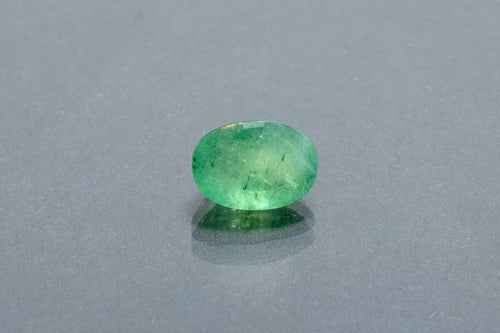


The safest way to clean an emerald gemstone is with lukewarm water, a few drops of mild soap, and a soft-bristled brush. Gently scrub the stone, rinse with clean water, and pat dry with a microfiber cloth. Never use ultrasonic cleaners, steam, or harsh chemicals — emeralds are oiled gemstones, and these methods can strip that treatment and damage the stone permanently.
Why Emerald Cleaning Is Not Like Cleaning Other Gemstones
Here's something most people don't realize: emeralds aren't just "green gemstones." They are Type III gemstones, which means they almost always contain natural internal inclusions — gemologists call this jardin (French for "garden"). These inclusions are part of what makes each emerald unique.
On top of that, the vast majority of natural emeralds on the market — including high-quality ones — are treated with cedar oil or resin to improve their clarity. This treatment is completely standard and disclosed by reputable sellers. But it's also why you cannot clean an emerald the same way you'd clean a diamond or sapphire.
Get the cleaning method wrong, and you risk stripping the oil treatment, making those inclusions much more visible, or in worst cases, causing micro-fractures. That's a mistake I've seen far too many people make.
Step-by-Step: How to Clean Emerald Gemstone at Home
This method is safe for natural emeralds, lab-grown emeralds, and emerald jewelry (rings, pendants, bracelets, earrings).
What You'll Need
| Item | Why You Need It |
|---|---|
| Small bowl | To hold cleaning solution |
| Lukewarm water | Warm (not hot) to loosen dirt without thermal shock |
| Mild dish soap (unscented) | Gentle enough to clean without stripping oil treatment |
| Soft toothbrush or baby brush | To reach behind settings without scratching |
| Microfiber cloth | Lint-free, scratch-free drying |
| Second bowl with clean water | For rinsing off soap |
The Cleaning Process (5 Simple Steps)
Step 1 — Wipe First Before soaking, gently wipe the surface of your emerald jewelry with a dry microfiber cloth. This removes any loose dirt or surface oils and prevents them from spreading during the wash.
Step 2 — Prepare Your Cleaning Solution Fill a bowl with lukewarm water and add 2–3 drops of mild, unscented dish soap. Stir gently. The water should feel comfortably warm on your wrist — not hot.
Step 3 — Soak Briefly (1–2 Minutes Max) Place your emerald jewelry in the solution. Don't leave it soaking for a long time. A 1–2 minute soak is enough to loosen accumulated oils and debris. Emeralds should never be soaked for extended periods.
Step 4 — Gentle Brushing Using your soft toothbrush, lightly scrub around the loose gemstone, the setting, and the back of the piece where dirt tends to hide. Use small circular motions. Work gently — the goal is to dislodge grime, not scrub it aggressively.
Step 5 — Rinse and Dry Transfer the piece to a second bowl filled with clean lukewarm water. Swish it around to remove all soap residue. Then gently pat dry with a clean microfiber cloth and allow it to air dry completely before storing or wearing.
Gemologist's Tip: Focus the brushing under and around the setting, not directly on the top surface of the emerald. The crown facets need less effort than the prongs and bezel.
What NOT to Use on Emeralds — Ever
This is equally important as knowing the right method. A lot of well-meaning people accidentally damage their emeralds using cleaning methods that work perfectly fine for other stones.
| What to Avoid | Why It's Harmful |
|---|---|
| Ultrasonic cleaner | Vibrations can worsen fractures and loosen settings |
| Steam cleaner | High heat expands inclusions and strips oil treatment |
| Bleach or ammonia | Dissolves cedar oil treatment; causes irreversible damage |
| Acetone / alcohol | Strips the oil treatment, worsens clarity |
| Toothpaste / baking soda | Abrasive — can scratch the stone and metal setting |
| Very hot water | Thermal shock can cause fracture in heavily included stones |
| Prolonged soaking | Softens or removes oil treatment over time |
How Often Should You Clean Your Emerald?
This depends on how often you wear it.
| Wearing Frequency | Recommended Cleaning |
|---|---|
| Daily wear (e.g., engagement ring) | Light wipe-down weekly; full clean every 4–6 weeks |
| Occasional wear | Full clean 3–4 times per year |
| Stored in jewelry box | Clean before storing and before next wear |
| After exposure to perfume/lotion | Wipe gently with microfiber cloth immediately |
One thing I always tell customers: don't wait until your emerald looks dull to clean it. Regular, gentle maintenance is far better than an aggressive rescue-clean every few months.
Everyday Emerald Care Tips
Cleaning is just one part of the equation. How you handle and wear your emerald day-to-day matters just as much.
- Put your emerald on last, take it off first - Perfumes, hairsprays, and lotions are some of the biggest enemies of emerald oil treatment. Always apply these products before putting on your emerald jewelry, and remove it before applying creams or sprays.
- Avoid wearing it during physical activities - Gardening, gym workouts, cleaning the house, swimming — these all expose your emerald to impact, chemicals, or abrasive surfaces. Emeralds rate 7.5–8 on the Mohs hardness scale, which means everyday dust particles (which contain quartz, rated 7) can scratch them over time.
- Take it off in the heat - Hot tubs, saunas, long hours in direct sunlight — heat is not your emerald's friend. As mentioned, most emeralds are oil-treated, and heat can gradually cause that oil to dry out or migrate, affecting the stone's clarity.
- Keep it away from household chemicals - Cleaning products, chlorinated pool water, and even some hand sanitizers contain chemicals that interact badly with both the oil treatment and the metal setting.
How to Store Emerald Gemstone Properly
Improper storage causes more damage to emeralds than most people realize. A few habits to build:
| Storage Tip | Detail |
|---|---|
| Store separately | Never keep emeralds loose with diamonds or sapphires — they'll scratch each other |
| Use a soft pouch or cloth | A fabric-lined compartment or individual pouch is ideal |
| Avoid extreme temperatures | Don't store near windowsills, car dashboards, or heating vents |
| Control humidity | Very dry environments can dry out the oil treatment over time |
| Keep in a closed jewelry box | Protects from dust, light exposure, and accidental knocks |
Re-Oiling Emeralds: What You Should Know
Since most natural emeralds are oil-treated, this treatment doesn't last forever. Over years of wear and cleaning, the oil can gradually diminish. When that happens, inclusions may become more visible and the stone may lose some of its vibrant clarity.
Re-oiling is a straightforward process done by a professional gemologist. It involves placing the stone in a vacuum chamber with cedar oil (or a resin substitute), which fills the surface-reaching fractures once again. The process is reversible and widely accepted in the gem trade.
If your emerald starts looking less vibrant despite regular cleaning, re-oiling might be all it needs — not a replacement.

Frequently Asked Questions
Q1. Can I use jewelry cleaner spray on my emerald?
Most commercial jewelry cleaners contain chemicals like ammonia or alcohol that are harmful to emerald's oil treatment. Unless the product specifically states it's safe for oiled or treated gemstones, avoid it. Mild soap and water is always the safer choice.
Q2. Can I clean my emerald ring with toothpaste?
No. Toothpaste is mildly abrasive and can leave fine scratches on both the stone and the metal setting. It should never be used on emeralds.
Q3. Is it safe to clean emerald jewelry with baking soda?
No. Baking soda is an abrasive powder. Even though it's natural, it can scratch the surface of your emerald and damage the finish on metal settings.
Q4. Can emerald get wet?
Brief contact with water is fine. However, prolonged soaking or regular exposure to tap water (especially if it's chlorinated or hard water) is not recommended. Always dry your emerald promptly after any contact with water.
Q5. How do I know if my emerald needs re-oiling?
If your emerald looks noticeably less clear or vibrant than when you bought it, despite regular cleaning, it may need re-oiling. Take it to a trusted gemologist for assessment.
Q6. Can I clean emerald gemstone with rubbing alcohol?
No. Alcohol dissolves the oil treatment in emeralds and should be completely avoided.
Q7. Is warm water safe for emeralds?
Lukewarm water is perfectly safe. The key word is lukewarm — not hot. Hot water causes thermal shock, which can crack or fracture emeralds, especially those with significant inclusions.
Q8. Can I wear my emerald ring every day?
Yes, with care. Emeralds are durable enough for daily wear, but they need more attention than diamonds or sapphires. Daily wiping, careful storage, and avoiding physical activities while wearing it will keep it looking beautiful long-term.