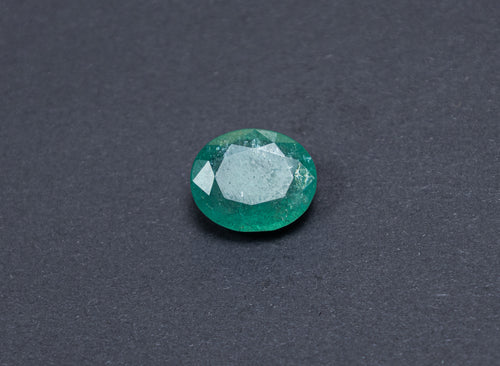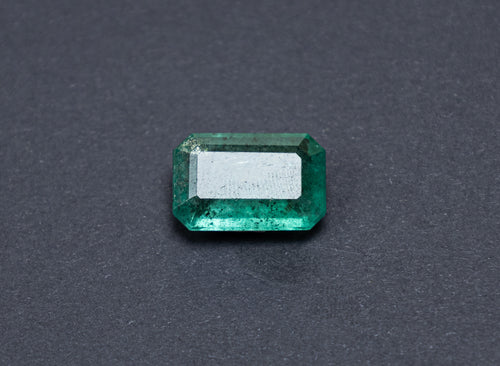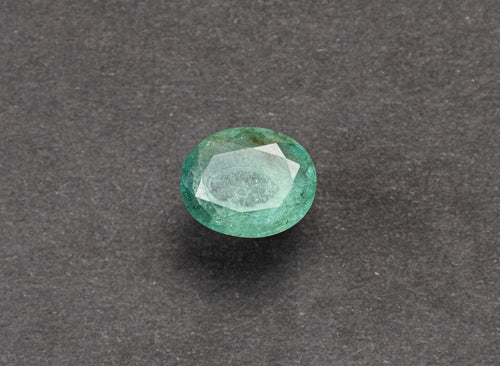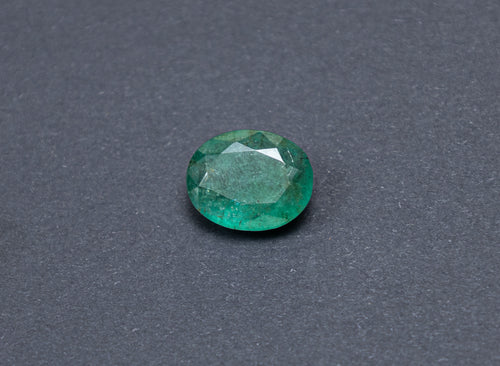


Emeralds are primarily classified by their place of origin, since where a stone is mined has a direct impact on its colour, clarity, and value. The main types include Colombian, Zambian, Brazilian, Afghan (Panjshir), and Indian emeralds, along with rarer varieties like the Trapiche emerald and lab-created emeralds.
Colombian remains the most prized for its deep, vivid green, while Zambian and Brazilian offer strong quality at more accessible prices — so the "best" type really depends on your budget and what you're buying the stone for. Let's go through each type properly so you know exactly what you're choosing between.
Types of Emerald Gemstone
1. Colombian Emerald: The Benchmark for Quality
Colombian emeralds are widely regarded as the finest in the world, and Colombia alone supplies roughly 70 to 90% of the global emerald market. Mined primarily from the Muzo and Chivor regions, these stones are known for a rich, leafy green colour with excellent saturation, which is why gem dealers often use "Colombian" as the informal benchmark against which other origins are compared. This reputation comes at a price — Colombian emeralds typically sell at a premium over other origins, especially in larger, high-clarity sizes.
2. Zambian Emerald: A Strong, More Affordable Alternative
Zambia has become one of the most significant emerald producers since large-scale mining began in the region, and Zambian emeralds have earned a solid reputation of their own. They typically show a deeper green with a subtle bluish undertone, caused by higher iron content in the crystal structure, and are often noted for having comparatively fewer visible inclusions than Colombian stones.
Zambian emeralds are generally priced lower than Colombian ones, making them a popular choice for buyers who want strong quality without the Colombian price tag — including for astrological purposes.
3. Brazilian Emerald: Lighter, Cleaner, and Budget-Friendly
Brazil has been producing emeralds since the 1920s, with the Nova Era and Minas Gerais regions among its most notable sources. Brazilian emeralds tend to be lighter in tone and more transparent compared to their Colombian and Zambian counterparts, and they're frequently found in larger sizes.
While they generally lack the deep saturation prized in Colombian stones, their brighter, cleaner appearance and more accessible pricing make them a practical option for everyday jewellery.
4. Afghan (Panjshir) Emerald: Rare and Rising in Popularity
Emeralds from the Panjshir Valley in Afghanistan are prized for their rich green colour and good clarity, often drawing comparisons to fine Colombian stones. They remain relatively rare in the global market, but interest in Panjshir emeralds has been growing steadily, particularly among collectors looking for something distinct from the more commonly available origins.
5. Indian Emerald (Panna): Valued for Astrological Significance
India isn't a major emerald mining source today, but it holds a special place in emerald history and remains one of the world's leading emerald-cutting centres. Indian emeralds — referred to as Panna — carry particular importance in Vedic astrology, where the gemstone is associated with Mercury and prescribed for mental clarity, communication, and business success.
For buyers purchasing specifically for astrological remedies, the stone's certification and quality matter far more than mining origin, since most "Indian Panna" sold today is cut and certified in India but mined elsewhere, typically Zambia or Colombia.
6. Trapiche Emerald: The Rare Star-Patterned Variety
Beyond origin-based types, one variety stands out for its unusual internal structure rather than where it's mined. The Trapiche emerald displays a striking six-pointed, star-like pattern caused by carbon impurities trapped during crystal growth, most famously found in parts of Colombia. Because this pattern is so distinctive and relatively rare, Trapiche emeralds are highly sought after by collectors, even though their clarity and colour don't always match top-grade standard emeralds.
Origin Comparison at a Glance
| Origin | Typical Colour | Clarity Tendency | Relative Price |
|---|---|---|---|
| Colombian | Deep, vivid, leafy green | Moderate inclusions, prized despite them | Highest |
| Zambian | Deep green with bluish undertone | Comparatively clearer | Moderate |
| Brazilian | Lighter, brighter green | Cleaner, more transparent | More affordable |
| Afghan (Panjshir) | Rich green, close to Colombian | Good clarity | Moderate to high |
| Indian (Panna) | Varies, since often re-sourced and cut locally | Depends on original mining source | Varies by certification |
Natural vs Lab-Created Emerald
It's also worth distinguishing between natural emeralds and their lab-grown counterparts, since both are technically "types" you'll encounter while shopping. Lab-created emeralds share the same chemical composition as natural stones but are grown in a controlled environment, resulting in noticeably fewer inclusions and a lower price. For fashion jewellery, they're a perfectly reasonable choice — but for astrological purposes, natural, untreated emeralds are considered essential, since lab-created stones aren't believed to carry the same planetary significance in Vedic tradition.
Final Thoughts
Emerald isn't a single, uniform gemstone — it's a family of stones shaped by where they're mined, each with its own colour character, clarity tendencies, and price point. Colombian remains the gold standard, Zambian and Brazilian offer excellent value, and rarer types like Trapiche and Panjshir appeal to collectors looking for something different. Whatever type you choose, a certificate confirming natural origin and treatment status remains the most reliable way to know exactly what you're buying.

FAQs
Q1. What are the main types of emerald gemstones?
The main types of emerald are classified by origin, including Colombian, Zambian, Brazilian, Afghan (Panjshir), and Indian (Panna), along with rarer varieties like the Trapiche emerald.
Q2. Which type of emerald is considered the best?
Colombian emerald is widely considered the finest due to its deep, vivid green colour, though Zambian and Brazilian emeralds offer excellent quality at more affordable prices.
Q3. What is the difference between Colombian and Zambian emerald?
Colombian emeralds are known for their deep, leafy green colour, while Zambian emeralds typically show a bluish-green undertone and tend to have fewer visible inclusions.
Q4. What is a Trapiche emerald?
A Trapiche emerald is a rare variety featuring a distinctive six-pointed star pattern caused by carbon impurities during crystal growth, most commonly found in Colombia.
Q5. Is Indian Panna the same as Colombian or Zambian emerald?
Indian Panna typically refers to emeralds cut and certified in India for astrological use, though the rough stones are usually sourced from mining regions like Zambia or Colombia, since India isn't a major emerald mining source.
Q6. Are lab-created emeralds a genuine type of emerald?
Lab-created emeralds share the same chemical composition as natural emeralds, but they're grown in a controlled environment and are not considered suitable for astrological purposes in Vedic tradition.
Q7. Which type of emerald is best for astrological purposes?
For astrological use, a natural, untreated, and properly certified emerald matters more than its specific mining origin, since certification confirms authenticity and purity.