

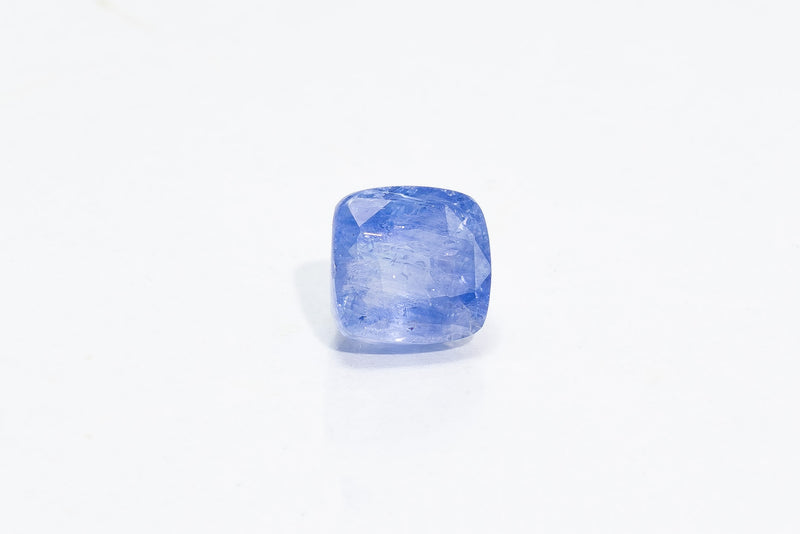
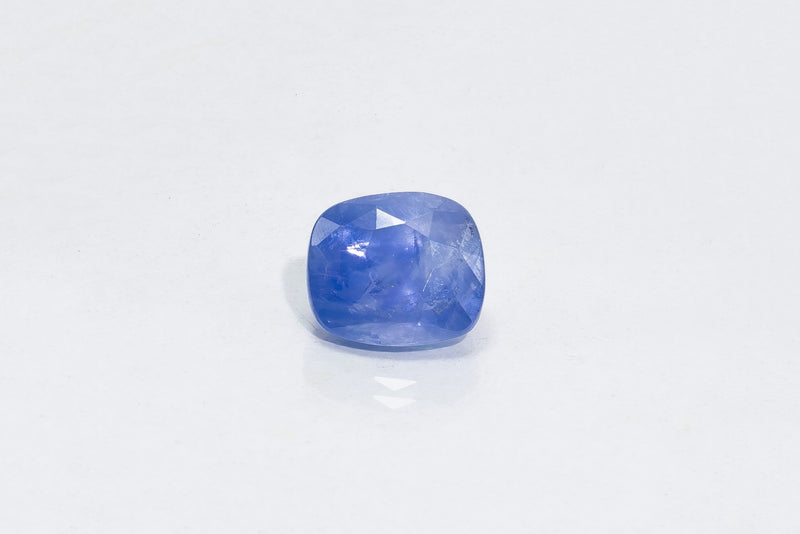
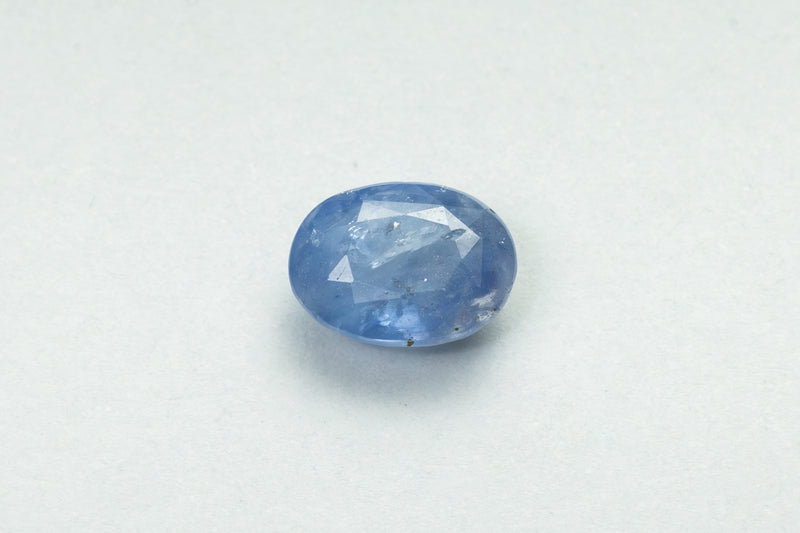
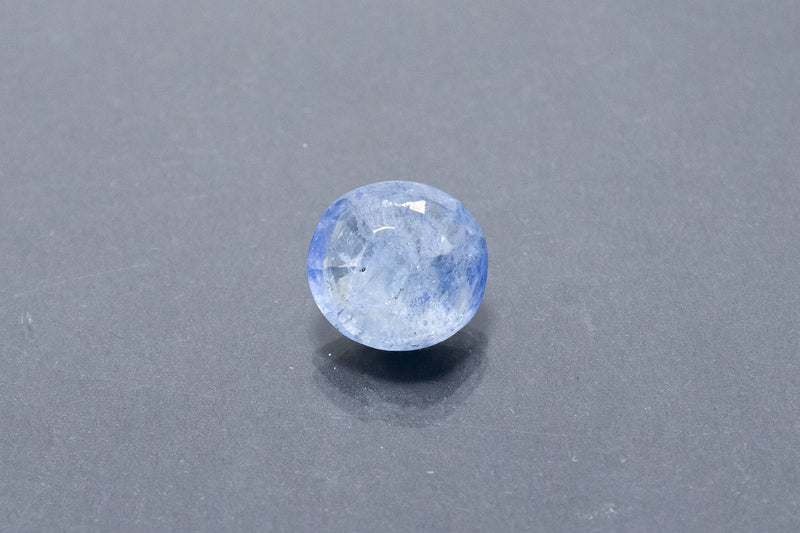
Blue Sapphire (Neelam)
Blue Sapphire, also known as Neelam, is renowned for its deep blue colour and exceptional brilliance. Traditionally associated with Saturn, it is considered a significant Vedic gemstone.
Discipline & Focus | Career Growth | Stability | Success

Blue Sapphire (Neelam)
Blue Sapphire, also known as Neelam, is renowned for its deep blue colour and exceptional brilliance. Traditionally associated with Saturn, it is considered a significant Vedic gemstone.
Discipline & Focus | Career Growth | Stability | Success
Govt. Lab Certified
IGI / IEGL Certificate (Options Available)
Free Energization
Vedic mantra se energized
100% Money-Back
If found treated, double refund
Insured Delivery
Free shipping, 2-4 days pan-India
 20% OFF
 20% OFF
 20% OFF
 20% OFF
 20% OFF
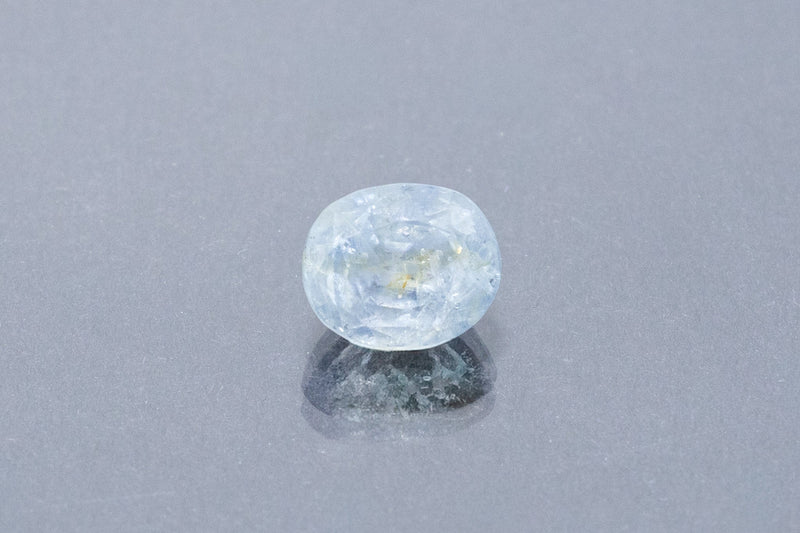 20% OFF
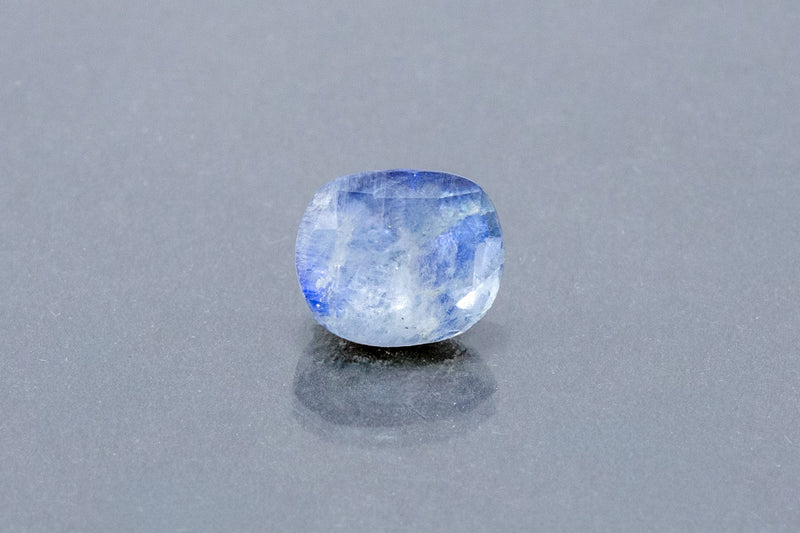 20% OFF
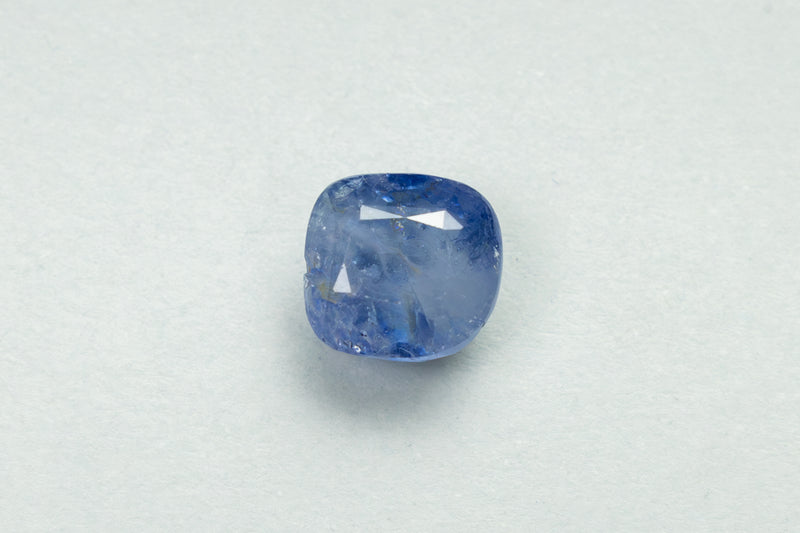 20% OFF
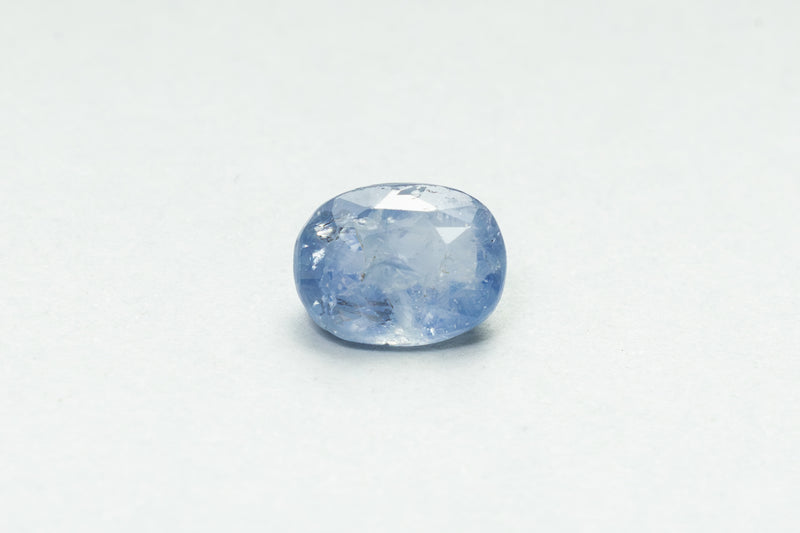 20% OFF
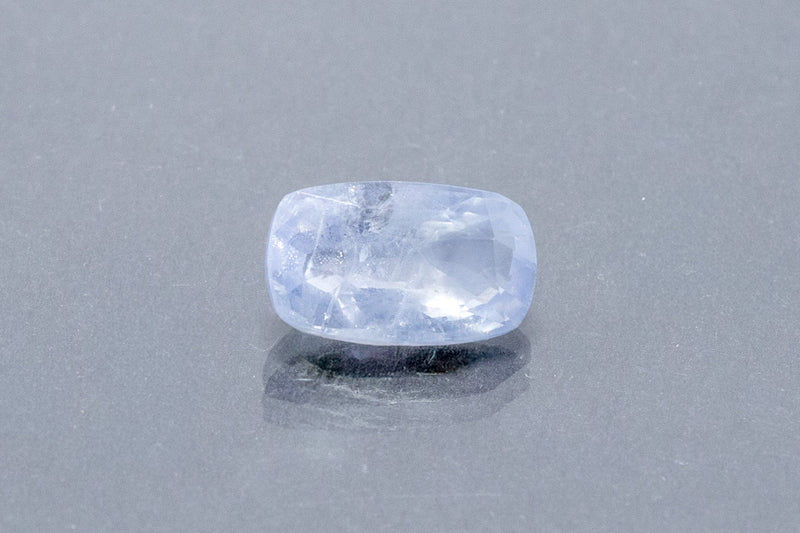 20% OFF
 20% OFF
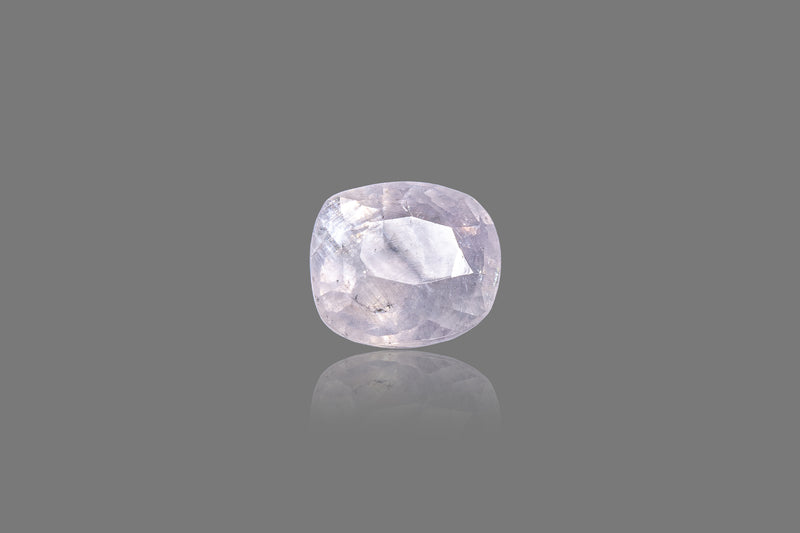 12% OFF
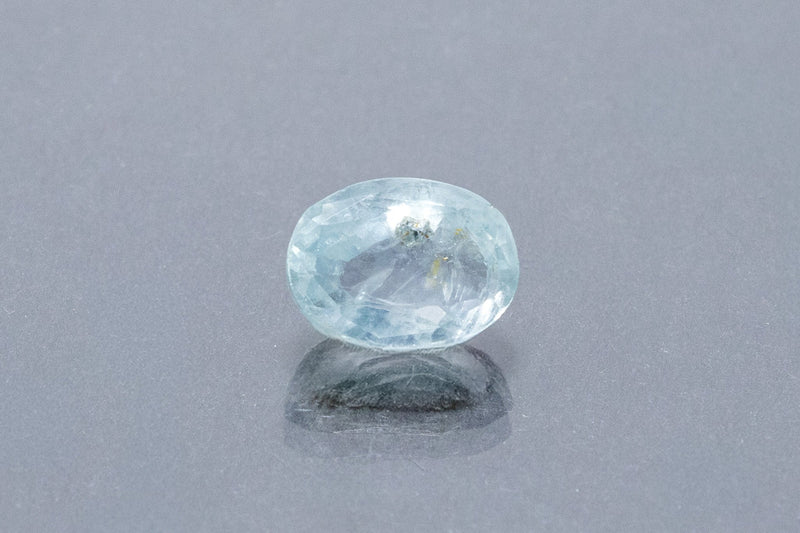 20% OFF
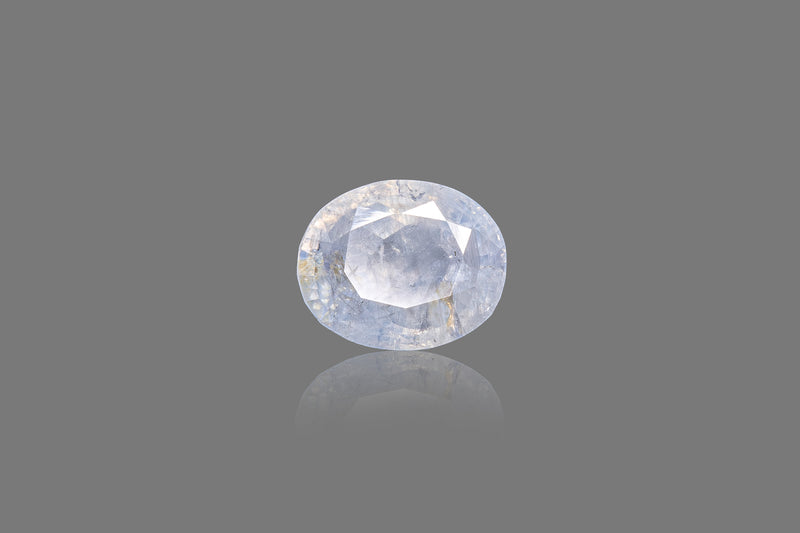 14% OFF
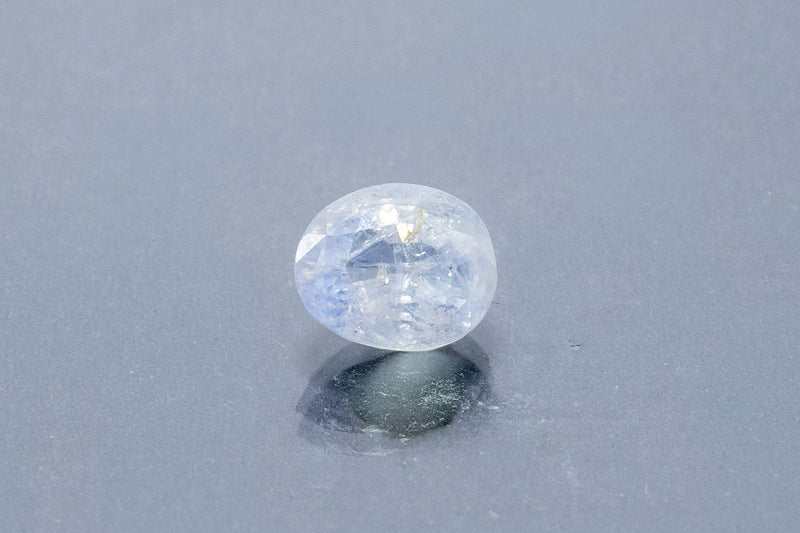 20% OFF
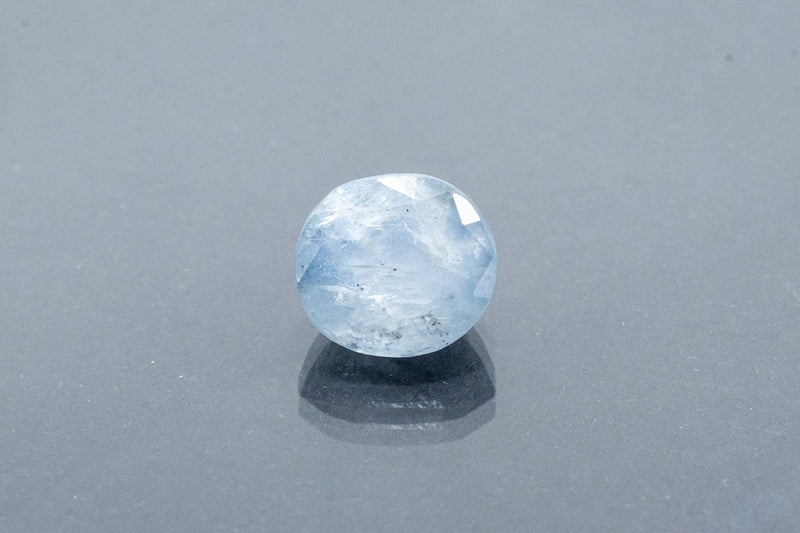 20% OFF
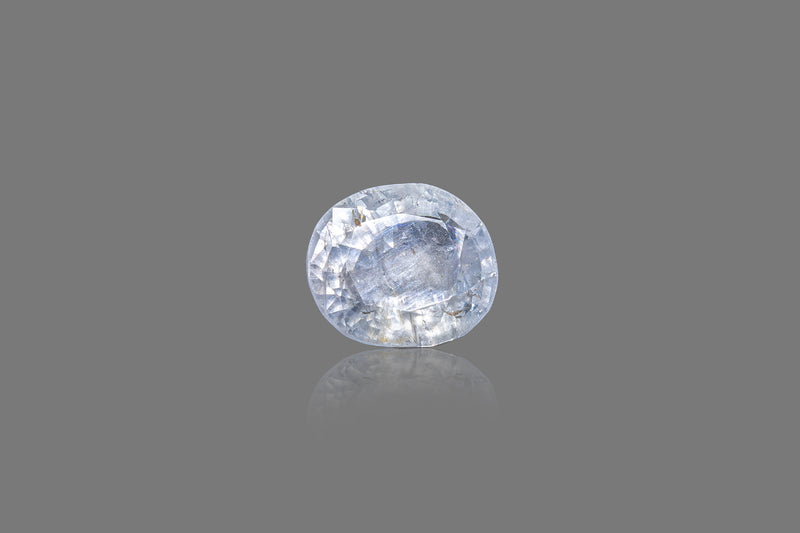 18% OFF
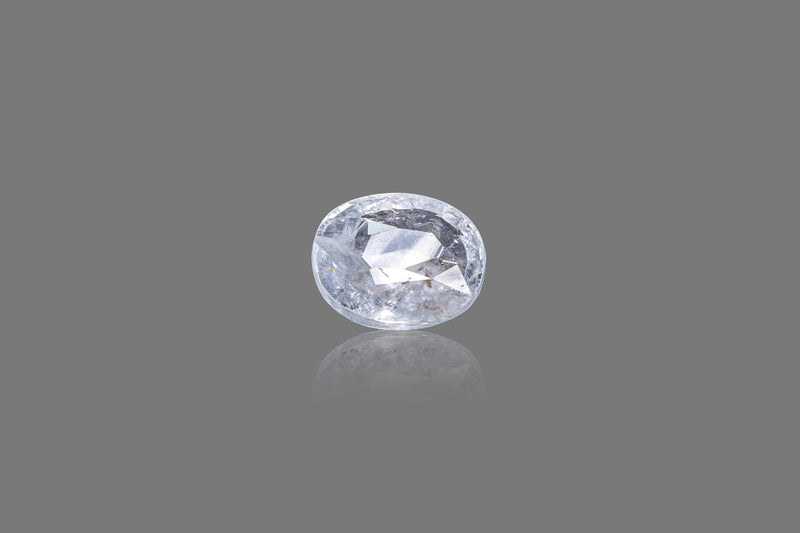 14% OFF
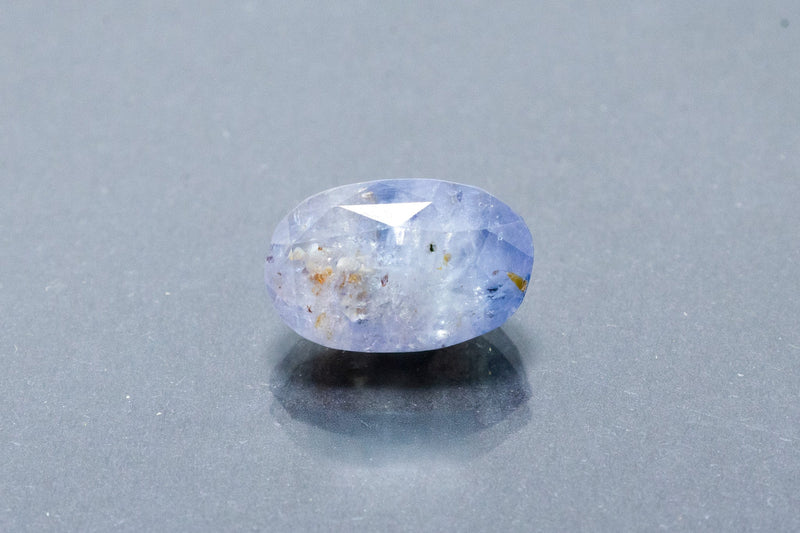 20% OFF
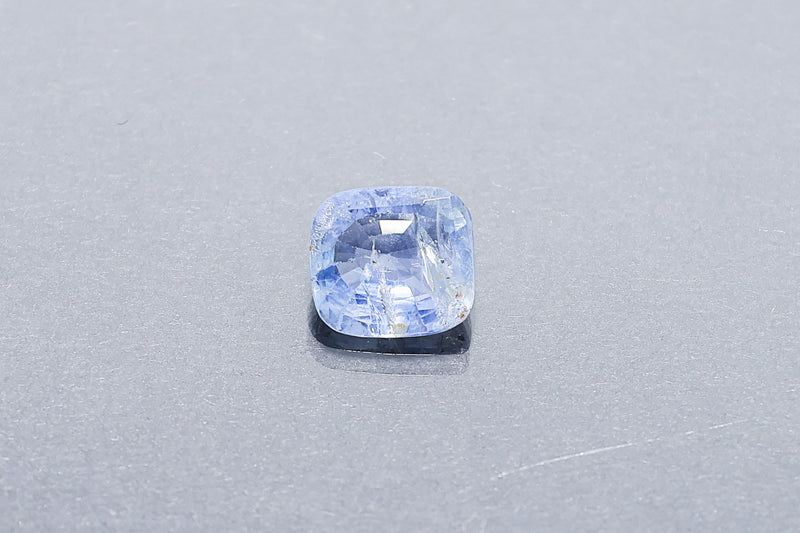 20% OFF
Need Help Choosing a Gemstone?
Have questions about a gemstone, its quality, colour, clarity or specifications? Our gemologist can help you understand the details before you buy.
About Blue Sapphire
Blue sapphire is the blue variety of the mineral corundum. In India it is known as Neelam or Neelam Ratna. You will also see it called Nilam, Neel, Neelmani and, in Sanskrit texts, Indraneela. In Vedic astrology, it is the gemstone of Saturn (Shani), the planet of discipline, karma and long-term effort.
Blue sapphire is also one of the most respected coloured gemstones in the jewellery trade. It is very hard, durable and available in a wide range of blues. That is why people look for it both as an astrological remedy and as a ring or pendant stone.
If you want to buy blue sapphire online, this page will help you choose with confidence. It explains the quality factors, what drives the blue sapphire price, how to wear a neelam stone and how to look after it.
What Is Blue Sapphire?
Mineral composition- Blue sapphire is aluminium oxide (Al₂O₃), the same mineral as ruby. Pure corundum is colourless. The blue colour comes from trace amounts of iron and titanium inside the crystal. Corundum in any colour except red is called sapphire. Red corundum is called ruby.
| Property | Blue Sapphire |
| Mineral | Corundum (Al₂O₃) |
| Mohs hardness | 9 (only diamond is harder) |
| Refractive index | About 1.76–1.77 |
| Specific gravity | About 3.95–4.03 |
Geological formation- Sapphire forms deep in the earth under high heat and pressure. It crystallises in metamorphic rocks such as marble and gneiss, and in some igneous rocks such as basalt. Weathering often carries the crystals into river gravels, where they are mined as alluvial deposits.
Colour variations- Blue sapphires range from pale sky blue to deep royal blue, and some lean violet-blue or greenish-blue. Terms you may come across include cornflower blue (a vivid, slightly velvety medium blue) and royal blue (a deeper, rich blue).
Major origins:
- Kashmir (India): Famous for a velvety cornflower blue. Mining was brief and the old deposits are now largely exhausted, so Kashmir stones are rare and command a premium.
- Myanmar (Burma): Known for rich, saturated blue from the Mogok region.
- Sri Lanka (Ceylon): Produces bright, clean stones, often in lighter to medium blues. These are sold as 'Ceylon neelam'.
- Madagascar: A major modern source with a wide range of qualities.
- Others: Thailand, Cambodia, Australia, Tanzania, Mozambique and Montana (USA).
Historical importance- Sapphire has been worn by royalty and clergy for centuries. Medieval European courts treated it as a stone of wisdom and good judgment. In Indian tradition, Neelam has been described in gem texts for centuries as the stone of Shani.
What makes a fine specimen desirable- What makes a fine specimen desirable. Buyers looking to buy blue sapphire should consider an even, vivid blue, a clean and lively appearance, a good cut and a reliable laboratory report. A stone that combines these qualities is far rarer than an average one. Rarity is what lifts value.
Benefits of Blue Sapphire
The benefits below come from Vedic astrology, gemmological tradition and cultural belief. They are not scientifically proven, and results are personal. Blue sapphire should not replace medical, financial or professional advice.
Astrological Significance and Traditional Benefits
In Vedic astrology, blue sapphire represents Saturn, the planet linked to karma, discipline, responsibility and delayed but lasting results. According to astrological traditions, a well-placed Saturn in the birth chart can be supported by wearing Neelam. It is traditionally believed to help with:
- Steady progress in career and long-term goals.
- Focus, patience and a disciplined approach to work.
- Support during periods of Saturn, such as Sade Sati or Shani Mahadasha, when a chart indicates it.
Traditional texts also say that Neelam works quickly and strongly. That is why astrologers stress a proper chart analysis before wearing it.
Spiritual Significance
Saturn is associated with detachment, humility and inner discipline. In this tradition, Neelam is considered a stone for people on a path of focus and self-restraint. Some practitioners link it with meditation and steadiness of mind. Many wearers see the stone as a reminder to act with patience and integrity.
Traditional Mental and Emotional Associations
It is traditionally believed that blue sapphire promotes calm thinking, clarity and emotional steadiness. In wider gemstone lore, blue has long been associated with truth, loyalty and sincerity. These are cultural associations, not clinical claims.
Who Should Wear Blue Sapphire?
Ruling planet: Saturn (Shani).
Zodiac signs: Saturn rules Capricorn (Makar) and Aquarius (Kumbh). Traditionally, blue sapphire is often considered for these signs. It is also commonly considered for Taurus and Libra ascendants, where Saturn is regarded as a particularly beneficial planet. It may also suit Gemini and Virgo ascendants in some charts.
The zodiac sign alone is not enough. Astrologers look at the placement of Saturn in the birth chart, the house it rules, its strength, and the running planetary period (dasha). A person with a favourable Saturn may be advised to wear Neelam. A person with an unfavourable placement may be advised against it.
How to Wear Blue Sapphire?
The guidance below follows common Vedic traditions. Practices can vary by birth chart, family tradition and astrologer. Please confirm details with your astrologer.
| Aspect | Traditional guidance |
| Metal | Panchdhatu or silver. Some astrologers also suggest iron (lohe) or steel, as these are linked with Saturn. |
| Finger | Middle finger of the right hand (Saturn's finger). Some traditions allow the left hand. |
| Day | Saturday, ideally during Shukla Paksha (the waxing moon phase). |
| Auspicious time | Saturday evening, often in Shani Hora, or on a day when the moon is in a Saturn nakshatra (Pushya, Anuradha or Uttara Bhadrapada). Your astrologer can give an exact muhurat. |
| Weight | Traditionally, 4 to 6 ratti is commonly suggested, and many texts advise at least 3 ratti. One ratti is about 0.91 carat, so 5 ratti is roughly 4.5 carats. The right weight depends on the chart and on your body weight and budget. |
| Mantra | 'Om Pram Preem Prum Sah Shanaischaraya Namah', chanted 108 times. Some traditions chant it more often. |
| Purification | Soak the stone in raw milk mixed with Ganga jal (or clean water) for a few hours. Rinse with clean water and wipe dry. |
| Energisation | After purification, place the stone before an image of Lord Shani, light a lamp, offer flowers and chant the mantra. Then wear it. |
A note on the trial period- Many astrologers suggest wearing the stone for a few days, or keeping it near you overnight, to observe how you feel before committing. This is a traditional practice and not a guarantee of any outcome. If you feel uncomfortable, stop wearing it and consult your astrologer.
For astrological use, the stone should touch the skin. An open-back setting is therefore usually preferred.
What to Check Before You Buy Blue Sapphire?
Before you buy a natural blue sapphire, check these seven factors. They determine how the stone looks, how rare it is and what it is worth.
1. Colour
Colour is the most important factor. The best stones show a vivid, evenly distributed medium to medium-dark blue. Stones that are too pale look weak. Stones that are too dark look inky, especially indoors. Strong grey or green tints reduce value. Uneven colour zoning, where blue sits in patches, is also a drawback.
2. Clarity and Inclusions
Most natural sapphires contain inclusions. Fine rutile needles (called 'silk') are common and can even give the stone a soft, velvety look, as seen in some Kashmir stones. What matters is whether the inclusions are visible to the eye, reduce brilliance or weaken the stone. An eye-clean stone is more valuable. Large cracks or surface-reaching fractures reduce durability and price. For more check out our guide on types of inclusion in sapphire
3. Cut
A good cut brings out colour and liveliness. Look for even symmetry, good polish and proper depth. A stone cut too shallow can show a 'window', a see-through centre. One cut too deep can look dark. Sapphires are often cut to save weight, so a slightly less perfect cut is common. Check that it does not hurt the face-up appearance.
4. Carat Weight
Sapphire is sold by the carat (0.2 gram). Larger stones are rarer, so price rises faster than weight. A 5-carat stone is usually worth much more than five 1-carat stones of the same quality. For astrological use, weight is often discussed in ratti. Choose weight based on your astrologer's advice and budget, not on size alone.
5. Origin
Origin affects blue sapphire price. Kashmir and Burma are the most prized, followed by well-regarded Sri Lankan and Madagascan stones. A fine stone from any origin can be a good buy. Origin is confirmed only by a gemmological laboratory, so ask for a report if origin matters to you.
6. Natural or Synthetic Status
A natural blue sapphire formed in the earth. A synthetic (lab-created) sapphire has the same chemistry but was grown in a lab. Synthetic stones cost far less and are not accepted for astrological use. Imitations such as glass or blue spinel are different materials altogether. Only a laboratory can reliably separate natural from synthetic. Curved growth lines and gas bubbles are common clues in lab-grown stones, but you need a gemmologist to confirm.
7. Treatment Status
Most blue sapphires on the market are heat-treated. Heating improves colour and clarity and is widely accepted in the trade, so long as it is disclosed. Unheated sapphires are rarer and cost more. Other treatments include fracture filling and diffusion treatment, which are less stable and worth less. Always ask for the treatment status in writing. If you plan to buy blue sapphire online, check the gemstone's certification and treatment details before making a purchase. You can learn more about the differences on our heated vs unheated sapphire page
How to Care for Blue Sapphire?
Blue sapphire is hard and durable, but it still needs sensible care.
Safe cleaning method
- Mix lukewarm water with a few drops of mild dish soap.
- Soak the jewellery for 15–20 minutes.
- Gently scrub with a soft toothbrush, including behind the stone.
- Rinse in clean water and pat dry with a soft cloth.
For astrological use, many wearers also clean the stone with plain water on Saturdays.
Blue Sapphire Price Guide
The blue sapphire price depends mainly on colour, clarity, treatment, origin and carat weight. There is no single neelam stone price. A natural blue sapphire can cost anywhere from a modest amount to a very large sum, depending on these factors.
You can see the current natural blue sapphire price for each stone on its product listing, along with its weight, origin, treatment and certificate details.
Factors That Affect Neelam Stone Price
| Factor | How it affects blue sapphire price |
| Colour quality | The biggest driver. Vivid, even medium-dark blue is valued most. Pale, grey or patchy colour lowers price. |
| Clarity | Eye-clean stones cost more. Visible inclusions and cracks reduce value. Fine silk can be acceptable, even desirable, in some stones. |
| Cut and finish | Good symmetry and polish improve brilliance and price. Poor cuts waste light and weight. |
| Carat weight | Price per carat rises as size increases, because large quality stones are rare. |
| Origin | Kashmir and Burma carry a premium. Sri Lankan and Madagascan stones range widely. |
| Treatment | Unheated stones cost more than heated ones. Fracture-filled and diffusion-treated stones cost far less. |
| Certification | A report from a recognised laboratory confirms natural origin and treatment and adds buyer confidence. |
Why Buy Blue Sapphire from AstroSage Shop?
AstroSage is known for astrology guidance, and AstroSage Shop brings gemstone buying together with that knowledge. When you buy neelam stone online here, you can expect:
- Natural gemstone options: A range of natural blue sapphire (neelam) stones to suit different budgets, sizes and purposes.
- Authenticity information: Product pages share certification and authenticity details so you can see what you are buying.
- Clear specifications: Weight, dimensions, shape, origin and treatment details are listed for each stone where available.
- Variety: Loose stones as well as options for rings and pendants, in different weights, so you can match your astrologer's advice.
- Customer assistance: Our support team can help with questions about stone details and your order.
- Return and exchange policy: Our return and exchange terms are published on the website. Read them before you order.