

Emerald Stone (Panna)
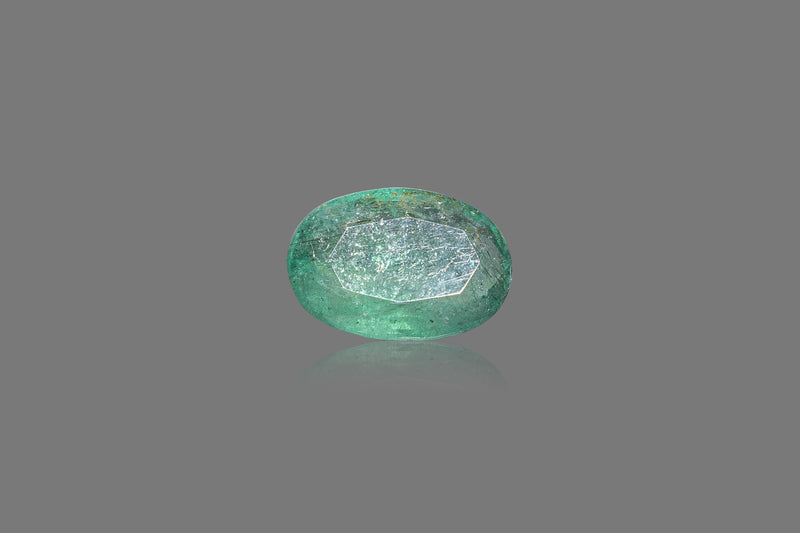
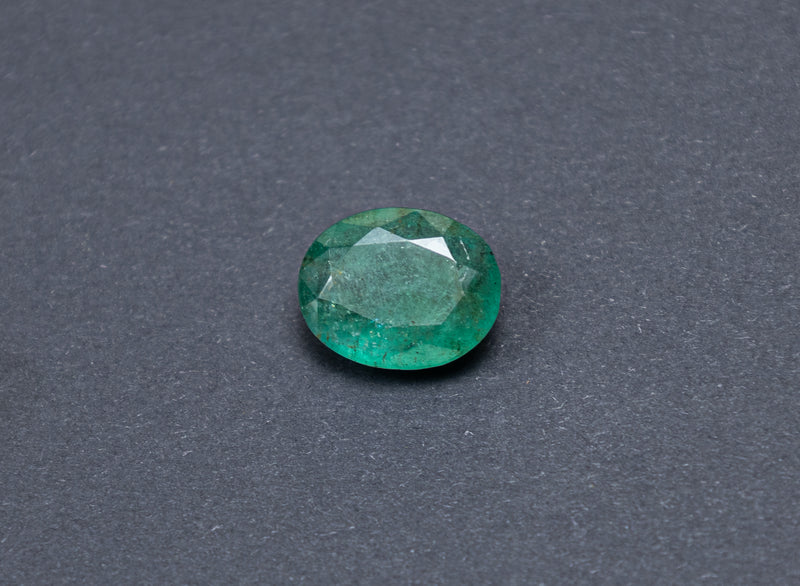
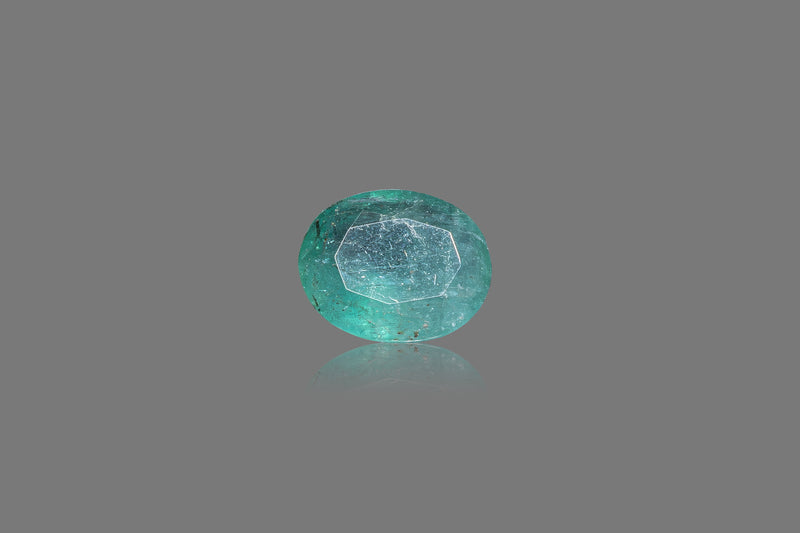
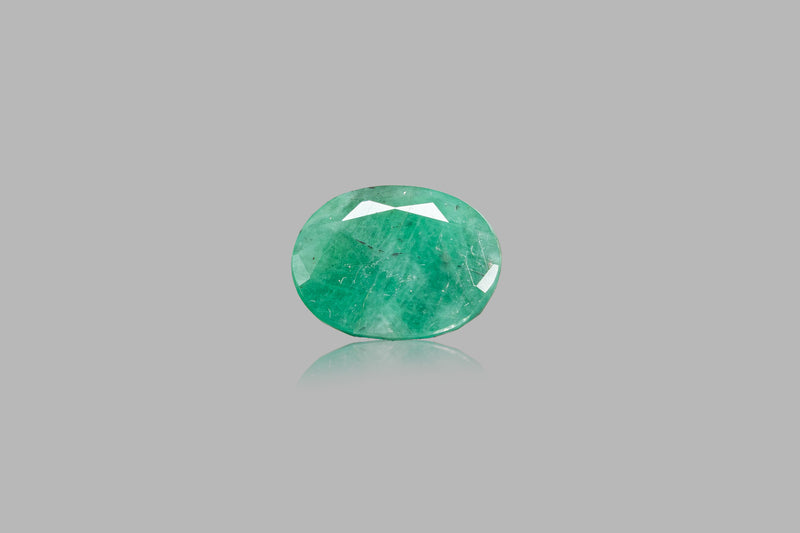
Emerald, also known as Panna, is admired for its rich green colour and natural elegance. Traditionally associated with Mercury, it is considered an important gemstone in Vedic astrology.
Wisdom & Communication | Intelligence | Confidence | Growth

Emerald Stone (Panna)
Emerald, also known as Panna, is admired for its rich green colour and natural elegance. Traditionally associated with Mercury, it is considered an important gemstone in Vedic astrology.
Wisdom & Communication | Intelligence | Confidence | Growth
Govt. Lab Certified
IGI / IEGL Certificate (Options Available)
Free Energization
Vedic mantra se energized
100% Money-Back
If found treated, double refund
Insured Delivery
Free shipping, 2-4 days pan-India
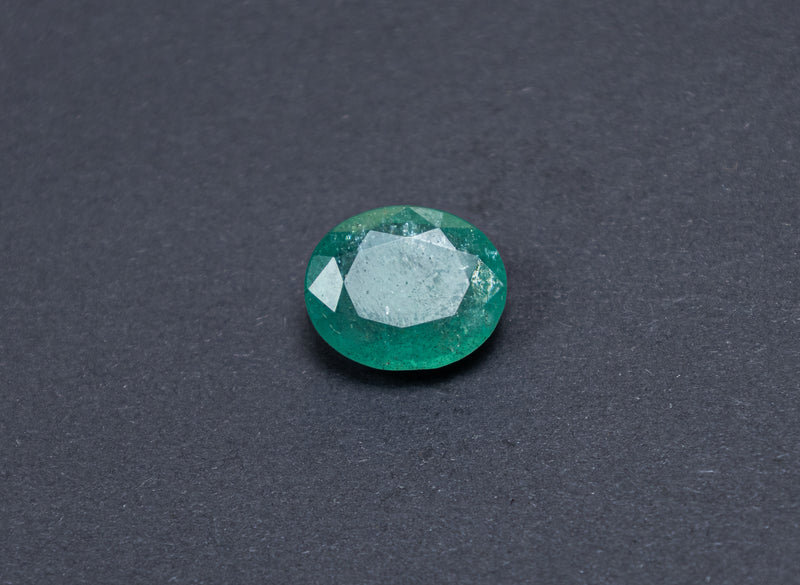 9% OFF
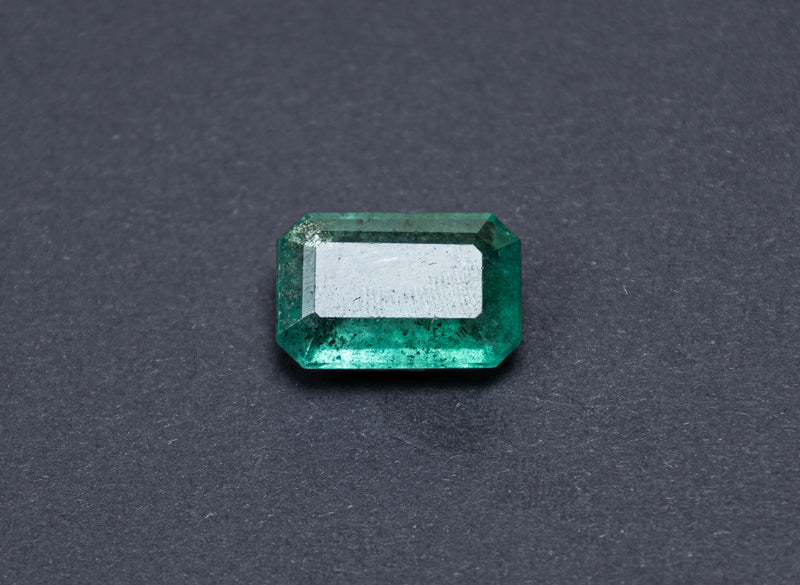 20% OFF
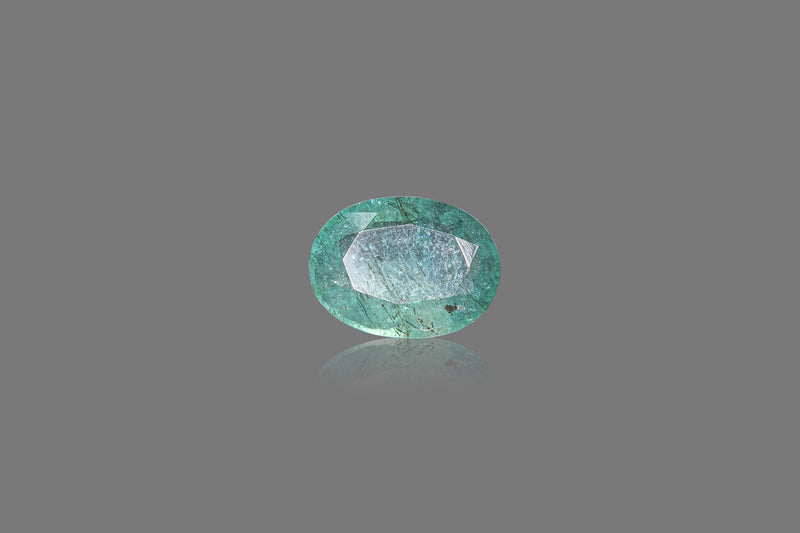 13% OFF
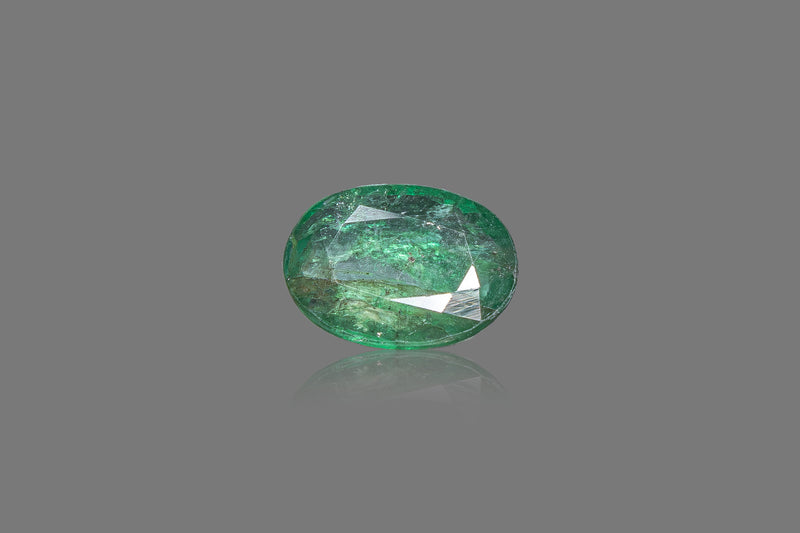 11% OFF
 11% OFF
 20% OFF
 12% OFF
 20% OFF
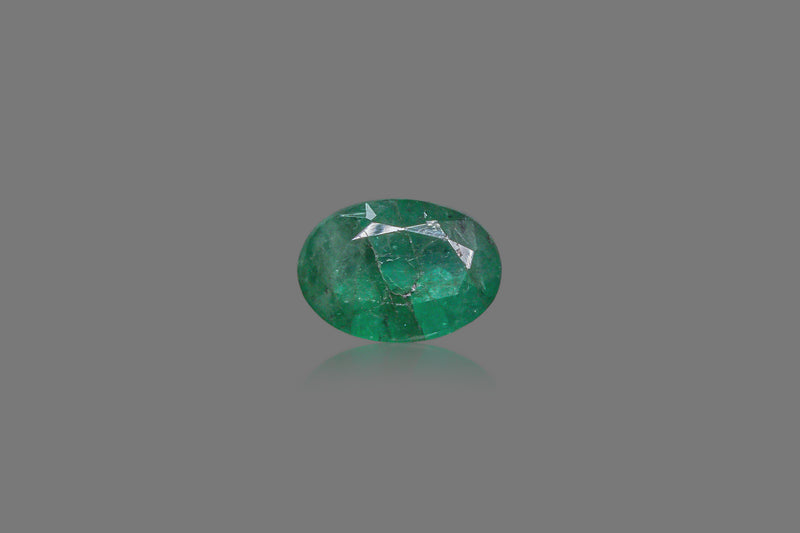 13% OFF
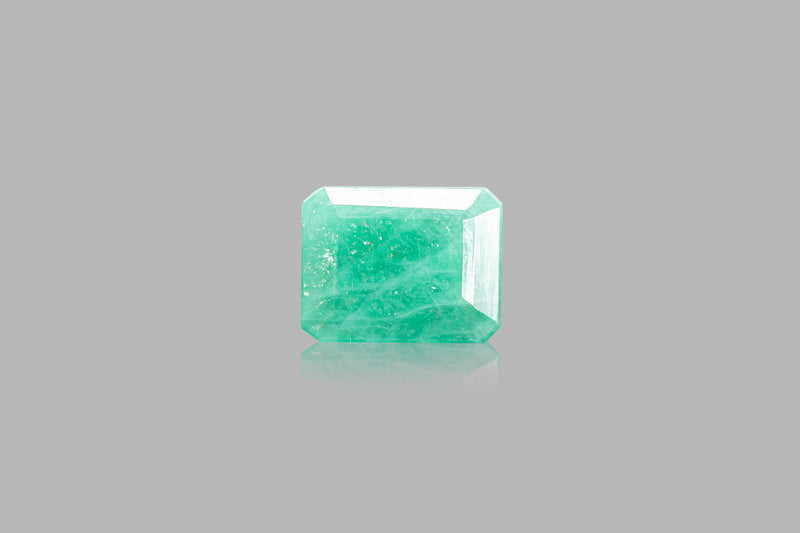 20% OFF
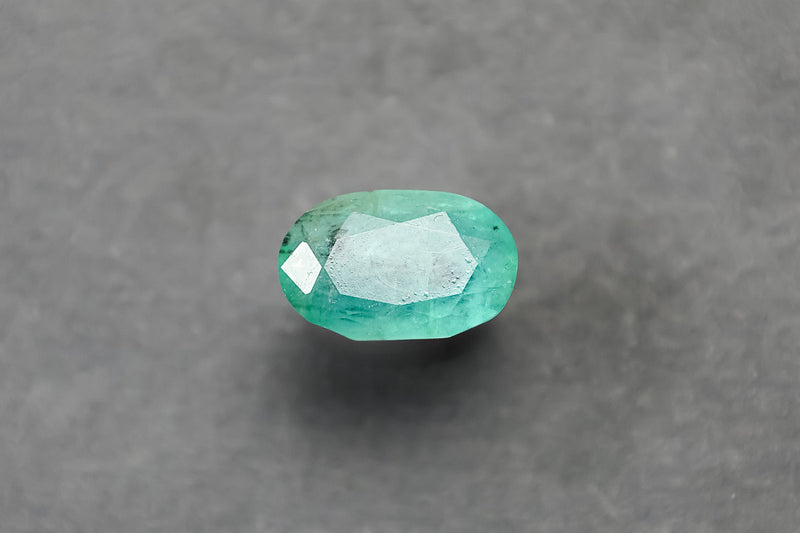 9% OFF
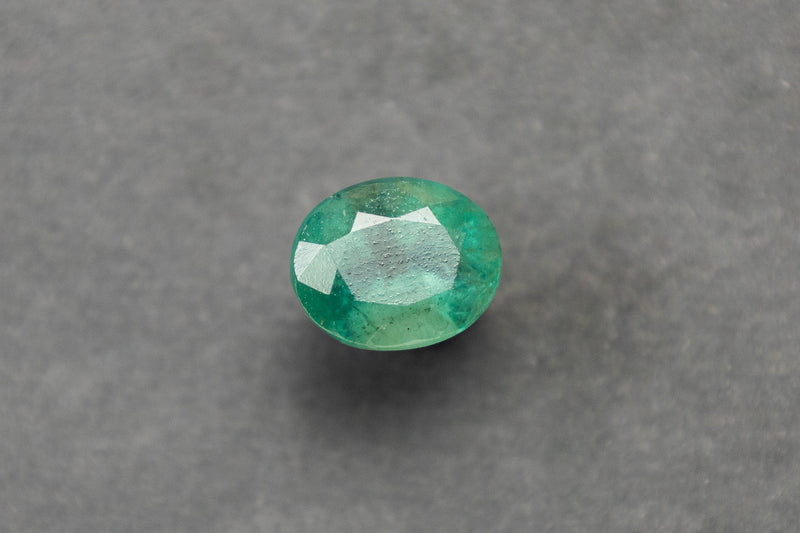 20% OFF
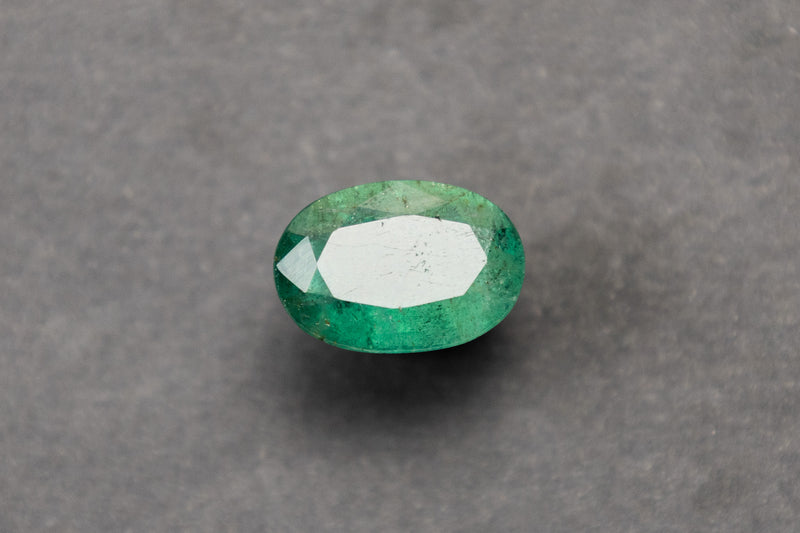 20% OFF
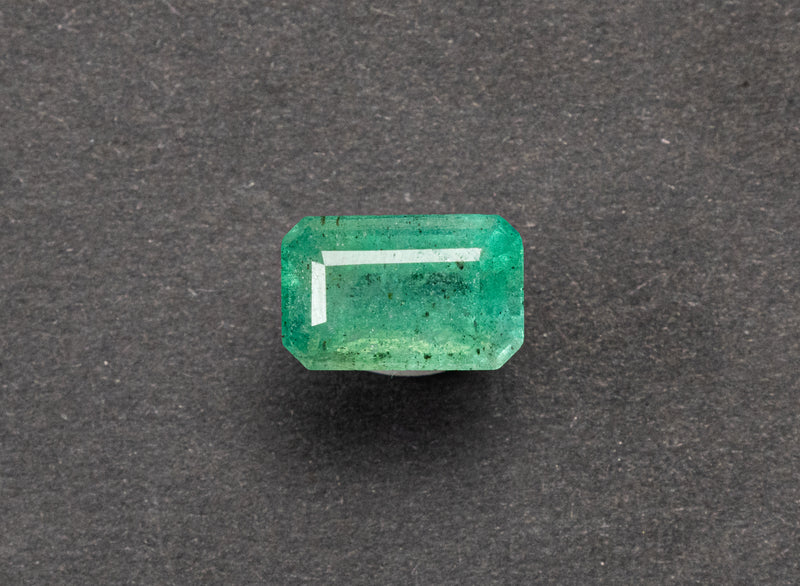 20% OFF
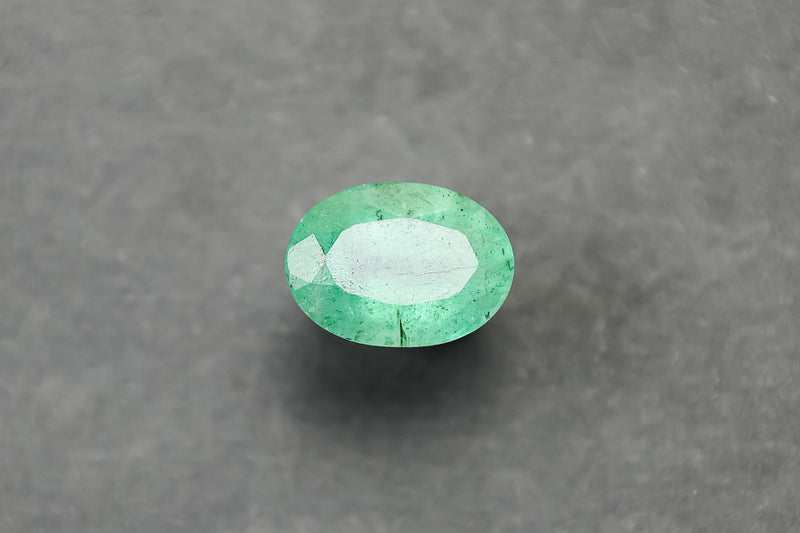 20% OFF
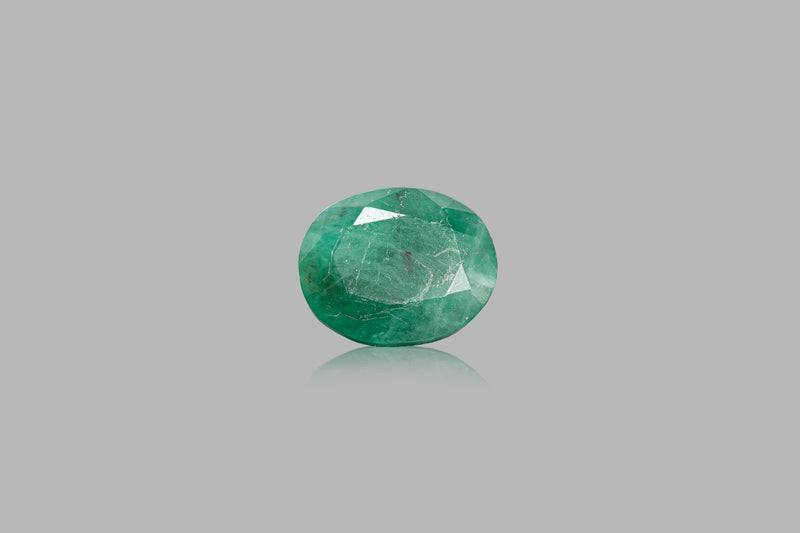 20% OFF
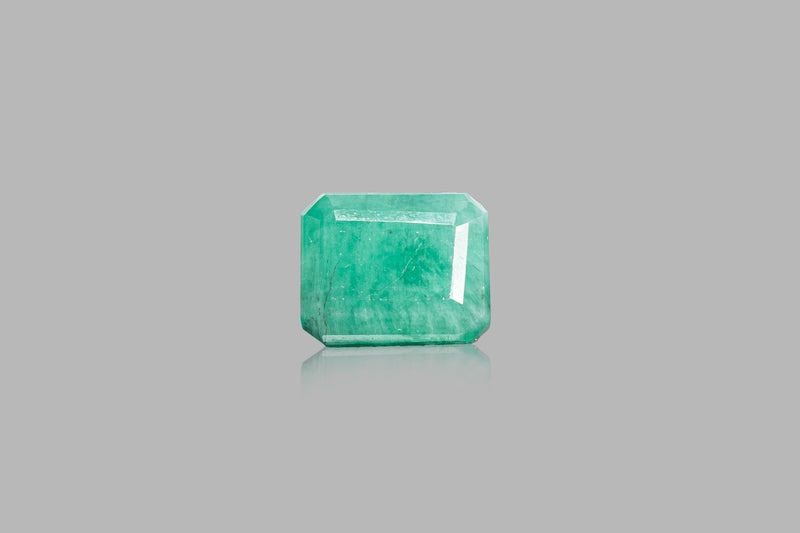 20% OFF
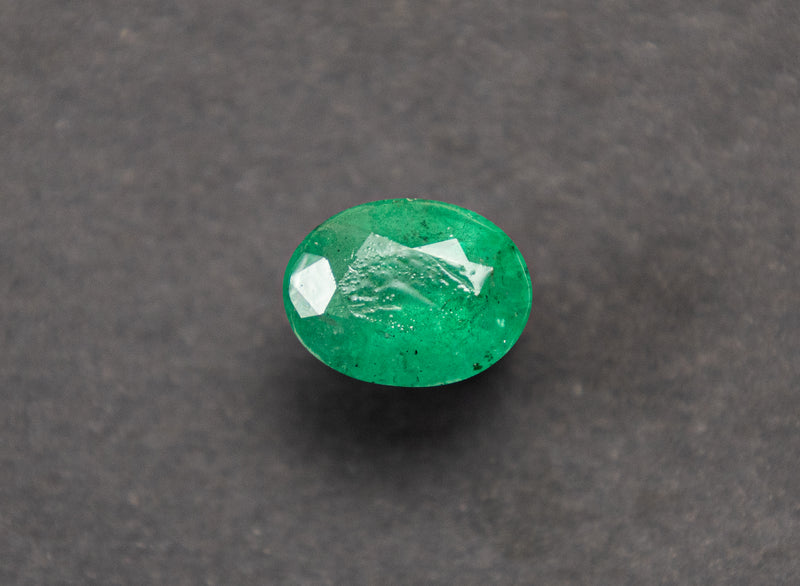 20% OFF
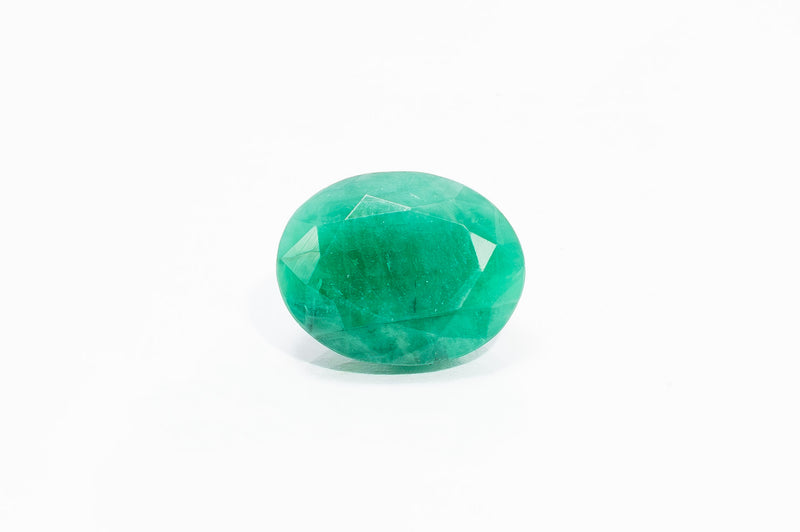 20% OFF
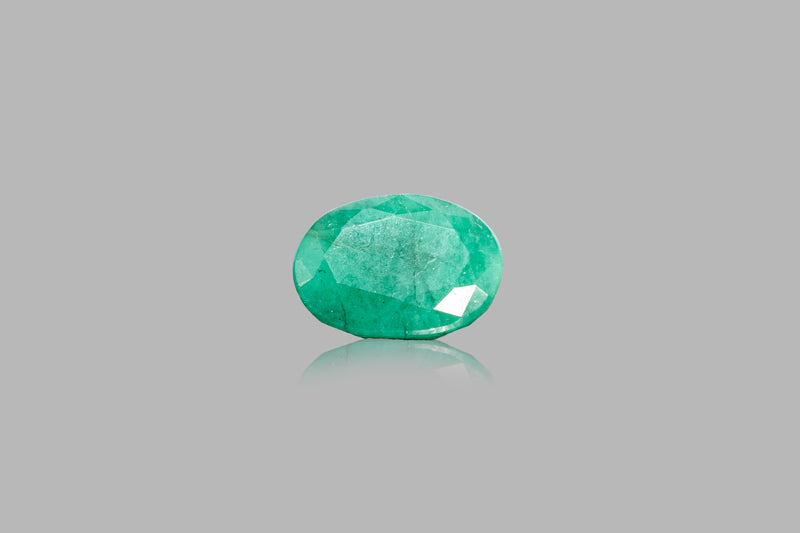 20% OFF
Need Help Choosing a Gemstone?
Have questions about a gemstone, its quality, colour, clarity or specifications? Our gemologist can help you understand the details before you buy.
About Emerald (Panna)
Emerald is the rich green variety of the mineral beryl. In India it is known as Panna or Panna Ratna. Sanskrit texts call it Marakata, and you will also hear it called Zamurd or Zumurrud in Persian and Arabic and Pachai in Tamil. In Vedic astrology, emerald is the gemstone of Mercury (Budh), the planet of intellect, speech and commerce.
Emerald is one of the world's most valued coloured gemstones, and its green colour is unlike any other. People look for it as an astrological gemstone and as a striking stone for rings, pendants and earrings.
If you want to buy emerald online, this page will help you choose well. It covers the quality factors, what shapes the emerald price, how to wear a panna stone and how to care emerald.
What Is Emerald?
Mineral composition. Emerald is a beryllium aluminium silicate (Be₃Al₂Si₆O₁₈). Pure beryl is colourless. Emerald gets its green from traces of chromium and, in some stones, vanadium. Beryl with a similar green colour but caused mainly by iron is not usually sold as emerald.
Key properties.
| Property | Emerald |
| Mineral | Beryl (Be₃Al₂Si₆O₁₈) |
| Mohs hardness | 7.5–8 |
| Refractive index | About 1.57–1.58 |
| Specific gravity | About 2.67–2.78 |
| Crystal system | Hexagonal |
Geological formation. Emeralds form when beryllium-bearing fluids meet chromium- or vanadium-rich rocks, usually in hydrothermal veins and in some metamorphic rocks. These conditions are uncommon, and crystals often grow with fractures and fluid pockets. That is why almost all emeralds contain visible inclusions.
Colour variations. Emerald ranges from light green to deep green. The finest stones show a pure green or a slightly bluish green with strong saturation. Yellowish-green stones and very pale stones are less valued, and some laboratories class very light stones as green beryl rather than emerald.
- Colombia (Muzo, Chivor, Coscuez): The classic source of fine emeralds with a vivid, warm green. Colombian stones command a premium.
- Zambia (Kagem): Known for deep green, often slightly bluish stones, and for good clarity. Zambian emeralds are popular with buyers who want fine colour at a more accessible price.
- Brazil: Produces many commercial and some fine stones, often lighter in tone.
- Zimbabwe (Sandawana): Small stones with intense green colour.
- Afghanistan (Panjshir), Pakistan (Swat) and Russia (Urals): Other well-known sources.
- Madagascar, Ethiopia and Egypt: Smaller or historic sources. Egypt's ancient mines are linked to Cleopatra.
Historical importance. Emerald has been prized for thousands of years. Ancient Egyptians mined it, and Mughal and Indian courts treasured large engraved emeralds. In Indian tradition, Panna is one of the nine gems (Navaratna), each linked to a planet.
The ‘garden’ in emerald. Emerald inclusions are sometimes called jardin, French for garden. Gemmologists treat them as natural fingerprints. Their presence does not mean a stone is poor. Experts judge how much the inclusions affect beauty and strength. An emerald that is perfectly clean to the eye is exceptionally rare and costly.
Benefits of Wearing Emerald Gemstone
The benefits below come from Vedic astrology, gemological tradition and cultural belief. They are not scientifically proven, and experiences differ from person to person. Emerald is not a substitute for medical, financial or professional advice.
Astrological Significance and Traditional Benefits
In Vedic astrology, Mercury governs intelligence, communication, learning, trade and analytical skill. According to astrological traditions, wearing Panna can strengthen Mercury's positive influence in a birth chart. It is traditionally believed to support:
- Clear thinking, memory and decision-making.
- Communication, writing, speaking and negotiation.
- Business, accounting, banking, media and other trade-related careers.
- Education and exam preparation.
- Confidence in social and professional settings.
Astrologers add that outcomes depend on the birth chart, the placement of Mercury and the planetary period running at the time.
Spiritual Significance
Mercury is associated with discernment and the ability to see things clearly. In this tradition, Panna is linked with inner balance, truthfulness and a calm, analytical mind. Some practitioners associate its green colour with the heart and with renewal.
Traditional Mental and Emotional Associations
It is traditionally believed that emerald promotes calm thinking, mental freshness and emotional balance. In wider gemstone lore, green is seen as the colour of growth, harmony and hope. These are cultural associations, not clinical claims.
Who Should Wear Emerald?
Ruling planet: Mercury (Budh).
Zodiac signs. Mercury rules Gemini (Mithun) and Virgo (Kanya). Traditionally, emerald is considered for these signs. It is also commonly suggested for Taurus and Libra ascendants because Venus, their ruler, is regarded as friendly to Mercury. Some astrologers also recommend it for Capricorn and Aquarius ascendants, based on the chart.
How to Wear Emerald?
| Aspect | Traditional guidance |
| Metal | Gold is most commonly recommended. Some astrologers also accept silver or panchdhatu. |
| Finger | Little finger of the right hand (Mercury's finger). Some traditions allow the ring finger. |
| Day | Wednesday, ideally during Shukla Paksha (the waxing moon phase). |
| Auspicious time | Wednesday morning, often in Budh Hora, or when the moon is in a Mercury nakshatra (Ashlesha, Jyeshtha or Revati). Ask your astrologer for an exact muhurat. |
| Weight | Traditionally, at least 3 ratti is advised, and 3 to 6 ratti is commonly suggested. One ratti is about 0.91 carat, so 5 ratti is roughly 4.5 carats. The right weight depends on the chart and budget. |
| Mantra | ‘Om Bram Breem Broum Sah Budhaya Namah’, chanted 108 times. Some traditions chant it far more often. |
| Purification | Soak the stone briefly in Ganga jal or clean water, and in raw milk in some traditions. Rinse gently and wipe dry. Do not soak for long or use heat. |
| Energisation (pran pratishtha) | Place the stone before an image of Lord Vishnu or Lord Ganesha, light a lamp, offer tulsi leaves or green leaves and chant the mantra. Then wear it. |
A note on the trial period. Many astrologers suggest keeping the stone with you for a short period before wearing it, to see how you feel. This is a traditional practice and not a guarantee of any result. If you feel uneasy, stop and consult your astrologer.
For astrological use, the stone should touch the skin, so an open-back setting is generally preferred.
Emerald Quality Factors: What to Check Before You Buy
Check these seven factors before you buy a natural emerald. Emerald is judged differently from most gems, because inclusions are expected and colour leads everything.
1. Colour
Colour is the most important factor. The best emeralds show a vivid, pure green or slightly bluish green, with medium to medium-dark tone and strong saturation. Stones that are too pale, too dark or yellowish lose value. Even colour from edge to edge is better than patchy colour.
2. Clarity and Inclusions
Almost every natural emerald has inclusions. Gemmologists accept this and judge how visible they are and how much they affect transparency and strength. An emerald with a few minor inclusions and good transparency is considered fine. Surface-reaching cracks, large fractures and cloudy areas reduce both price and durability. A truly eye-clean emerald is rare and costs much more.
3. Cut
Emerald is brittle and its fractures can lead to chipping. The classic emerald cut, a rectangle with trimmed corners, protects the stone and shows its colour. Cabochons, ovals and cushions are also common. Check symmetry, polish and depth. A very shallow cut can look washed out, and a very deep cut can look dark.
4. Carat Weight
Emerald is sold by the carat (0.2 gram). Fine large emeralds are rare, so price per carat rises steeply with size. For astrological use, weight is often discussed in ratti. Follow your astrologer's advice and your budget rather than choosing the largest stone.
5. Origin
Origin affects price and reputation. Colombia holds the highest prestige, while Zambia is valued for deep colour and clarity. Brazilian and other sources range from commercial to fine. A fine stone from any origin can be a good buy. Only a laboratory can state origin reliably.
6. Natural or Synthetic Status
A natural emerald formed in the earth. A synthetic emerald is grown in a lab. It has the same chemistry and can look very clean and vivid. It costs far less and is not suitable for astrological use. Imitations include green glass, green tourmaline, green garnet and doublets or triplets (stones assembled from layers). A flawless, bright green stone at a very low price should make you cautious. A laboratory report is the only dependable test.
7. Treatment Status
Most emeralds are treated with colourless oil or resin to fill surface cracks and improve clarity. This is a long-accepted practice when disclosed. Labs grade the level as none, minor, moderate or significant. Stones with no or minor treatment cost more. Heavily filled stones cost much less, and the filler can change over time.
How to Clean and Care for Emerald
Emerald needs more care than sapphire or diamond, because its fractures can be filled with oil or resin.
Safe cleaning method
- Mix lukewarm water with a few drops of mild soap.
- Dip a soft cloth or a soft brush in the solution and wipe the stone gently.
- Rinse quickly in clean water. Do not soak for long.
- Dry with a soft, lint-free cloth.
Emerald Price Guide
The emerald price depends mainly on colour, clarity, treatment, origin and carat weight. There is no single panna stone price. Natural emeralds range from affordable to extremely expensive.
Market rates change, so we do not publish fixed per-carat figures here. Each product page shows the current natural emerald price along with weight, origin, treatment and certificate details.
Factors That Affect Panna Stone Price
| Factor | How it affects emerald price |
| Colour quality | The biggest driver. Vivid, saturated green to slightly bluish green is valued most. Pale or yellowish stones are cheaper. |
| Clarity | Fewer and less visible inclusions raise value. Cracks reaching the surface and cloudy zones lower it. |
| Cut and finish | A well-proportioned cut with good polish improves colour and durability. Poor cuts can lower price. |
| Carat weight | Price per carat rises sharply with size because fine large emeralds are scarce. |
| Origin | Colombian stones carry a premium. Zambian and other origins vary by quality. |
| Treatment | Untreated or lightly treated stones cost more. Heavily filled stones cost much less. |
| Certification | A report from a recognised laboratory confirms natural origin and shows the treatment level. It adds buyer confidence. |
| Overall quality | The combination of all factors. A stone strong in several areas is worth far more than one strong in just one. |
Why Buy Emerald from AstroSage Shop?
AstroSage is trusted for astrology guidance, and AstroSage Shop brings gemstone buying together with that expertise. When you buy panna stone online here, you can expect:
- Natural gemstone options: A choice of natural emerald (panna) stones for different budgets, sizes and purposes.
- Authenticity information: Product pages share certification and authenticity details so you know what you are buying.
- Clear specifications: Weight, dimensions, shape, origin and treatment details are listed for each stone where available.
- Variety: Loose stones and jewellery options in different weights, so you can match your astrologer's advice.
- Customer assistance: Our support team can help with questions about stone details and your order.
- Return and exchange policy: Our return and exchange terms are published on the website. Please read them before ordering.
If you are unsure which weight or quality suits you, speak to an astrologer first, then browse the collection above. Compare stones by colour, clarity, treatment level and certificate, and choose the one that fits your needs.
For deeper guidance, read our detailed articles on emerald benefits, Panna wearing rules and how to identify a natural emerald.