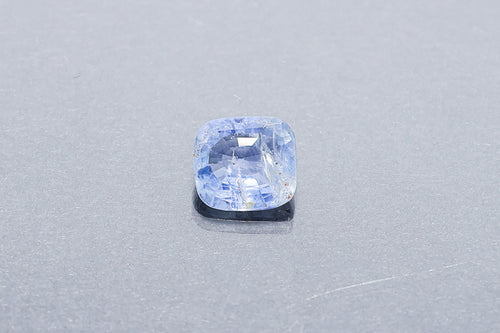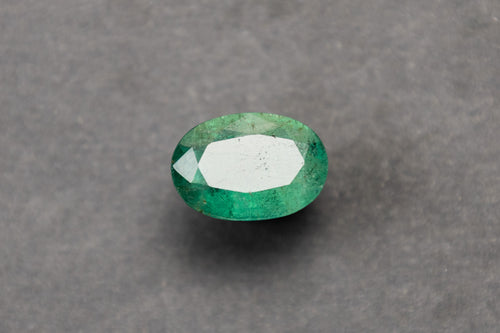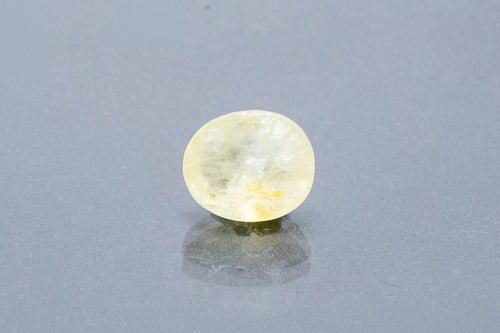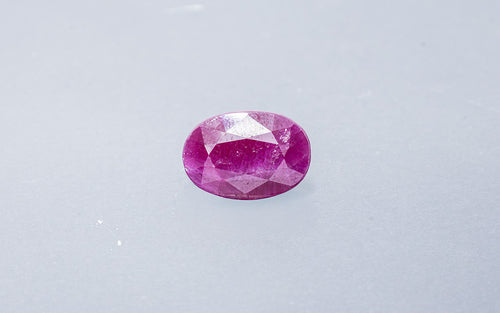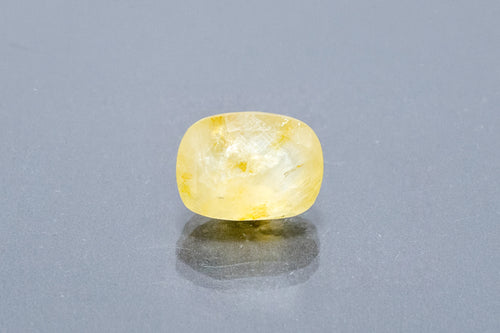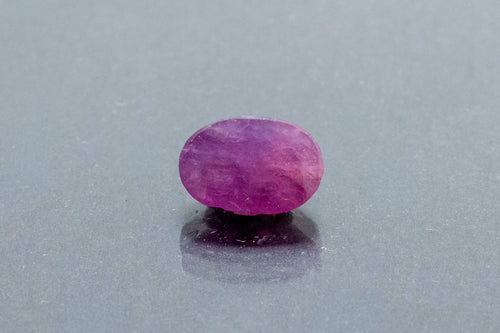


You've spotted a gemstone online that catches your eye. The listing looks professional, the price seems fair, and part of you just wants to click "buy." But another part of you is asking: "How do I actually know this is genuine, and that I'm not about to overpay for something fake?"
That hesitation is normal — and smart. This gemstone buying guide walks through every factor a customer should genuinely check before buying a gemstone online, so you can shop with confidence instead of guesswork.
Is this seller actually trustworthy?
Before you even look at the stone itself, look at who's selling it. A seller's reputation says a lot about what you're about to receive.
Ask yourself:
- Does this seller have a real business history, or did the website appear overnight?
- Are they recognized or affiliated with any established gemological body?
- Can I find reviews about them anywhere other than their own website?
The gemstone market online has plenty of honest sellers — but it also has its share of scams, so a little research here goes a long way before you trust anyone with your money.
Do I even know what type of gemstone I'm buying?
Not all gemstones are the same category, and knowing the difference helps you judge whether the price and description actually make sense.
- Precious stones — diamonds, rubies, emeralds, sapphires — valued for rarity and durability
- Semi-precious stones — amethyst, citrine, garnet, topaz, aquamarine — beautiful and more affordable
- Organic gems — pearl, coral, amber, jade — formed from natural organic material, often treated to enhance appearance
- Lab-grown gems — chemically identical to natural stones but grown in controlled conditions, usually priced lower
Knowing which category you're buying into helps set the right price expectation from the start.
How to check original gemstone online before I pay?
This is the question most customers eventually land on, and there's no single trick — it's a combination of checks:
- Certification — Ask for a lab report from a recognized institute. Reputable names carry more weight than a certificate the seller printed themselves.
- Cross-verification — Search the certificate number on the issuing lab's official website to confirm it's real.
- Clear photos and videos — Actual images of the stone, not stock photos, ideally in natural light.
- Direct questions — Ask the seller plainly whether the stone is natural, treated, or lab-grown. A genuine seller answers without hesitation.
If a seller can't satisfy these basic checks, that's your cue to keep looking elsewhere.
Has this gemstone been treated — and does that matter?
Yes, it matters, and it's one of the most overlooked factors to consider before buying gemstones online. Many gemstones go through treatments like heating, filling, or irradiation to enhance color or clarity.
Some treatments are widely accepted in the industry and don't reduce value much. Others — like undisclosed coating or dyeing — are considered misleading and can significantly affect what the stone is actually worth. The only way to know for sure is a proper certificate and a seller who discloses treatments upfront rather than waiting to be asked.
What actually decides if this gemstone is good quality?
This comes down to the four core qualities every gemstone is judged on:
- Cut – how well the stone is shaped to reflect light; a poor cut makes even a fine stone look dull
- Color – hue, tone, and saturation, which vary by stone type and personal preference
- Clarity – how few inclusions or blemishes the stone has
- Carat – the weight of the stone, though a smaller stone with better cut and clarity can be worth more than a larger, lower-quality one
Reading the full product description — not just the price and photo — tells you whether these details are being disclosed honestly.
Should I trust the reviews I'm seeing?
Reviews are useful, but only if you read them properly:
- Look for detailed, specific reviews rather than generic five-star comments
- Check if the seller responds to negative reviews or ignores them
- Search for the seller's name separately, outside their own website, to see what independent buyers are saying
A pattern of consistent, detailed feedback is far more trustworthy than a handful of vague ratings.
Why is one gemstone so much cheaper than a similar one elsewhere?
A price that looks unusually low is rarely a lucky find — it's usually a signal. It could mean the stone is treated without disclosure, misrepresented in weight or clarity, or not certified at all.
Before deciding a price is a good deal:
- Compare it against 3–4 similar listings for the same type, carat, and clarity
- Ask the seller directly why the price differs from the market average
- Remember that genuine, certified gemstones are priced within a reasonably predictable range
How do I avoid getting scammed altogether?
A few habits protect you more than anything else:
- Be skeptical of deals that seem too good to be true
- Verify certificates independently rather than trusting them at face value
- Use secure, traceable payment methods instead of direct bank transfers to unknown sellers
- Research the specific gemstone's typical appearance and price range before buying, so a fake is easier to spot
Final Thoughts
Buying a gemstone online isn't inherently risky — buying without asking the right questions is. The customers who end up happy with their purchase are the ones who took a few extra minutes to check certification, ask about treatments, read the return policy, and compare prices before paying.
Keep this gemstone buying guide in mind, ask sellers these exact questions, and you'll always know exactly what you're paying for — with no surprises after it arrives at your door.