

Moon Stone
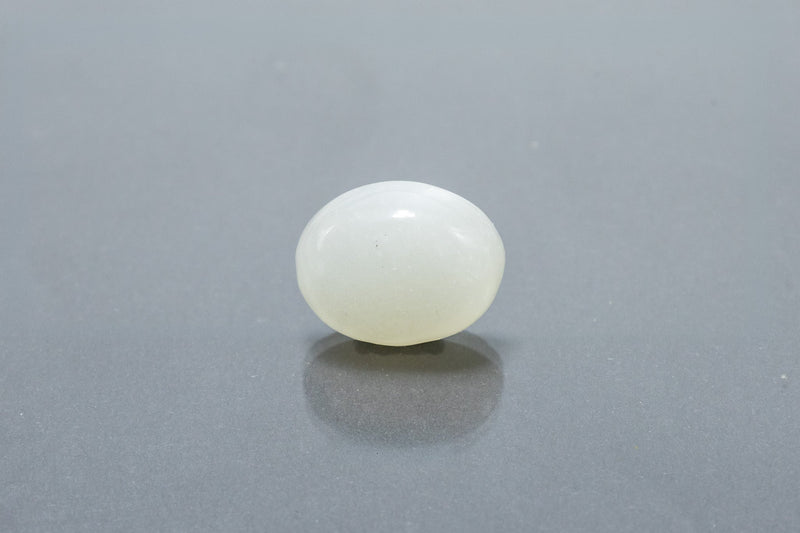
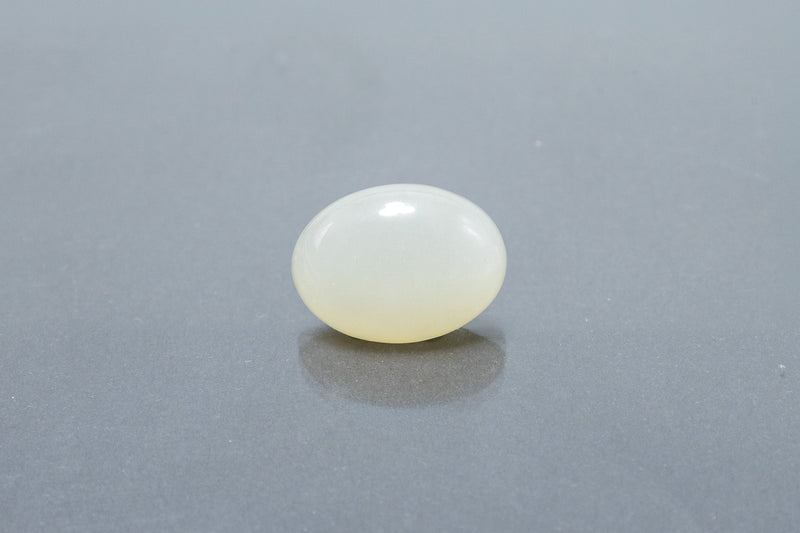
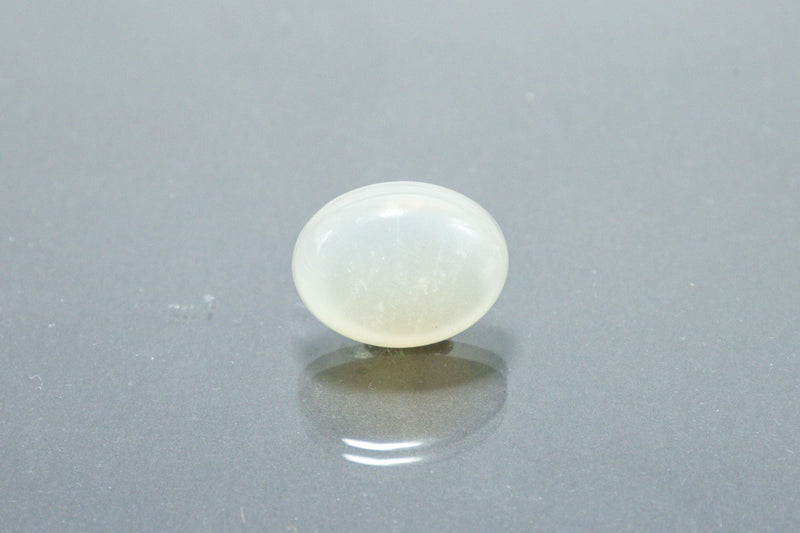
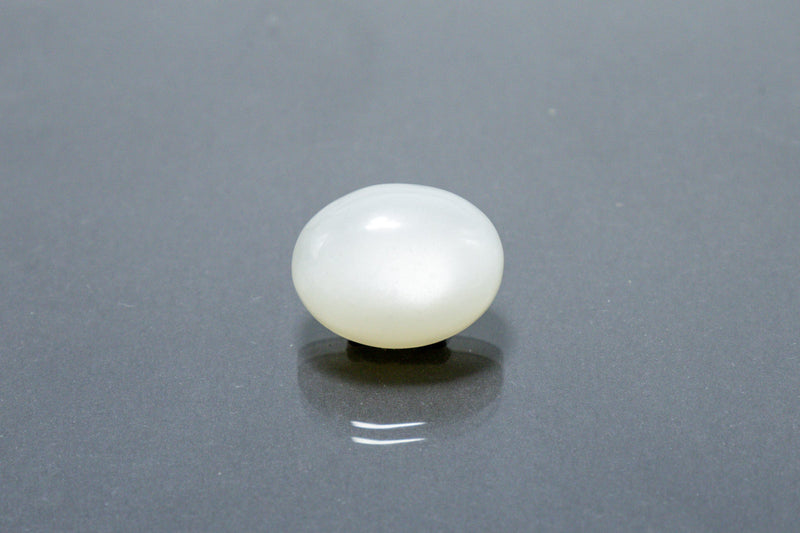
Moonstone is known for its soft glow and beautiful adularescence, creating a captivating appearance. It is traditionally associated with the Moon and valued for its calming qualities.
Calmness & Balance | Intuition | Emotional Harmony | Peace

Moon Stone
Moonstone is known for its soft glow and beautiful adularescence, creating a captivating appearance. It is traditionally associated with the Moon and valued for its calming qualities.
Calmness & Balance | Intuition | Emotional Harmony | Peace
Govt. Lab Certified
IGI / IEGL Certificate (Options Available)
Free Energization
Vedic mantra se energized
100% Money-Back
If found treated, double refund
Insured Delivery
Free shipping, 2-4 days pan-India
 20% OFF
 20% OFF
 20% OFF
 20% OFF
Need Help Choosing a Gemstone?
Have questions about a gemstone, its quality, colour, clarity or specifications? Our gemologist can help you understand the details before you buy.
About Moonstone
Moonstone — or Chandrakant stone as it's called in the world of Vedic astrology — is one of those rare gems that genuinely earns its reputation. Named after the moon itself, this semi-precious gemstone belongs to the feldspar mineral family and is best known for that ethereal inner glow it produces when light passes through it. Gemologists call that optical effect adularescence — a soft, billowing light that seems to float just beneath the surface of the stone, almost like moonlight trapped in crystal.
That visual quality isn't just beautiful. In astrology, it's considered a direct reflection of the gem's connection to Chandra (the Moon planet). The moon in Vedic astrology governs the mind, emotions, intuition, and the feminine energy within all of us. Naturally, the moonstone gemstone — being the moon's own stone — carries those same energies.
Historically, both ancient Romans and Greeks held moonstone in high regard, associating it with their lunar deities. In Indian astrology, it's known as the upratna (substitute gem) for pearl, making it an accessible but genuinely powerful alternative for strengthening the moon's influence in one's horoscope.
The moonstone stone comes in many forms — white moonstone, rainbow moonstone, blue moonstone, peach moonstone, black moonstone, and more — each with slightly different energetic qualities, though all governed by the same lunar force.
If you're someone who is drawn to gems with real meaning, real metaphysical depth — moonstone crystal is hard to ignore.
Who Should Wear Moonstone
This is honestly one of the most common questions I get, and the short answer is: moonstone gemstone works for a wide range of people, but it works best for specific individuals.
Cancer zodiac natives are the primary beneficiaries. Since Cancer is ruled by the Moon, wearing a natural moonstone strengthens the planetary energies already present in their chart. It deepens their natural intuition, balances their emotional sensitivity, and helps them stay grounded during the emotional highs and lows they're known for.
Beyond Cancer, here's who tends to benefit most from wearing moonstone:
- People with a weak or afflicted Moon in their birth chart. If your horoscope shows the Moon in a malefic position — causing restlessness, mood swings, anxiety, disturbed sleep, or a general sense of emotional instability — moonstone is one of the first gems an astrologer would consider. It helps pacify the negative effects and channels the moon's positive qualities instead.
- Women going through major life transitions. Pregnancy, menopause, or any period of significant hormonal change — moonstone has traditionally been considered a master healer for women in these phases. It's not just folklore; generations of astrologers and healers have recommended it specifically for feminine wellbeing.
- Aries, Leo, Scorpio, Sagittarius, and Pisces ascendants can also wear moonstone, but only after consulting a qualified astrologer who can evaluate whether the Moon is a benefic planet for your specific Lagna (ascendant).
- Creative people, healers, and spiritual seekers Tarot readers, meditators, artists, counselors — people in fields where intuition and emotional intelligence matter will often find that moonstone sharpens those senses naturally.
- Frequent travelers Moonstone has long been called the 'Traveler's Stone.' It's traditionally worn as a protective talisman for those who are often on the move.
One thing I always tell people — don't just wear any gemstone based on what you read online. The moon's placement in your specific birth chart matters. A quick consultation with an experienced astrologer before you start wearing natural moonstone is always worth it.
How to wear it: Traditionally, moonstone should be worn on a Monday evening, set in silver, on the little finger or ring finger of the right hand. Before wearing, the stone should be cleansed with Ganga jal or fresh milk and activated by chanting the moon mantra — 'Om Chandraya Namah' — 108 times.
Benefits of Wearing Moonstone
Here's what wearing a real, natural moonstone can genuinely do:
- Emotional Balance and Mental Peace The moon governs the mind. A weak moon in the chart often shows up as mood fluctuations, emotional sensitivity, anxiety, or an inability to stay calm under pressure. Moonstone works directly on this — it helps regulate emotional energy, reduces the frequency of mood swings, and creates a quiet inner steadiness that's hard to describe but easy to notice once it kicks in.
- Strengthened Intuition This is where moonstone really sets itself apart. It activates the third eye chakra and crown chakra, which are associated with intuition, inner knowing, and spiritual awareness. People who meditate regularly often find that moonstone deepens their practice considerably.
- Hormonal and Reproductive Health In Vedic healing traditions, the moon governs fluids and the feminine reproductive system. Natural moonstone is frequently recommended for women dealing with PMS, irregular cycles, PCOD, fertility-related concerns, or the challenges of pregnancy and postpartum recovery. It's also said to support hormonal balance more broadly — for both men and women.
- Relief from Stress and Anxiety Moonstone crystal has a genuinely calming effect on the nervous system. Astrologers note that when the moon is afflicted in a chart, it often manifests as chronic anxiety, overthinking, or an overactive mind. Moonstone helps bring those energies back into balance.
- Heart Chakra Activation and Better Relationships Natural moonstone opens the heart chakra, making it easier to give and receive love, to express emotions clearly, and to build deeper, more trusting connections. It's long been considered a stone of love and compassion — not in a superficial sense, but in the sense of genuine emotional openness.
- New Beginnings and Personal Growth Moonstone is strongly associated with the idea of fresh starts. Just as the moon cycles through phases, moonstone helps its wearer move through personal transitions with more grace — whether that's a career change, a relationship shift, or simply the desire to become a better version of yourself.
- Protection for Travelers Wearing a moonstone mala, moonstone bracelet, or moonstone pendant is a traditional practice for those who travel often. The stone is believed to keep the wearer safe and to ward off negative energies encountered on the road.
- Blood Purification and Physical Wellbeing Some traditional practitioners also attribute blood-purifying qualities to moonstone, along with support for better digestion and improved sleep quality. Insomnia linked to an overactive mind is often addressed through moon-strengthening gemstones, and moonstone is one of the primary options.
Factors That Affect the Price & Quality of Moonstone
Moonstone price varies more than people expect, and honestly, that variation matters a lot especially if you're buying for astrological purposes. A decorative stone and an astrologically effective moonstone gemstone are not the same thing.
Here are the key factors that determine moonstone quality and moonstone cost:
- Origin- Origin is the single biggest quality indicator. Sri Lankan moonstone, sometimes called Ceylon moonstone, is consistently considered the finest in the world. It's known for its exceptional transparency, strong adularescence, and overall astrological potency. Indian moonstone is also valued, as is Australian moonstone, though quality varies more widely. Stones from other sources tend to be less transparent and show weaker adularescence.
- Adularescence- The Glow This is the optical effect that defines a good moonstone stone. A high-quality stone will show a deep, blue-white sheen that appears to move as you tilt the stone. The glow should be centered, bright, and visible even in moderate lighting. Weak, surface-level shimmer usually indicates a lower-grade stone that may also carry less astrological value.
- Transparency and Clarity- The best quality natural moonstone is semi-transparent to translucent, with minimal inclusions visible to the naked eye. Opaque stones are generally lower quality. For astrological use specifically, clarity matters, a heavily included or cloudy stone is considered less effective at channeling planetary energies.
- Color- White moonstone and blue moonstone tend to command the highest prices for astrological purposes, especially when they show strong adularescence. Rainbow moonstone, peach moonstone, and green moonstone each have their own appeal; some buyers prefer them for aesthetic reasons, while others select based on their specific chakra or energetic associations. Cat's eye moonstone is relatively rare and priced accordingly.
- Cut and Shape- Moonstone is almost always cut as a cabochon (dome-shaped) because this cut best displays the adularescence effect. A well-cut moonstone cabochon will center the glow perfectly when worn. Faceted moonstone exists but is less common and frankly less effective at showcasing what makes moonstone special in the first place.
- Carat Weight- Larger stones naturally cost more per carat. In Vedic astrology, gemstone weight is linked to body weight; a common recommendation is 1 ratti (approximately 0.91 carats) per 12 kg of body weight. So the weight you need may actually be prescribed rather than just a personal preference.
- Natural vs. Treated or Synthetic- This is critical. Real moonstone price from a genuine source will always be higher than mass-market options, and there's a reason for that. Treated or synthetic moonstones have no astrological value, full stop. Always buy from sellers who provide a certificate of authenticity and can tell you where the stone came from.
Types of Moonstone (Based on Origin, Color, and Variety)
Moonstone isn't just one thing. The types of moonstone available today span quite a range, and understanding the differences helps you make a more informed choice whether you're buying for astrological reasons, healing purposes, or simply for a piece of moonstone jewellery you'll love wearing.
Rainbow Moonstone Technically a variety of labradorite rather than true orthoclase feldspar, rainbow moonstone is one of the most popular and widely recognized types. It shows a beautiful blue and multicolor adularescence against a white or near-transparent base. It's considered a strongly protective stone and is widely worn for its calming and intuitive properties. Rainbow moonstone jewellery is also among the most aesthetically striking options available.
White Moonstone This is the classic what most people picture when they think of a moonstone crystal. It ranges from milky white to near-transparent, usually with a blue to white adularescence. White moonstone carries the strongest association with lunar energies in Vedic astrology and is the most commonly recommended type for astrological gemstone use.
Blue Moonstone Ceylon (Sri Lankan) blue moonstone is considered the most prized variety for astrological purposes. It has excellent transparency and a distinctly blue inner glow. Blue moonstone is strongly connected to calm, clarity of thought, and emotional intuition. It's harder to find in genuine high quality, which is reflected in its price.
Peach Moonstone Peach moonstone has a warm, peachy-orange tone and is particularly associated with emotional healing, self-love, and nurturing energy. It's often recommended for people going through grief, emotional trauma, or difficult relationship transitions. Peach moonstone beads are popular for healing bracelets and mala jewelry.
Black Moonstone Black moonstone (also called New Moon Stone) doesn't show the traditional adularescence but has a dark, reflective surface with subtle shimmer. It's associated with new beginnings, deep emotional protection, and grounding energy. It's different in nature from white or rainbow varieties more stabilizing than activating.
Cat's Eye Moonstone This is a relatively rare form that shows a sharp optical phenomenon called chatoyancy a thin, moving line of light across the stone's surface, resembling a cat's eye. Cat's eye moonstone is considered particularly powerful for protection and warding off the evil eye. It's priced higher than standard varieties due to its rarity.
Green Moonstone Less common but genuinely interesting. Green moonstone is connected to growth, abundance, and heart chakra healing. It's often used in energy work and is a good option for someone drawn to the moonstone family but wanting something less conventional.
Grey Moonstone Sometimes called the 'New Moon Stone,' grey moonstone is associated with perception, mystery, and seeing beyond the obvious. It's popular among people interested in psychic development and inner journeying.
Origin-Based Classification Beyond color and variety, origin significantly shapes quality:
- Sri Lanka (Ceylon): Finest quality, strongest adularescence, best for astrological use.
- India: Good variety, ranges from high to average quality.
- Australia: Known for creamy, somewhat opaque stones.
- Brazil and the US: Available but generally lower transparency.
- Madagascar: Increasingly available, quality varies widely.