

Natural Topaz
Topaz is a beautiful gemstone available in several attractive colours and admired for its brilliance and clarity. It is valued for both jewellery and traditional gemstone practices.
Confidence & Positivity | Clarity | Abundance | Personal Growth

Natural Topaz
Topaz is a beautiful gemstone available in several attractive colours and admired for its brilliance and clarity. It is valued for both jewellery and traditional gemstone practices.
Confidence & Positivity | Clarity | Abundance | Personal Growth
Govt. Lab Certified
IGI / IEGL Certificate (Options Available)
Free Energization
Vedic mantra se energized
100% Money-Back
If found treated, double refund
Insured Delivery
Free shipping, 2-4 days pan-India
 20% OFF
 19% OFF
 20% OFF
 20% OFF
 19% OFF
 20% OFF
 19% OFF
 19% OFF
 20% OFF
 20% OFF
 20% OFF
 20% OFF
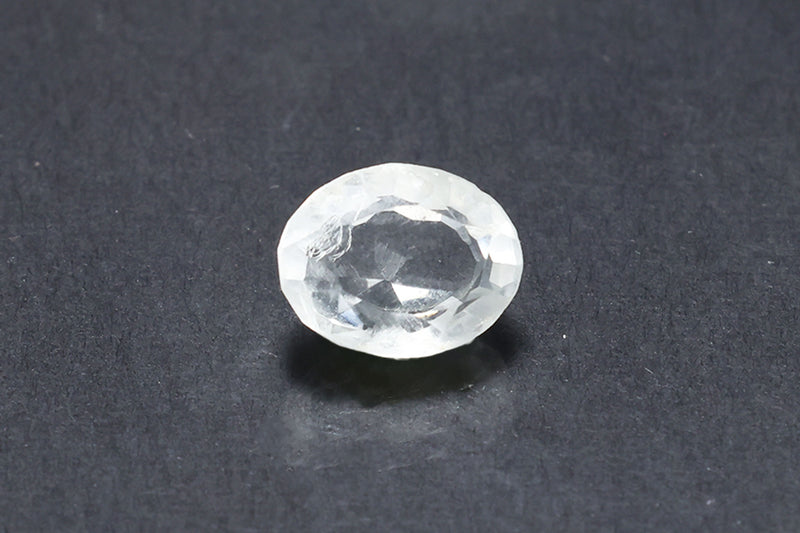 20% OFF
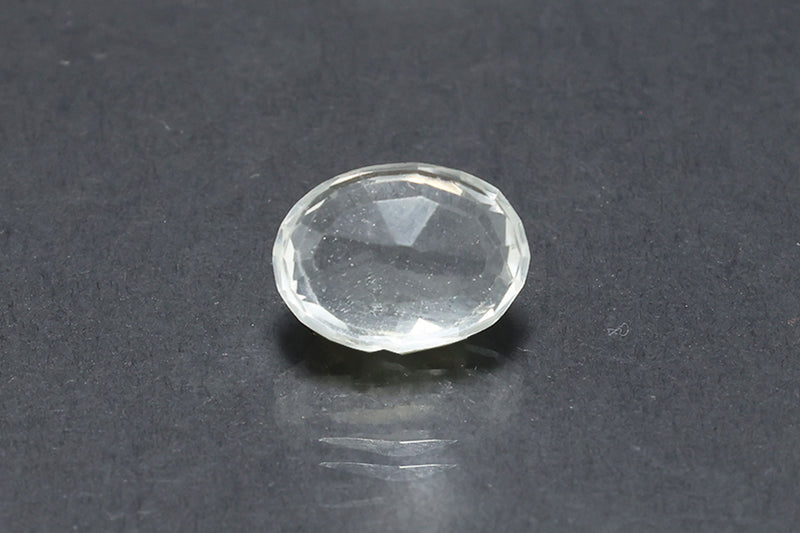 20% OFF
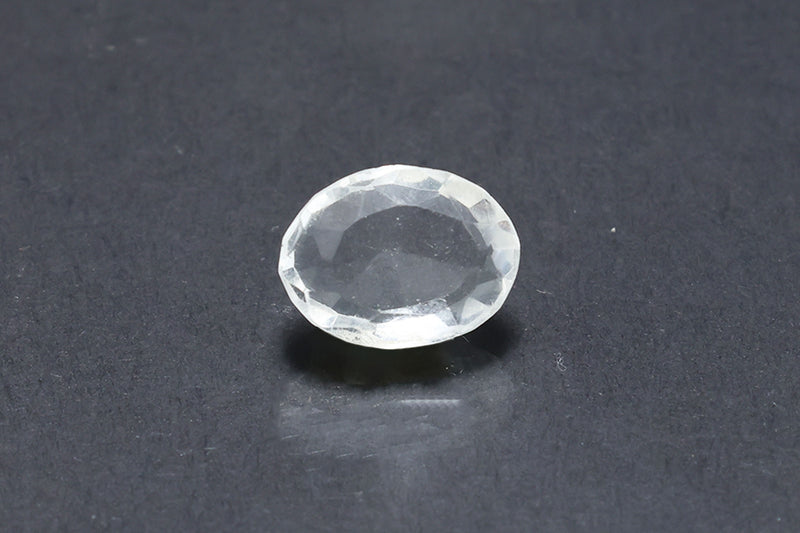 20% OFF
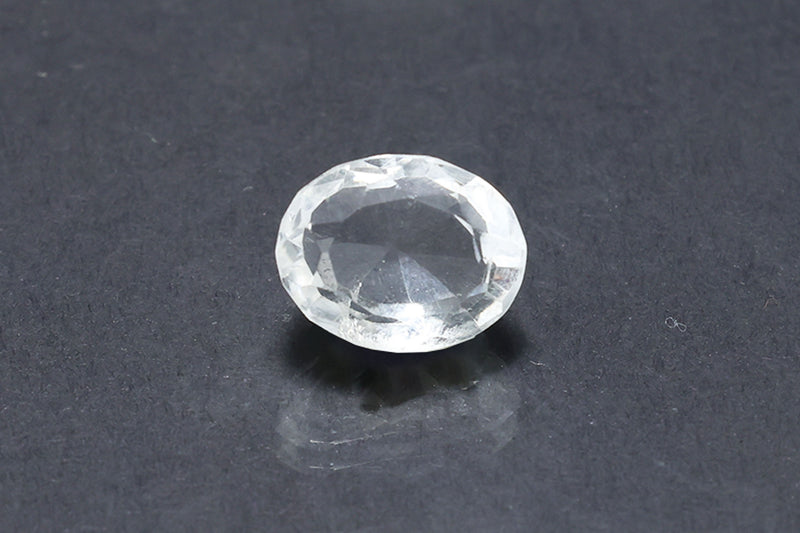 20% OFF
 20% OFF
 20% OFF
 20% OFF
Need Help Choosing a Gemstone?
Have questions about a gemstone, its quality, colour, clarity or specifications? Our gemologist can help you understand the details before you buy.
About Topaz Gemstone
Topaz belongs to the silicate mineral family, composed of aluminium, silicon, oxygen, and fluorine. Its Mohs hardness is 8, which makes it harder than most commonly used gemstones — durable enough for daily wear in rings and bracelets without worrying about surface scratches. This hardness, combined with its exceptional brilliance and wide color range, is part of why topaz stone has been valued in both astrology and jewelry for thousands of years.
Topaz color in its natural, unaltered state is actually most often colorless. The rich blues, yellows, and pinks you see in the market are the result of either natural trace elements or — more commonly — heat treatment and irradiation. For astrological purposes, natural untreated topaz stone is always the right choice, since treated stones may look visually identical but do not carry the same planetary energy.
In Vedic astrology, topaz is not assigned to a single planet. The planetary connection changes depending on the color:
- Yellow Topaz / Golden Topaz → Jupiter (Guru/Brihaspati)
- Blue Topaz → Venus (Shukra) in some traditions, and Saturn (Shani) or Jupiter in others — this varies by school
- White Topaz → Venus (Shukra)
- Imperial Topaz → Sun (Surya) in many traditions
This is why getting clear on which topaz you need before buying is so important. The wrong variety will not give you the planetary benefits you are looking for.
Topaz is found across several countries. Brazil produces the most celebrated specimens, particularly Imperial Topaz from the Ouro Preto region. Other significant sources include Russia, Sri Lanka, Pakistan, Nigeria, Mexico, and the United States. For astrological use in India, the origin matters — untreated, certified natural topaz stone from a reputable source is what makes the difference.
Who Should Wear Topaz Gemstone
Topaz gemstone is one of the more versatile stones in Vedic astrology — not because it suits everyone automatically, but because it covers multiple planets depending on which variety you wear. That makes it relevant to a wider range of people compared to a single-planet stone like Emerald or Ruby.
That said, the first and most important rule is this: always consult an astrologer before wearing any topaz stone for astrological benefit. Two people with the same sun sign can have completely opposite results from the same stone if their Jupiter, Venus, or Sun placements differ. The guide below gives you the general framework — your birth chart fills in the specifics.
Topaz is most recommended when one of its ruling planets — Jupiter, Venus, or Sun — is weak, debilitated, combust, or afflicted in your birth chart. The color you choose should match the planet that needs support. If Jupiter is the issue, Yellow or Golden Topaz is the direction. If Venus needs strengthening, Blue or White Topaz is the answer. If the Sun is poorly placed, Imperial Topaz is what most astrologers will suggest.
People going through Jupiter Mahadasha or Antardasha — especially those experiencing financial stagnation, lack of direction, or poor judgment in major decisions — respond strongly to yellow topaz gemstone. Similarly, those in Venus Dasha struggling with relationship difficulties, creative blocks, or confidence issues often find blue topaz stone or white topaz to be genuinely stabilizing.
Anyone in a Sun-related phase — feeling overlooked, lacking authority, struggling with health or public recognition — tends to do well with Imperial topaz stone, particularly when Leo is the ascendant or the Sun rules a key house in the chart.
Beyond Mahadasha periods, topaz is also widely worn by people who simply want steady support in areas governed by these planets — better financial decisions, stronger relationships, sharper thinking, more personal presence — without waiting for a specific planetary period to trigger the recommendation.
In terms of professions, topaz gemstone is particularly aligned with teachers, lawyers, judges, and advisors (Jupiter), artists, designers, and relationship counselors (Venus), and leaders, administrators, and public figures (Sun). If your work falls under any of these domains and the corresponding planet is even slightly weak in your chart, topaz is worth considering.
Weight guideline: a minimum of 1/10th of your body weight in carats is the standard recommendation. A 60 kg person would wear approximately 6 ratti (around 5.5 carats).
Benefits of Wearing Topaz Gemstone
The benefits of topaz depend on which variety you are wearing and which planet it connects to in your chart. That said, certain qualities appear consistently across most topaz varieties.
1. Clarity of Thought and Better Decision-Making
This is the one benefit that comes up regardless of the topaz color. Whether you are wearing yellow topaz gemstone for Jupiter's wisdom or blue topaz stone for Venus's clarity, the impact on mental focus is noticeable. People who wear topaz stone regularly describe a reduction in mental scatter — decisions that felt impossible before seem clearer. This is not a sudden transformation; it builds over a few weeks of consistent wear.
2. Financial Stability and Career Growth
Yellow topaz gemstone is directly linked to Jupiter, the planet of abundance, growth, and opportunity. Wearing golden topaz stone during a weak Jupiter phase tends to open up professional doors that seemed stuck — job opportunities, business deals, recognition from senior figures in your field. The effect is most pronounced for people in law, teaching, finance, and advisory roles, all of which fall under Jupiter's domain.
3. Wisdom and Academic Success
Jupiter governs learning, knowledge, and higher understanding. For students preparing for competitive exams or professionals who need sharp analytical thinking, yellow topaz stone works as a steady support. It does not create intelligence where none exists — but it sharpens what is already there and makes it easier to stay focused and retain information.
4. Emotional Balance and Relationship Harmony
Blue topaz gemstone and white topaz gemstone, both Venus-connected, carry a softening energy that works on emotional patterns and relationship dynamics. People going through difficult phases in marriage, recovering from heartbreak, or struggling with self-worth find these varieties particularly useful. The effect is gentle — not an emotional on/off switch, but a consistent, background stabilizer.
5. Confidence, Vitality, and Leadership
Imperial topaz stone, linked to the Sun, works on the qualities the Sun governs — self-confidence, authority, physical vitality, and public presence. People who feel overlooked, underpowered, or whose personality dims when they need it most tend to respond well to Imperial topaz gemstone. It builds the internal solidity from which confident behavior naturally flows.
6. Improved Communication and Self-Expression
Blue topaz stone is particularly associated with the Throat Chakra, which governs how we express ourselves — in writing, speech, and creative work. People who struggle to articulate what they mean, who get nervous in presentations, or who feel their natural charisma gets blocked by anxiety often find blue topaz gemstone useful. The improvement is gradual but visible.
7. Protection from Negative Influences
Across multiple traditions, topaz gemstone has been used as a protective stone against negative energy, deceit, and psychic disturbances. This quality is strongest in Imperial topaz and Golden topaz varieties. In ancient times, it was worn by travelers as protection and by rulers as a guard against conspiracy and betrayal.
8. Physical Health Support
Yellow topaz is associated with liver health, digestion, and metabolic function — all areas Jupiter governs in Ayurvedic body typing. Blue topaz stone is linked to throat and communication-related health issues. White topaz is said to support kidney function. These are supplementary benefits — never a substitute for medical care, but a supportive addition to overall wellness routines.
Factors That Affect the Price & Quality of Topaz
Topaz spans one of the widest price ranges of any gemstone — from a few hundred rupees per carat for common treated varieties to tens of thousands for rare natural specimens. Understanding what drives that difference helps you make a smarter purchase and avoid overpaying for low-quality material or underpaying and ending up with something that has no astrological use.
1. Color — The Most Important Factor
Color is the single biggest quality determinant for topaz gemstone, more than any other factor. Within each variety, richer and more saturated color always commands a higher price. A stone that is pale, washed out, or uneven in tone is lower grade — regardless of its size.
The rarity of the color also matters at the category level. Natural pink and red topaz stone are among the rarest and most valuable. Imperial Topaz — with its vivid orange-to-pinkish-orange body color — sits at the top of the price ladder among all topaz varieties. Yellow and Golden Topaz in deep, saturated hues command mid-to-high pricing. Blue topaz, while visually popular, is the most affordable because it is almost always treated — the blue color comes from irradiation and heat treatment applied to colorless rough. This treatment is standard industry practice for jewelry, but for astrological use, it matters. Natural untreated topaz stone is always preferred.
Color consistency also affects topaz price per carat significantly. A stone that shows good saturation from all angles is worth more than one that looks rich from one direction and pale from another.
2. Clarity
Topaz is expected to be eye-clean — that is, free of visible inclusions when viewed with the naked eye. This is the standard for most topaz varieties, and stones that fall below it are priced accordingly. For astrological use, eye-clean is the minimum you should accept. A stone with visible cracks, haziness, or cloudy patches does not just reduce visual appeal — it affects how the stone interacts with light and, from an astrological standpoint, its energetic output.
3. Cut
A well-cut topaz stone shows sharper brilliance, better color distribution, and more uniform light return. Poor cutting dulls even a high-quality topaz. The cut also matters for astrological wearing — the stone needs to sit properly in its setting so it makes contact with the skin. Faceted cuts (oval, cushion, round, pear) are standard for jewelry use. Blue topaz cabochon cuts are used for astrological pieces where maximum skin contact is preferred.
Raw topaz and rough topaz are available at significantly lower prices and are primarily used in crystal healing — not for formal astrological wearing.
4. Carat Weight
Topaz price per carat increases with size, particularly in rarer colors. Cost of topaz stone for a large Imperial topaz can be several times the per-carat price of a smaller stone of the same quality — because large, clean, vivid Imperial specimens are genuinely hard to find. For common blue and yellow varieties, the size premium is less steep since both are available in large sizes from natural deposits and from treated material.
For astrological use, the weight you need is determined by your body weight, not by what looks impressive. The standard guideline is 1/10th of your body weight in carats.
5. Natural vs. Treated
This distinction matters more for topaz than almost any other gemstone because treatment is so widespread in this category. Virtually all commercial Blue Topaz is irradiated and heat-treated. Some Yellow Topaz is also heat-treated to improve color. For astrological use, natural untreated topaz stone is always required — treated stones carry no planetary energy regardless of how good they look.
For Yellow, Golden, and Imperial Topaz, always ask for a certificate from a recognized gemological lab specifying no heat treatment. For Blue Topaz, confirm with your astrologer whether treated material serves the astrological purpose or whether a different Venus stone is more appropriate.
Lab grown topaz and synthetic imitations are available but have no place in astrological use. Always ask for IGI, GIA, or a trusted Indian lab certificate before purchasing.
6. Origin
Brazilian topaz — particularly Imperial Topaz from Ouro Preto — is the most prized globally. Russian and Sri Lankan topaz are also highly regarded. For general astrological use, origin from a reliable region plus independent certification matters more than any one origin claim.
Types of Topaz Gemstone
Topaz comes in more varieties than most people realize, and knowing the difference matters — especially for astrological use. Here is a clear breakdown of every major type.
1. Blue Topaz
Blue Topaz is the most commercially popular topaz variety and is linked to Venus (Shukra) in Vedic astrology — used as a substitute for Diamond. It comes in three shades: London Blue (deep, inky), Swiss Blue (bright, vivid), and Sky Blue (pale, light). In Hindi, it is called Neela Pukhraj or Neelmani. Blue topaz is the December birthstone in Western astrology.
2. Yellow Topaz / Golden Topaz
Yellow Topaz and Golden Topaz are Jupiter-ruled stones used as substitutes for Yellow Sapphire (Pukhraj). Yellow topaz gemstone ranges from pale lemon to deep amber-gold — the richer the color, the higher the astrological value. In Hindi, it is called Pukhraj or Peela Topaz. It is the traditional November birthstone and is closely associated with Sagittarius in both Vedic and Western astrology.
3. Imperial Topaz
Imperial Topaz is the rarest topaz variety, with a rich orange-yellow to pinkish-orange color — sometimes showing a red overtone. The finest specimens come from Ouro Preto, Brazil. In astrology, Imperial Topaz gemstone is connected to the Sun (Surya) and is recommended for those with a weak or afflicted Sun in their birth chart. Imperial topaz price is significantly higher than any other variety.
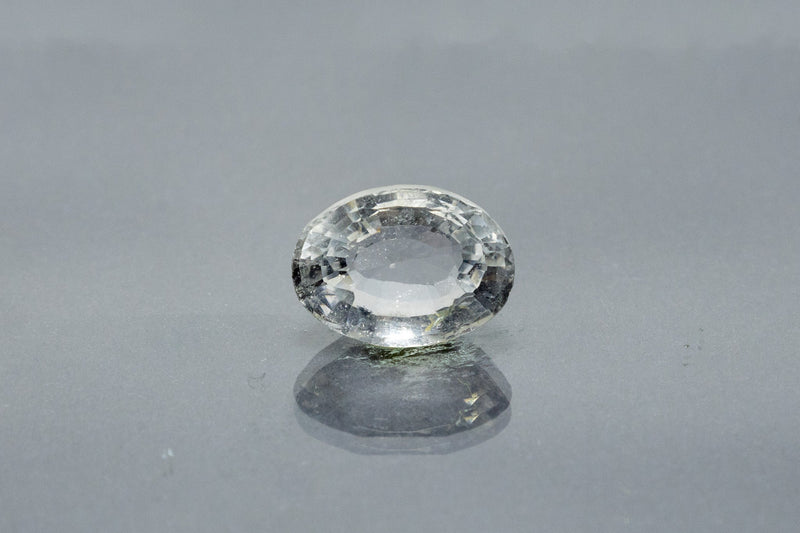
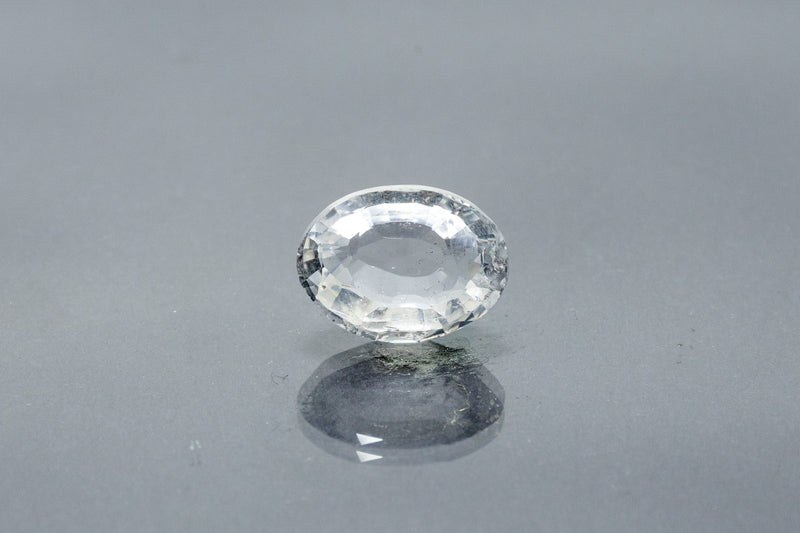
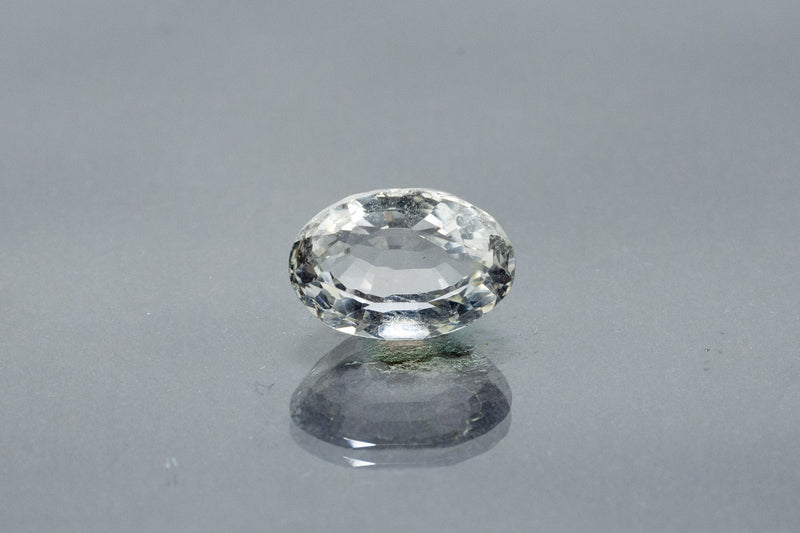
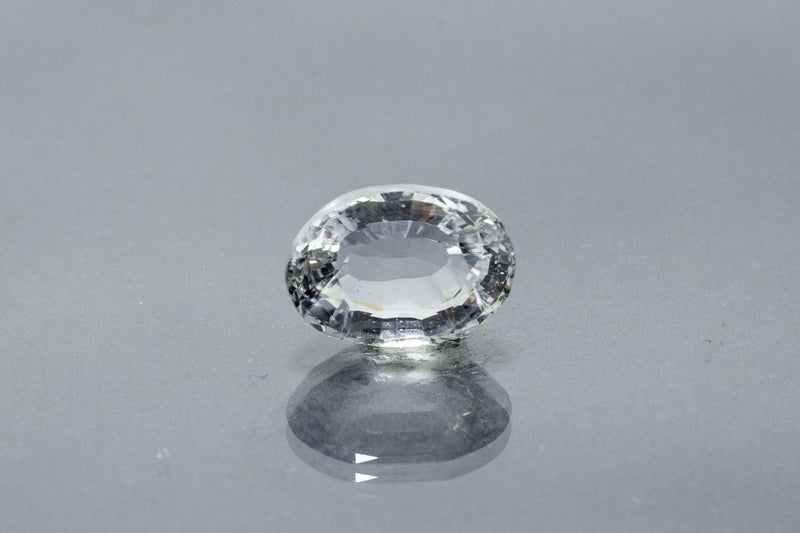
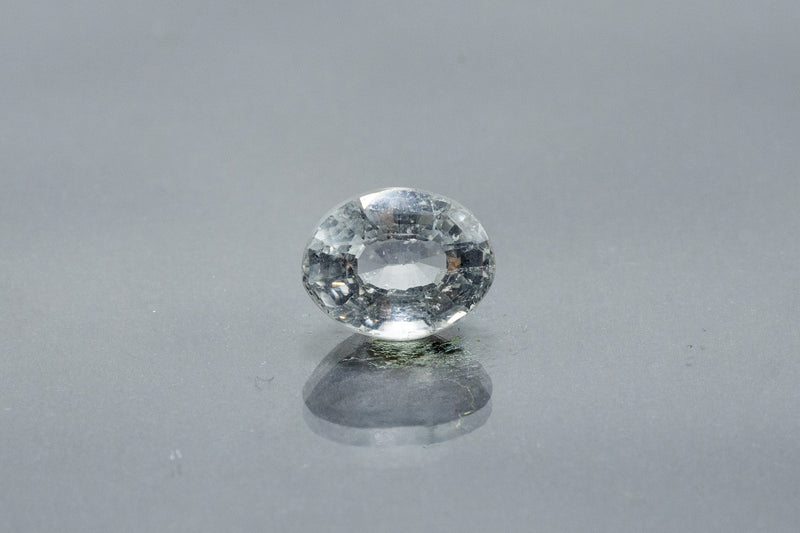
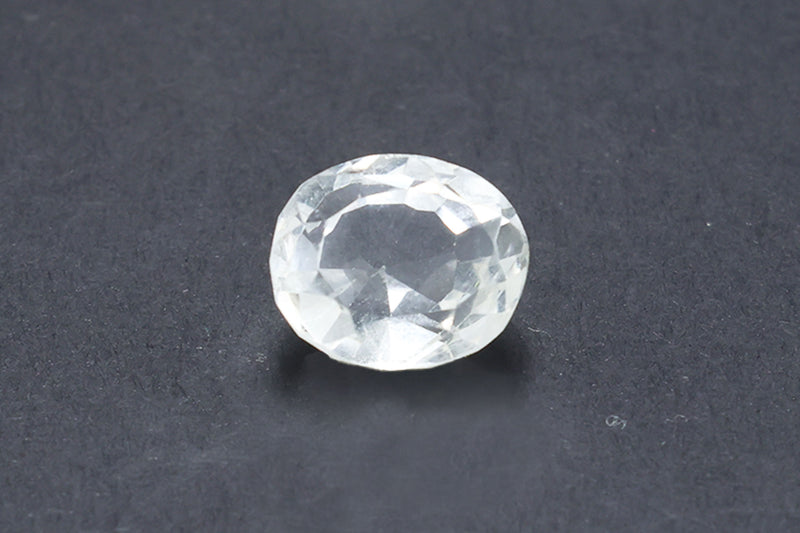
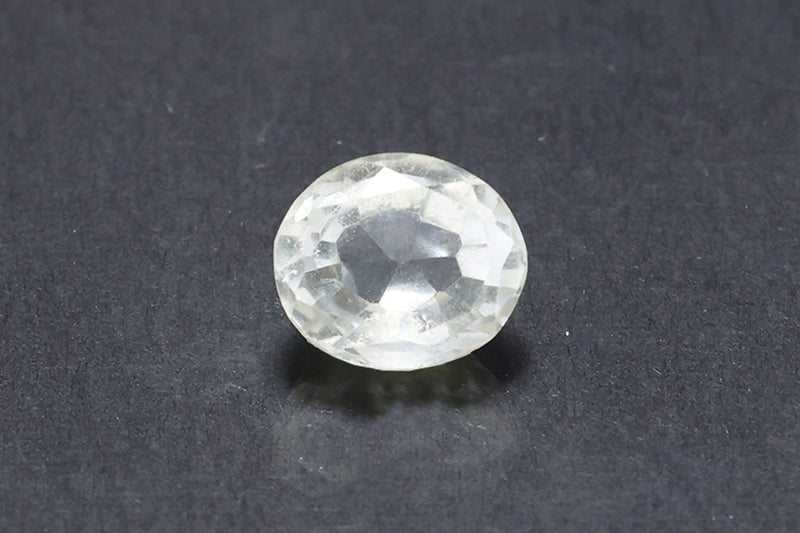
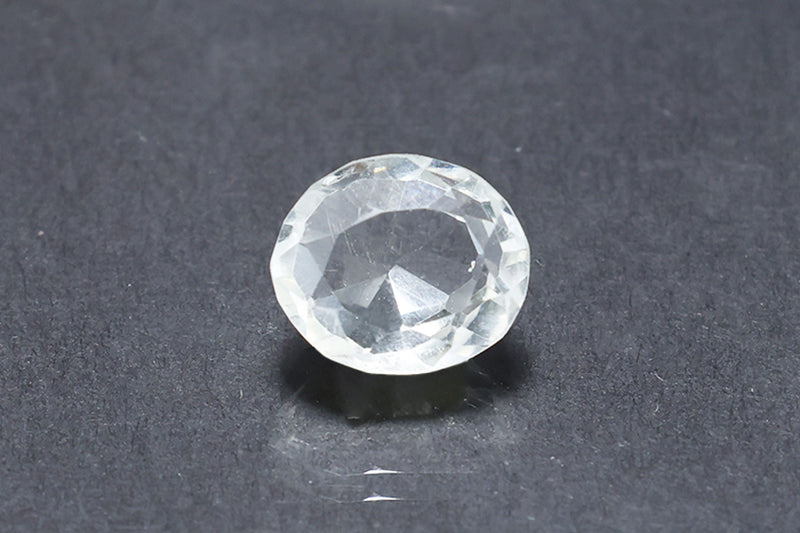
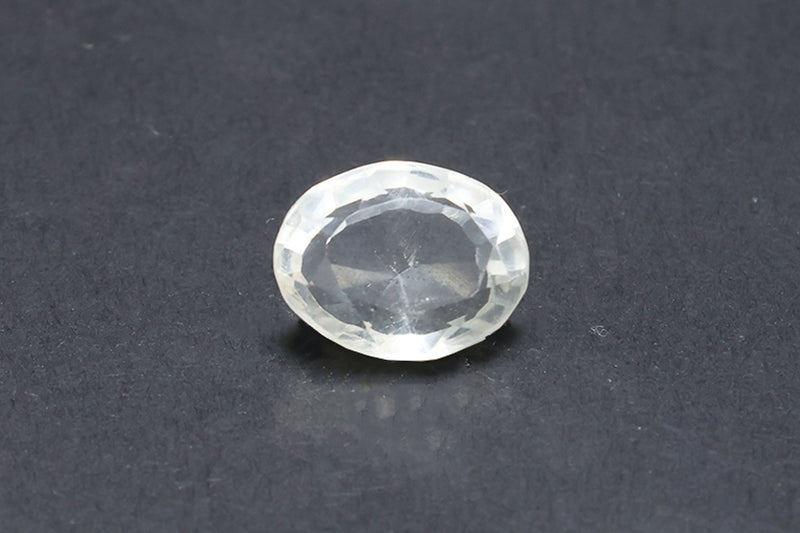
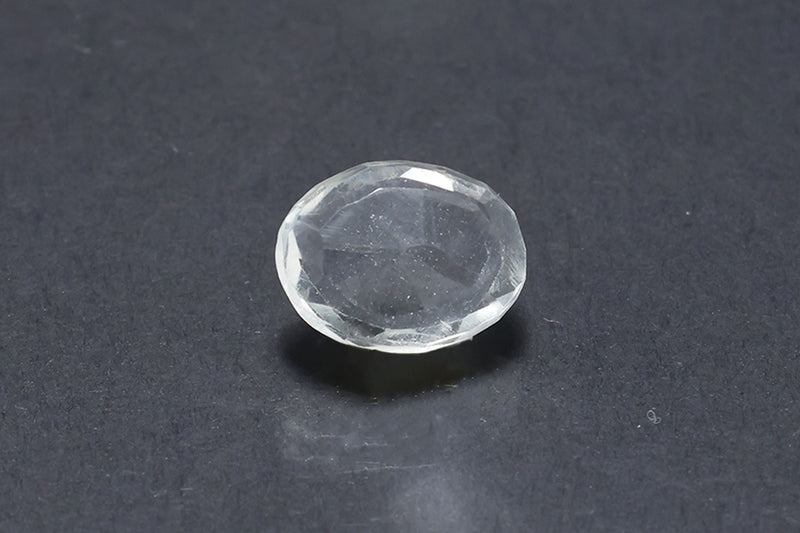
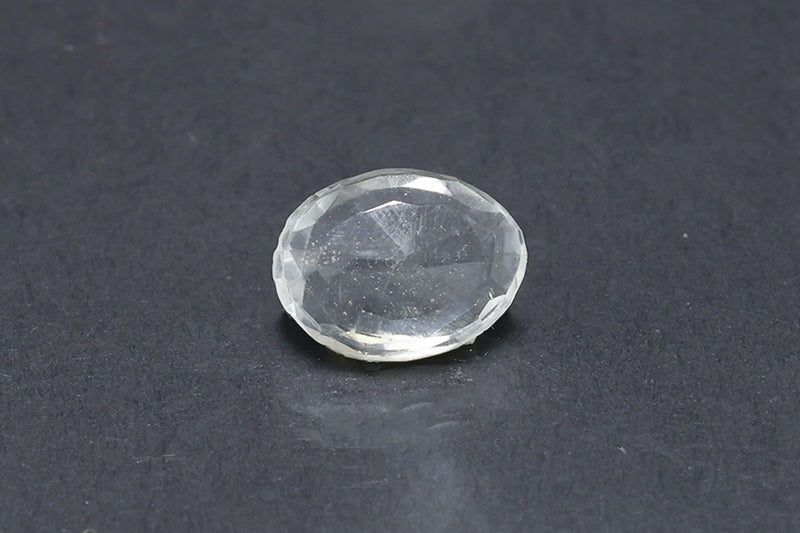
4. White Topaz
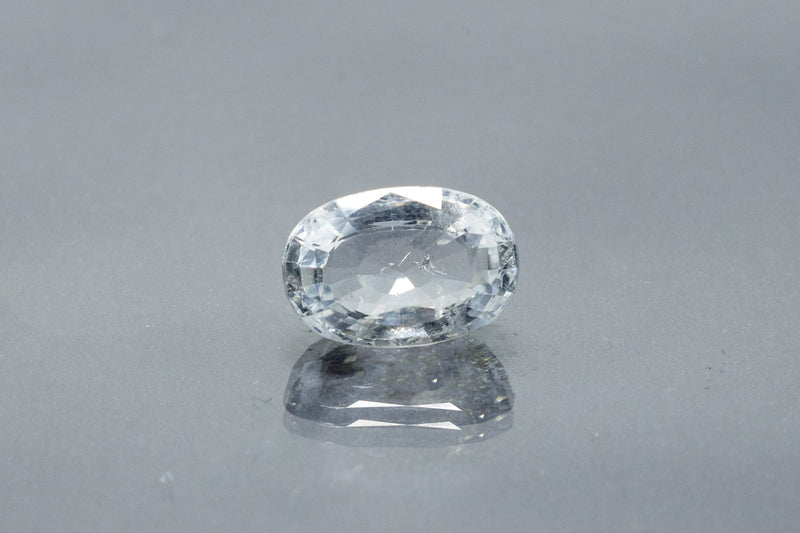
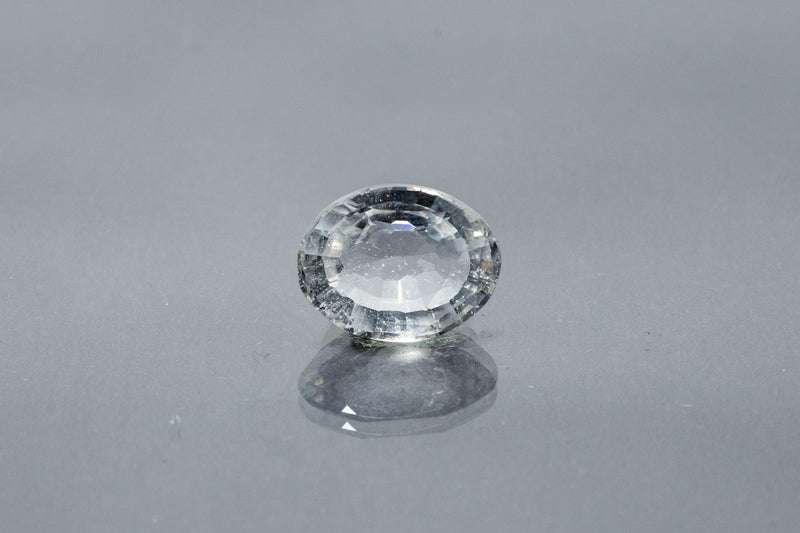
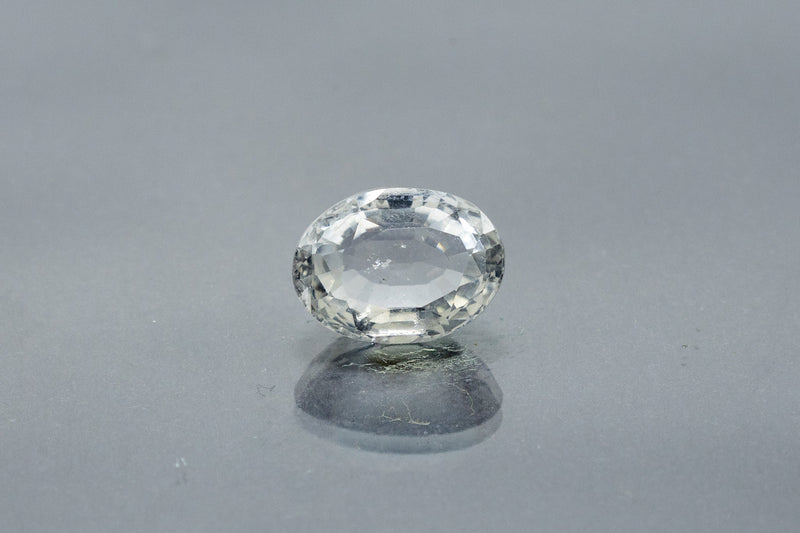
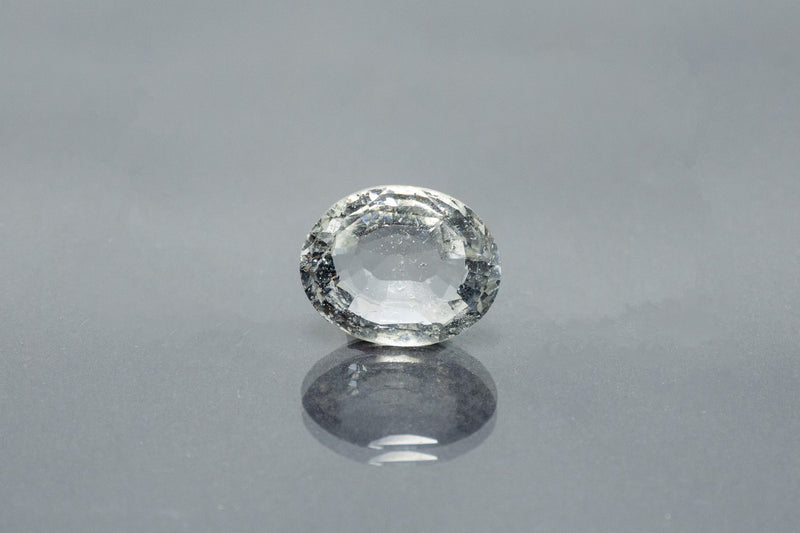
White Topaz is colorless, transparent, and resembles Diamond when well-cut. It is linked to Venus (Shukra) and is one of the most widely recommended Diamond substitutes in Vedic astrology. White topaz stone is accessible in price while still carrying genuine Venus energy. It suits everyday jewelry as well as astrological rings. Most white topaz in the market is naturally colorless or minimally treated.
5. Mystic Topaz
Mystic Topaz is not a natural variety — it is colorless topaz coated with a thin metallic layer that creates a shifting rainbow of purples, greens, blues, and pinks. The effect is visually striking, making mystic topaz gemstone popular for fashion jewelry. For astrological use it is not recommended, since the surface coating removes any consistent planetary energy the base stone might otherwise carry.
6. Pink Topaz
Natural Pink Topaz is rare and connected to Venus energy — love, self-worth, emotional healing, and beauty. The deeper the rose or magenta tone, the higher its astrological and market value. Most cheap pink topaz in the market is either dyed or coated, not natural. Always ask for a gemological certificate confirming natural color before buying pink topaz for any astrological purpose.
7. Smoky Topaz
Smoky Topaz has a brownish-grey to smoky grey tone and is sometimes sold as a lower-cost alternative to Smoky Quartz. It is not a mainstream astrological recommendation in Vedic practice. People working with Saturn-linked grounding energies occasionally use it, but smoky topaz stone should only be worn on the confirmed advice of a qualified astrologer — not as a general purchase.
8. Lemon Topaz
Lemon Topaz is a pale, citrus-yellow variety sometimes confused with Lemon Quartz in the market. It falls loosely under Jupiter's color family, though it is considered a lighter version of Yellow Topaz. Astrologically, it is used occasionally as a budget Jupiter stone, but yellow topaz stone with deeper color saturation is always preferred for stronger and more reliable planetary benefit.
9. Champagne Topaz
Champagne Topaz refers to stones with warm golden-beige to light brown tones — sitting between yellow and brown. Popular in jewelry for its earthy warmth, champagne topaz is not a standard astrological recommendation in Vedic practice. It is loosely grouped with golden topaz at times but lacks a strong classical planetary association. Confirm with your astrologer before using it for any specific planetary remedy.
10. Orange Topaz
Orange Topaz sits between yellow and Imperial Topaz in color and carries a mix of Sun and Jupiter energy. A rich, saturated orange topaz stone can serve as an accessible alternative for Sun-related remedies when Imperial Topaz is too expensive. It is not a primary astrological recommendation on its own, but works well as a supporting stone in specific birth chart situations.
11. Red Topaz
Red Topaz is the rarest of all natural topaz colors — less than half of one percent of facet-grade topaz is naturally red. Truly red specimens are collector gems that command prices comparable to fine rubies. In astrology, red topaz is connected to Sun and Mars energy. It is rarely used as a primary stone due to extreme rarity, but is deeply prized where found.
12. Green Topaz
Green Topaz is a rare variety and is not a standard Vedic astrological stone. Some crystal healing practitioners loosely associate it with Mercury energy, similar to Emerald, but this is not supported by classical Jyotish texts. Green topaz gemstone is mainly a collector's stone valued for its unusual color. If you are considering it for planetary use, always consult a qualified astrologer first.
13. Purple Topaz
Purple Topaz ranges from light lilac to deep violet. Natural purple topaz is uncommon — most purple stones in the market are treated. It is not a mainstream astrological gem in Vedic practice, though some practitioners connect its violet energy to Saturn or higher spiritual development. As with all treated topaz varieties, purple topaz is not recommended for formal astrological wearing without professional guidance.