

Tourmaline
Tourmaline is a versatile gemstone available in a wide range of colours, making every stone visually unique. It is admired for its brilliance, colour, and natural beauty.
Balance & Positivity | Creativity | Confidence | Emotional Harmony

Tourmaline
Tourmaline is a versatile gemstone available in a wide range of colours, making every stone visually unique. It is admired for its brilliance, colour, and natural beauty.
Balance & Positivity | Creativity | Confidence | Emotional Harmony
Govt. Lab Certified
IGI / IEGL Certificate (Options Available)
Free Energization
Vedic mantra se energized
100% Money-Back
If found treated, double refund
Insured Delivery
Free shipping, 2-4 days pan-India
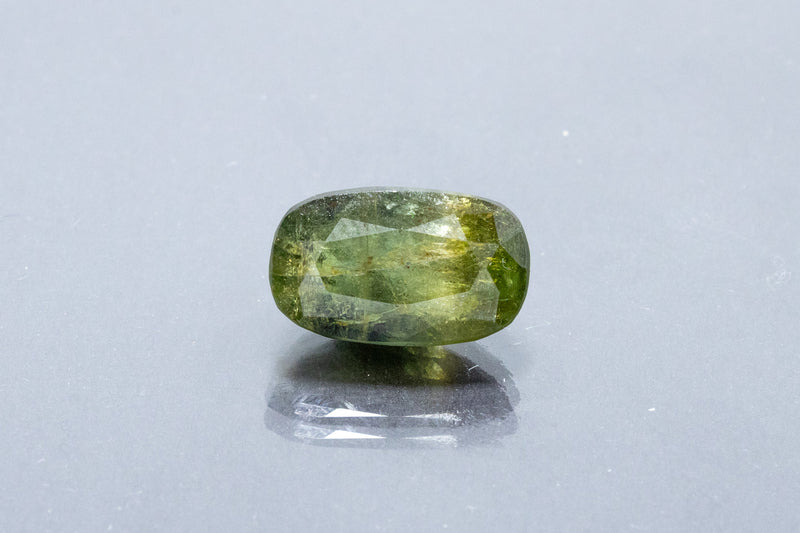 20% OFF
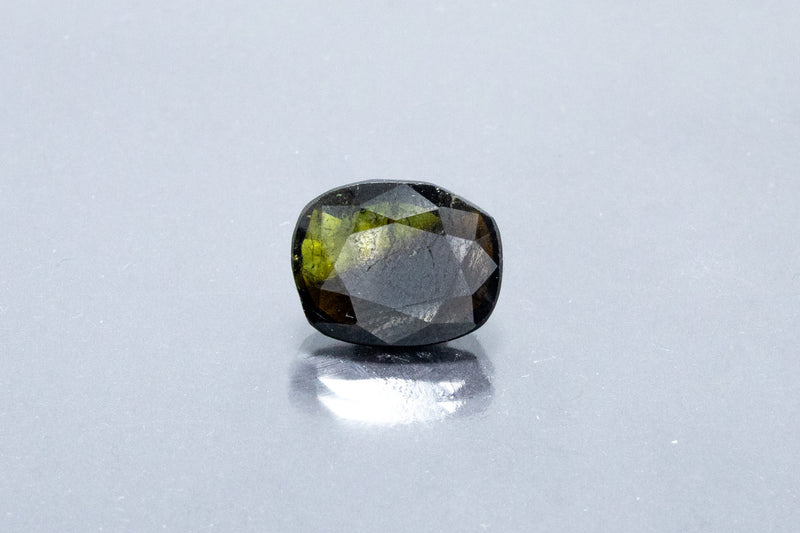 20% OFF
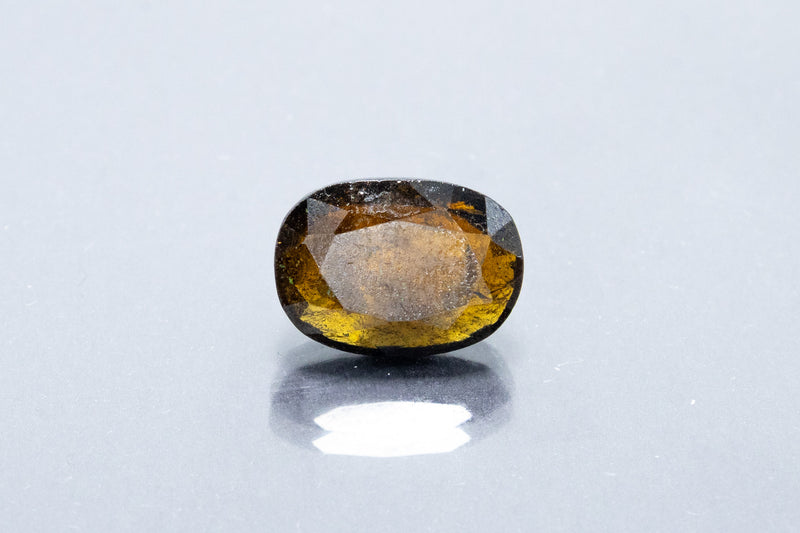 20% OFF
Need Help Choosing a Gemstone?
Have questions about a gemstone, its quality, colour, clarity or specifications? Our gemologist can help you understand the details before you buy.
About Tourmaline Gemstone
Most gemstones come in one colour. Tourmaline comes in virtually every colour the human eye can perceive — sometimes several at once, in the same stone. That alone makes it unlike anything else in the gem world. But the reason tourmaline has earned serious respect in Vedic astrology goes deeper than its visual range.
The name itself traces back to the Sinhalese word turmali — loosely translated as 'stone of mixed colours.' In Hindi and Urdu, it's known as Turmali stone or Turmali ratna. And true to that name, a single tourmaline crystal can contain three or four distinct colour zones running through it. The watermelon tourmaline — green on the outside, pink at the centre — is the most dramatic example of this, and it's become one of the most recognisable gemstones in the world as a result.
In Vedic astrology, tourmaline is primarily associated with Mercury (Budh) and Saturn (Shani), with specific colour varieties also connecting to Venus (Shukra) — pink and green tourmaline specifically. Green tourmaline functions as the upratna (substitute gem) for Emerald (Panna), making it one of the most accessible alternatives for Mercury-related remedies. Black tourmaline connects to Saturn's protective and grounding energy. Pink tourmaline carries Venus's domain of love, beauty, and emotional healing.
The October birthstone in Western astrology is shared between opal and tourmaline — tourmaline being the modern addition, while opal holds the traditional position. October-born individuals and Libra and Scorpio zodiac natives are considered especially compatible with this stone across both Western and Vedic traditions.
Tourmaline deposits exist across the world — Brazil is the most prolific and the source of the legendary Paraiba variety. Other notable origins include Nigeria, Mozambique, Afghanistan, Pakistan, India, Madagascar, Burma, and the United States. Each origin produces stones with distinct character, colour, and quality signatures.
Who Should Wear Tourmaline Gemstone
Tourmaline is one of the more versatile gemstones in Vedic astrology — it connects to Mercury, Saturn, and Venus depending on colour, which means it suits a fairly wide range of people. That said, 'works for many' doesn't mean 'works for everyone without thought.' Here's who genuinely benefits.
In Vedic astrology, tourmaline is primarily recommended for Gemini (Mithun Rashi) and Virgo (Kanya Rashi) natives, as both signs are ruled by Mercury — the primary planet this gemstone serves. For these two signs, tourmaline strengthens intellectual sharpness, communication, business acumen, and mental clarity. People with a weak or afflicted Mercury in their birth chart also benefit significantly, regardless of their sun sign — weak Mercury often shows up as poor decision-making, inconsistency in work, speech difficulties, and trouble in business or trade.
Libra (Tula) and Scorpio (Vrishchik) natives are the Western astrological primary candidates since tourmaline is the October birthstone, shared with opal. Astrologically, Libra natives tend to connect well with tourmaline's heart-centred and relationship-harmonising energy.
Aries, Cancer, Leo, and Scorpio ascendants can also wear tourmaline when their chart specifically supports it — these signs aren't primary beneficiaries, but tourmaline's gentle nature means it rarely causes adverse reactions. A brief chart consultation is enough to confirm compatibility.
Beyond zodiac signs, tourmaline genuinely suits people in certain life situations regardless of their rashi — people going through Mercury Mahadasha or Antardasha, those dealing with persistent negative energy or evil eye, individuals in high-stress creative or intellectual careers, students preparing for exams, and anyone who simply feels their mental clarity, emotional balance, or sense of groundedness has been off. Tourmaline's protective quality is also well-recognised — it's one of the few gemstones with a cross-cultural, centuries-old reputation for shielding the wearer's aura from external negativity.
October-born individuals find a natural affinity with tourmaline as their birthstone. For most people born this month, wearing it needs no elaborate astrological justification — the birthstone connection alone is sufficient, though a proper chart reading always gives the fuller picture.
How to Wear Tourmaline
Set tourmaline in silver or gold — silver is preferred for its protective varieties (black), gold works well for the heart-centred varieties (green, pink). Wear it on the little finger or ring finger of the right hand as a ring, or as a pendant so the stone remains in contact with the skin. The ideal day to wear tourmaline for the first time is Wednesday morning (for Mercury connection) between 6–8 AM.
Before wearing, cleanse the stone by placing it in a bowl with Gangajal, fresh milk, tulsi leaves, honey, and ghee for about 10 minutes. Remove, rinse clean, and chant 'Om Budhaya Namah' 108 times before wearing. Minimum recommended weight for astrological effect is 4–6 carats, though your astrologer may give a more specific recommendation based on your chart and body weight.
Benefits of Wearing Tourmaline Gemstone
Tourmaline's benefits in astrology and healing practice are well-documented and genuinely broad — which makes sense for a stone connected to Mercury, Saturn, and Venus. Rather than being a one-note gem, it works across mental, emotional, physical, and spiritual planes. Here's what wearing a natural tourmaline stone actually does:
- Protection from Negative Energy and Evil Eye This is tourmaline's most universally recognised benefit and the one that crosses every cultural tradition that has ever worked with this stone. Wearing tourmaline creates an energetic barrier around the wearer, absorbing harmful vibrations, psychic interference, evil eye (Nazar), and ill intentions from others before they can affect the wearer's aura. Across Vedic, Tantric, and crystal healing traditions, tourmaline is consistently cited as one of the strongest protective stones available. People who feel energetically drained after being around certain individuals, or who have been experiencing unexplained setbacks they can't attribute to any rational cause, often find noticeable relief after wearing this stone consistently.
- Strengthened Planetary Energy — Mercury, Saturn, Venus In Vedic astrology, tourmaline's primary job is to strengthen the beneficial qualities of its ruling planet in the wearer's chart. Mercury's positive qualities — sharp intellect, clear communication, business success, adaptability — get amplified. Saturn's grounding and disciplining qualities become steadier. Venus's energies of love, harmony, beauty, and emotional fulfilment flow more easily. Depending on what your chart needs, tourmaline works on the specific planetary frequency that's weak or blocked.
- Mental Clarity and Sharpened Intelligence Tourmaline is strongly associated with Mercury, the planet of the mind. Wearing it regularly helps clear mental fog, sharpens focus, and improves the quality of decision-making. Students preparing for competitive exams, professionals in intellectually demanding roles, and creative people who need to think on their feet all benefit from this quality. The improvement isn't dramatic overnight — it builds gradually, like a fog lifting over several weeks.
- Emotional Balance and Inner Stability Tourmaline works directly on emotional regulation — reducing the frequency and intensity of mood swings, calming chronic anxiety, and helping process grief and past emotional wounds. This is partly a Heart Chakra effect and partly the stone's well-known grounding influence on the Root Chakra. People who describe their inner emotional landscape as 'chaotic' or 'reactive' tend to see the most noticeable change when wearing tourmaline — a quiet steadiness that makes both daily life and high-pressure situations more manageable.
- Better Relationships and Harmony in Personal Life Since Venus is one of tourmaline's planetary connections, the stone naturally supports the areas Venus governs — love, partnership, emotional intimacy, and relational harmony. For people experiencing friction in their marriage, difficulty building close relationships, or a sense of emotional disconnection from the people around them, tourmaline encourages openness, trust, and the patience that good relationships genuinely require.
- Professional Success and Business Growth Mercury governs business, trade, commerce, and communication — which means tourmaline supports anyone whose livelihood depends on these things. Lawyers, teachers, traders, writers, marketers, salespeople — this stone sharpens the very skills that professional success in these fields requires. Beyond just intelligence, it also helps with the confidence to communicate ideas clearly and to negotiate effectively.
- Detoxification and Physical Health Support In traditional Vedic healing, Mercury governs the nervous system and digestive tract, while Saturn rules the joints and skeletal system. Tourmaline has been associated with supporting both — specifically, nervous system regulation, improved circulation, liver and kidney detoxification, and relief from chronic stress-related physical symptoms like tension headaches, insomnia, and digestive discomfort. These are supportive, not curative, benefits — but they're consistently noted in traditional practice.
- Grounding and Spiritual Growth Tourmaline activates both the Root Chakra (grounding, security, stability) and the higher chakras depending on the colour worn. This makes it useful for people on a conscious spiritual path — it keeps the practitioner anchored in the physical world while their awareness expands inward. Meditators, healers, and spiritual seekers find tourmaline supports deeper practice without the disorientation that can come from purely high-frequency stones used alone.
Factors That Affect the Price & Quality of Tourmaline Gemstone
Tourmaline price range is one of the most extreme of any gemstone — from a few hundred rupees per carat for common black varieties to several lakhs per carat for fine Paraiba. Understanding what drives that range is essential, especially when buying for astrological purposes.
1. Colour — The Primary Quality Driver
Colour is everything in tourmaline valuation. Not just the hue, but the saturation (intensity), tone (light vs. dark), and evenness of colour distribution.
The most valued colours at present:
- Paraiba tourmaline (neon blue-green): The undisputed price champion. Its copper-bearing neon glow is unlike anything else in the gem world. Fine Brazilian Paraiba tourmaline price per carat regularly surpasses even fine sapphires and emeralds.
- Rubellite (deep pink to red): Named after ruby for its intensity. Fine rubellite with strong, saturated colour and good clarity commands serious prices. The deeper and more vivid the red-pink, the higher the value.
- Indicolite (blue tourmaline): Fine blue tourmaline, particularly indicolite with a pure blue tone (not greenish-blue), is rare and expensive.
- Chrome tourmaline (vivid green from chromium): Intense green rivalling tsavorite garnet; rare and valuable.
- Green tourmaline: Ranges widely in quality. Vivid, clean green with good transparency is valuable; pale or olive-toned material is less so.
- Black tourmaline: Most affordable variety; price is determined more by size and form than colour. Still valuable for its protective properties.
2. Origin
Brazil dominates the top tier of tourmaline origins. The Paraíba state in northeast Brazil gave the world the Paraiba tourmaline. Other major Brazilian producing regions — including the famous Cruzeiro mine in Minas Gerais — have produced some of the finest rubellites and green tourmalines in history.
Nigerian Paraiba tourmaline and Mozambique Paraiba tourmaline also exist, at generally lower prices than Brazilian specimens — though copper content (which creates the neon effect) is the true differentiator, not just geography.
Other significant origins: Afghanistan (fine pink and bi-colour), Pakistan (pinks and reds from the Malkhan mine region), India, Madagascar, and the United States (Maine and California have produced notable collector pieces).
3. Clarity
Tourmaline forms in liquid-rich geological environments, which means it regularly traps inclusions during crystal growth. Eye-clean tourmaline — clear to the naked eye — commands a premium. The clarity expectations differ somewhat by colour:
- Pink and red tourmalines (rubellites) are expected to have fewer inclusions, similar to ruby and sapphire standards
- Green and blue tourmalines are more commonly included; some inclusions are acceptable
- Black tourmaline is typically opaque, so clarity isn't graded the same way
Heavily included stones not only look less attractive — in astrological practice, excessive inclusions in a coloured stone reduce its planetary effectiveness.
4. Cut
Raw tourmaline crystals form naturally as elongated prisms, which is why you'll see a lot of narrow, rectangular tourmaline cuts on the market — they minimise wastage from the crystal's natural shape. But a well-cut tourmaline in a more desirable shape (oval, cushion, pear) commands a premium because more rough material is sacrificed.
For astrological use, the stone should be a natural cabochon or faceted cut that allows maximum contact with the skin. Cat's eye tourmaline — a cabochon that shows a distinct chatoyant line across its surface — is a specific and valuable specialty cut.
5. Natural vs. Treated vs. Synthetic
This is critical for astrological buyers:
- Heating: Most coloured tourmalines are heat-treated to improve colour. This is widely accepted in the gem trade, similar to sapphires and rubies. A stone's astrological value isn't necessarily compromised by standard heat treatment.
- Irradiation: Some pink tourmalines are irradiated to intensify colour. Disclosure matters; irradiated stones should be priced lower than naturally coloured stones.
- Filling: Some fractured stones are resin or oil-filled to improve clarity. Avoid these for astrological use.
- Synthetic tourmaline: Lab-created tourmalines exist but are relatively uncommon compared to synthetic sapphires or rubies. Zero astrological value — always buy certified natural stones.
6. Carat Weight
Larger, heavier tourmalines in fine quality are significantly more valuable per carat due to rarity. For astrological use, minimum 4–6 carats is generally recommended, with specific prescription depending on the astrologer's assessment and the wearer's body weight.
Types of Tourmaline Gemstone
This is where tourmaline genuinely earns its reputation as the most diverse gemstone family on earth. Here's a practical guide to the main varieties:
- Black Tourmaline (Schorl / Kala Turmali) The most common tourmaline in nature by volume, and arguably the most widely used in healing and protective practice worldwide. Black tourmaline in Hindi is Kala Turmali, and in Vedic astrology it's associated with Saturn's grounding and protective energy. The raw black tourmaline stone — with its striated crystal form and often mica-flecked matrix — is as distinctive visually as it is energetically. Used as a pendant, ring, mala, or raw stone for home protection. Black tourmaline bracelet and black tourmaline mala are among the most popular everyday protective jewellery pieces.
- Green Tourmaline (Verdelite / Hari Turmali) The Vedic astrology workhorse of the tourmaline family — green tourmaline gemstone functions as the substitute for Emerald and connects to Mercury (Budh). Green tourmaline stone ranges from pale mint to deep forest green, with the best astrological material showing a vivid, medium-to-deep green with good transparency. Chrome tourmaline is a distinct sub-variety coloured by chromium, producing an intense green that competes visually with the finest emeralds. Green tourmaline in Hindi is sometimes called Hari Turmali or Sabz Turmali.
- Pink Tourmaline (Gulabi Turmali) One of the most beloved and commercially popular varieties. Pink tourmaline stone ranges from the palest blush to a deep, saturated magenta-pink, depending on manganese concentration. It connects to Venus and the Heart Chakra. Pink tourmaline birthstone status (October, alongside opal) has driven its mainstream recognition. Pink tourmaline gemstone is frequently set in rose gold for jewellery and worn for emotional healing, love attraction, and Venus remedies.
- Rubellite Tourmaline (Lal Turmali) Rubellite is the premium tier of pink-to-red tourmaline — distinguished from regular pink tourmaline by its more intense, saturated red-pink colour that holds under different lighting conditions. A true rubellite looks red or strong pink under both daylight and incandescent light; a lesser stone turns brownish under incandescent light. Rubellite connects more deeply to passion, vitality, and the active expression of love energy. Rubellite stone price is substantially higher than standard pink tourmaline, particularly for fine-colour, eye-clean specimens.
- Paraiba Tourmaline (Brazilian Paraiba) The rarest and most extraordinary member of the tourmaline family. Brazilian Paraiba tourmaline — first discovered in the Paraíba state of Brazil in the late 1980s — produces a neon blue-green colour so intense it appears to glow from within. This is caused by trace amounts of copper (and sometimes manganese) in the crystal structure — a combination not found in significant quantities anywhere else. Paraiba tourmaline price per carat regularly reaches figures that compete with fine rubies and sapphires. Nigerian and Mozambican Paraiba tourmalines also exist with similar chemistry; Brazilian origin stones command the highest premiums. Natural Paraiba tourmaline is one of the most coveted collector gemstones in the world.
- Watermelon Tourmaline Named for its remarkable cross-section: green outer rim, white buffer zone, pink-to-red centre — exactly like a slice of watermelon. This colour zoning happens when the mineral composition of the growth environment shifts during the crystal's formation. Watermelon tourmaline price depends on the distinctness and evenness of the colour zones, overall size, and transparency. It's used in healing for balancing opposing energies — heart chakra integration of giving and receiving, emotional balance between masculine and feminine aspects.
- Indikolite (Blue Tourmaline) True blue tourmaline — called indikolite — is among the rarer and more expensive coloured varieties. Colour ranges from light sky blue to deep navy, often with greenish tints. The most prized indikolite shows a pure, saturated blue without green interference. It connects energetically to the Throat Chakra and is used for communication, truth, and self-expression. Indicolite tourmaline price per carat reflects its relative rarity compared to green or black varieties.
- Yellow Tourmaline (Canary Tourmaline) Yellow tourmaline — sometimes called canary tourmaline when vivid yellow — is a less common but striking variety. It connects energetically to solar energy, personal power, and the Solar Plexus Chakra. Yellow tourmaline stone used in healing contexts for confidence, willpower, and clarity of purpose.
- Orange Tourmaline Orange tourmaline sits between the yellow and pink families energetically — connecting to creativity, enthusiasm, and the Sacral Chakra. Rarer than yellow or pink varieties.
- Dravite (Brown Tourmaline) Dravite is the brown-to-dark yellow variety of tourmaline, connected to earthy, grounding energy similar to black tourmaline but with a warmer, more nurturing quality. It's associated with self-acceptance, stability, and connecting with one's roots. Less commonly prescribed in Vedic astrology but used in healing practice.
- Cat's Eye Tourmaline When tourmaline contains fine, parallel needle-like inclusions (usually rutile), a skilled cutter can create a cabochon that shows a distinct line of light moving across the stone's surface — the chatoyancy effect known as a cat's eye. Cat's eye tourmaline is considered a specialty variety with its own energetic properties related to Ketu (the south node) — similar to the better-known cat's eye chrysoberyl but more accessible in price.
- Tourmalated Quartz This is quartz crystal containing needle-like black tourmaline inclusions running through it — the result of tourmaline growing within quartz during crystal formation. Tourmalated quartz combines the clarity and amplification properties of quartz with the protective, grounding energy of black tourmaline. It's popular in healing work and worn as both a protective stone and an energy amplifier.
- Multi-Colour / Bi-Colour Tourmaline Bi-colour and tri-colour tourmalines occur when shifting mineral conditions during crystal growth create colour zones within a single stone. These stones are genuinely unique — no two have the same pattern. They're prized by collectors and are used in healing contexts to balance multiple chakras or energy fields simultaneously.