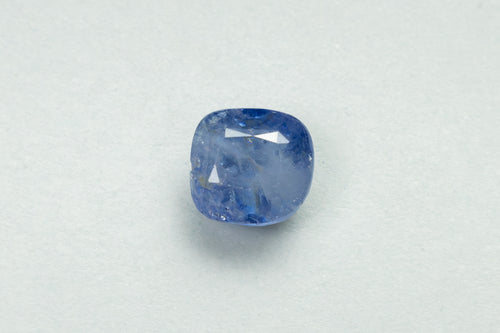


Blue sapphire, or Neelam stone, belongs to the corundum family. It scores 9 on the Mohs hardness scale, which makes it one of the hardest gemstones in the world. But "hard" doesn't mean "indestructible."
Blue sapphire is not just a gemstone. For many people in India, it is a lifelong investment – astrologically, emotionally, and financially. Whether you wear it as a Neelam stone ring prescribed by a Jyotishi or just love the deep blue colour, one thing is certain: this stone needs proper care.
You might have noticed that over time, even the most beautiful Neelam Stone can start to look dull, cloudy, or lose that deep velvet-blue shine it had when you first bought it. That's not because the stone has weakened – it's usually just dirt, oil buildup, and wrong handling. The good news? It's fixable. And preventable. Let me walk you through everything you need to know.
What Damages Blue Sapphire? (Things to Avoid First)
Before we get into cleaning, let's talk about what NOT to do. This part is just as important.
- Harsh chemicals – Bleach, chlorine, ammonia, and strong detergents can damage both the stone's surface and the metal setting. Even if the sapphire itself survives, the prongs holding it can weaken over time.
- Ultrasonic cleaners – These work fine for some gemstones, but if your blue sapphire has internal fractures or is clarity-treated, ultrasonic vibrations can worsen those fractures or even dislodge the stone from its setting.
- Steam cleaning – Heat and pressure can damage treated sapphires or loosen the setting over time.
- Rough scrubbing – Hard bristle brushes or abrasive pads can leave micro-scratches, especially if dust gets trapped underneath while scrubbing.
- Wearing it during daily chores – Soap films, chlorine in pools, sweat, lotion, and even sunscreen all leave residue on your stone over time. That's what dulls it slowly.
How to Clean Blue Sapphire Gemstone at Home
Good news – you don't need fancy equipment or professional help every time. The basic cleaning process is simple, gentle, and you can do it sitting at home.
What You'll Need
- A small bowl
- Lukewarm water (not hot)
- A few drops of mild liquid soap (basic dishwashing liquid works fine)
- A soft toothbrush or jewellery brush
- A clean, lint-free cloth

Step-by-Step Cleaning Process
Step 1 – Make a gentle soak - Fill the bowl with lukewarm water. Add 2-3 drops of mild soap and mix gently. Don't use hot water – sudden temperature changes aren't good for gemstones, especially if they have any internal characteristics.
Step 2 – Soak the ring - Place your blue sapphire ring or pendant in the solution. Let it sit for about 10 to 15 minutes. This loosens the dirt, oil, and buildup without needing any force.
Step 3 – Soft brush cleaning - Take the soft toothbrush and gently scrub around the stone and the setting. Pay extra attention to the underside of the stone – that's where oil and grime tend to collect the most, and it's the area that reduces brilliance the most because light can't pass through properly. Don't press hard. Let the brush do the work.
Step 4 – Rinse thoroughly - Rinse under room-temperature running water. Make sure all soap is gone – even mild soap residue can leave a film. Hold it carefully over the sink, or plug the drain first.
Step 5 – Dry gently - Pat dry with a clean, soft cloth. Let it air dry completely before storing or wearing again.
How to Store Blue Sapphire Properly
- Store separately – Blue sapphire is hard, but if it rubs against other hard stones like diamonds or rubies in a jewellery box, it can scratch them or get micro-chipped at the edges. Keep it in its own soft pouch.
- Avoid prolonged direct sunlight – Lighter-toned sapphires or those with surface treatments can see slight colour fading over time.
- Keep away from extreme temperatures – Don't leave it near a gas stove, in a hot car, or anywhere with sudden temperature shifts.
- Watch the humidity – If you live in a very humid area, silica gel packets in your jewellery box can protect the metal settings.
Caring for Blue Sapphire While Wearing It Daily
Most people who wear Neelam stone as an astrological remedy wear it every day. Here's how to protect it.
Remove your ring before washing hands repeatedly with soap. Take it off before cooking, cleaning, or any manual work. Apply perfumes, lotions, or hair products before wearing the ring – not after. Put the ring on last when getting ready, and take it off first when coming home.
Final Thoughts
Blue sapphire is one of the most powerful and beautiful gemstones you can own. And caring for it isn't complicated at all – it just needs a little consistency.
Gentle soap cleaning every few weeks, proper storage, removing it during rough activity, and a yearly jeweller check. That's the whole routine. If you follow this, your Neelam stone will stay as vibrant and clear as the day you bought it.

Frequently Asked Questions
Q. How often should I clean my blue sapphire gemstone?
If you wear it daily, clean it once every 2 to 3 weeks with the mild soap and soft brush method. If it's occasional wear, once a month or whenever it looks dull is perfectly fine.
Q. Does cleaning affect the astrological properties of Neelam stone?
In simple words, no. Cleaning the physical surface doesn't interfere with the stone's planetary energy. In fact, a clean and clear stone is generally considered better for astrological purposes. Some people also periodically re-energize the stone with milk or Gangajal, which is a separate practice from physical cleaning.
Q. Can I clean my blue sapphire with toothpaste?
No. Toothpaste is mildly abrasive and can leave fine scratches on the stone's surface over time. Stick to mild liquid soap and lukewarm water – it's gentler and just as effective.
Q. How do I know if my blue sapphire is real before spending time caring for it?
That's a fair question. There are plenty of synthetic and imitation stones in the market sold as natural blue sapphire. If you haven't verified your stone yet, read our detailed guide on how to identify original blue sapphire – it covers key home tests and what a gemologist actually checks.
Q. Does the type of blue sapphire affect how I care for it?
Yes, it can. Kashmir sapphires, Ceylon sapphires, and African sapphires differ in terms of treatment history and internal characteristics. Heavily treated stones need gentler handling than untreated natural ones. If you want to understand the differences before buying or to know what you already own, our guide on types of blue sapphire gemstone breaks it down clearly.
Q. I can't afford a natural blue sapphire right now. Are substitute stones easier to maintain?
Some are, some aren't. Blue topaz, iolite, and tanzanite are common substitutes used for astrological purposes – but they are softer or more heat-sensitive than sapphire, so the care routine changes. You can read about blue sapphire substitutes to understand which option works best for your situation and what care each one needs.
Q. Can I wear my blue sapphire while swimming or bathing?
It's better not to. Chlorine in swimming pools is harsh on both the stone and the metal setting. Bathing with soap repeatedly can build up a film on the stone faster than you'd expect. Take it off, keep it safe, put it back on after.