

Sulemani (Hakik)
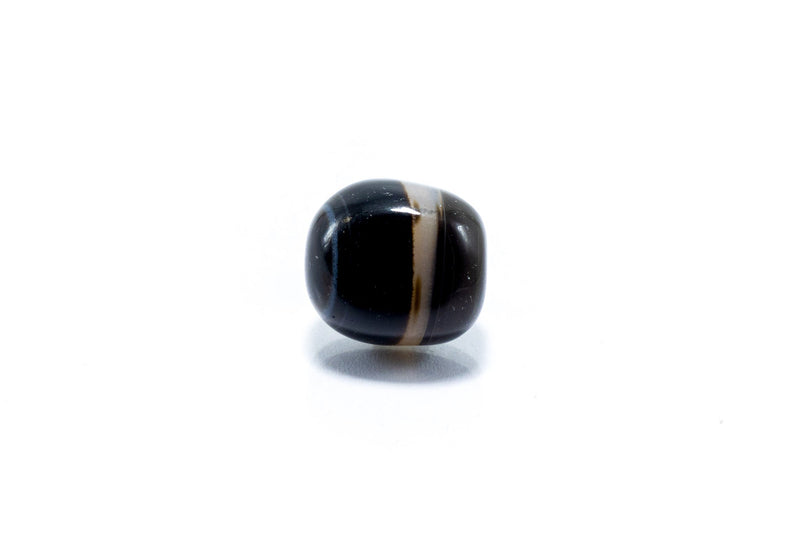
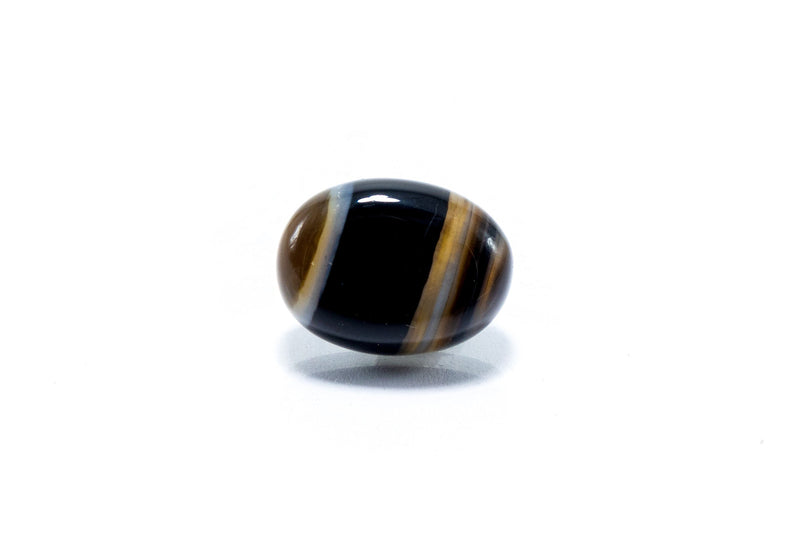
Sulemani Hakik is a naturally patterned agate gemstone admired for its earthy appearance and unique markings. It is traditionally valued for its distinctive look and spiritual significance.
Grounding & Stability | Focus | Confidence | Positive Energy

Sulemani (Hakik)
Sulemani Hakik is a naturally patterned agate gemstone admired for its earthy appearance and unique markings. It is traditionally valued for its distinctive look and spiritual significance.
Grounding & Stability | Focus | Confidence | Positive Energy
Govt. Lab Certified
IGI / IEGL Certificate (Options Available)
Free Energization
Vedic mantra se energized
100% Money-Back
If found treated, double refund
Insured Delivery
Free shipping, 2-4 days pan-India
 20% OFF
 20% OFF
 20% OFF
 20% OFF
 20% OFF
 20% OFF
 20% OFF
Need Help Choosing a Gemstone?
Have questions about a gemstone, its quality, colour, clarity or specifications? Our gemologist can help you understand the details before you buy.
About Sulemani Hakik Gemstone
Sulemani Hakik - the name alone carries weight. If you've been searching for a gemstone that's rooted equally in Vedic astrology, Islamic tradition, and ancient protective practices, this is the one that checks all three.
Known as Agate in English, the sulemani hakik stone belongs to the Chalcedony and quartz family. Its name traces back to two roots - 'Sulemani' refers to the great Prophet Sulaiman (Solomon), who was known for his wisdom, spiritual power, and command over natural forces. 'Hakik' (also spelled Hakik, Aqeeq, or Akik in different traditions) is the Arabic word for this type of agate stone. So when you put it together, you get a gemstone with centuries of reverence across cultures.
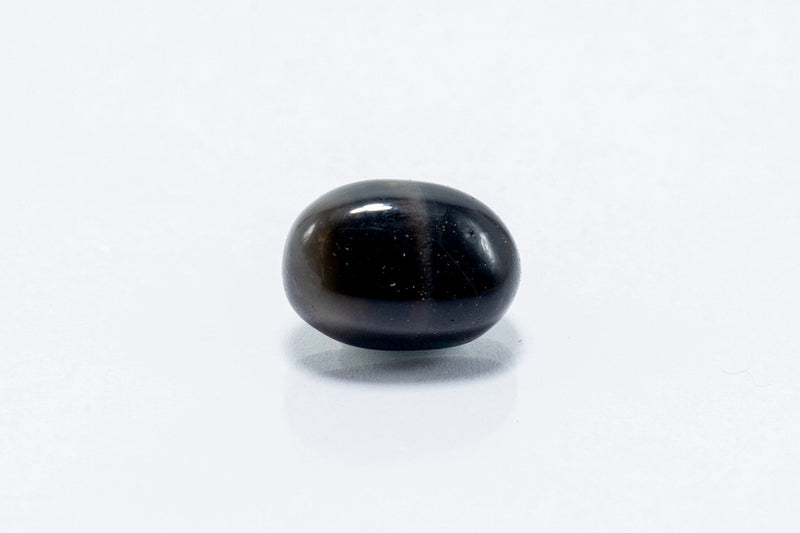
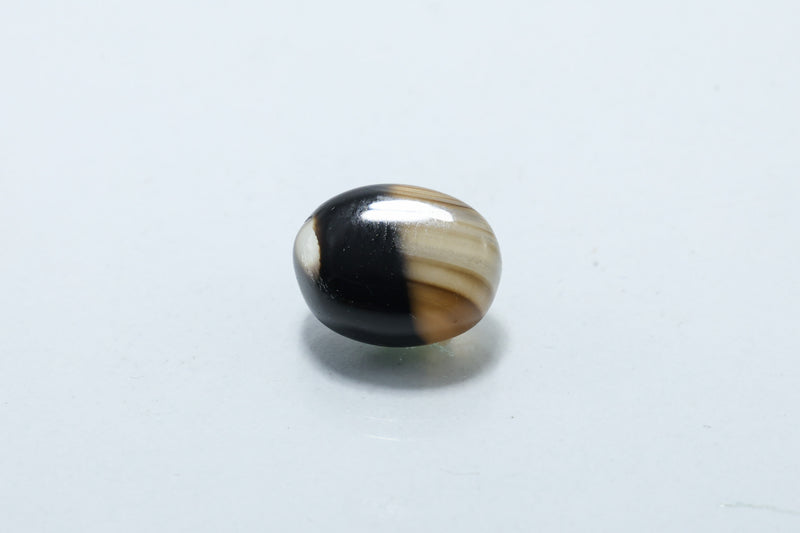
Visually, the hakik stone is distinctive - deep black or dark brown with natural white, grey, or ivory bands running through it. No two stones look exactly alike because those bands form naturally during the stone's geological creation. It's opaque, smooth when polished, and honestly just striking to look at. But the real interest, for most people who come to this stone, is what it does - not just how it looks.
The sulemani hakik stone is found in multiple regions around the world - Yemen, India, Iran, and parts of Africa. Among these, Yemeni Sulemani Hakik is considered the most prized, with the deepest color saturation and finest natural banding. Iranian hakik (Irani hakik) is also well-regarded and widely available.
In Vedic astrology, the sulemani hakik gemstone is primarily associated with Saturn (Shani), though many astrologers also link it with Rahu and Ketu - the shadow planets that govern karma, past-life influences, and sudden changes in life. As an upratna (substitute gemstone), sulemani hakik is often used in place of Hessonite (Gomed) and Cat's Eye (Lahsuniya) when those primary gems are too expensive or astrologically intense for certain individuals.
Who Should Wear Sulemani Hakik Gemstone
One of the most common questions I get about this stone is: 'Is sulemani hakik for which planet, and is it really for me?' Here's how I break it down honestly:
People with a weak or afflicted Saturn (Shani) in their birth chart. Saturn's negative placement often shows up in life as persistent obstacles, professional delays, chronic health issues, or a general feeling that things aren't moving no matter how hard you try. Sulemani hakik is a Saturn-harmonizing stone - it helps absorb Saturn's harsh energies and channel the more positive qualities: discipline, patience, and steady growth.
Those going through Sade Sati or Saturn Mahadasha/Antardasha. This is probably the most well-known recommendation. Sade Sati - the 7.5 year Saturn transit - is a period that challenges most people significantly. Many astrologers recommend sulemani hakik as a protective measure during this phase.
People with Rahu or Ketu in a malefic position. Rahu and Ketu cause sudden disruptions, karmic confusion, and in some cases, psychic disturbances. Sulemani hakik is considered one of the few stones that can help neutralize these influences without triggering the intensity that stronger gems like Hessonite sometimes do.
Capricorn and Aquarius ascendants - since both signs are ruled by Saturn, sulemani hakik is naturally compatible with these rising signs. Gemini, Virgo, Sagittarius, and Pisces individuals can also wear it when Rahu or Ketu are causing problems, but an astrologer's assessment of the full chart is important before proceeding.
People with Mars-related challenges. Some schools of Vedic astrology also link sulemani hakik to Mars (Mangal), particularly for those with Mangal Dosha or a weakened Mars in their horoscope. Aries and Scorpio natives may find this stone compatible for building courage and drive.
Beyond astrology, sulemani hakik suits:
- People who struggle with anxiety, emotional instability, or overthinking - the stone's grounding energy directly addresses these patterns.
- Business owners, entrepreneurs, and professionals in competitive fields who face pressure, jealousy, or cut-throat environments.
- Students dealing with exam stress and lack of focus.
- Anyone who feels they're frequently affected by negative energy, evil eye (nazar), or the jealousy of others.
- Spiritual practitioners, meditators, and those on a healing journey.
- Frequent travelers who want protection while on the road.
How to wear sulemani hakik
Set it in silver or panchdhatu. Wear it on the middle finger of your right hand - the middle finger is associated with Saturn and amplifies this stone's effects. Saturday morning, before sunrise, is the ideal time to wear it for the first time. Before wearing, cleanse the stone with Ganga jal, fresh milk, tulsi leaves, honey, and ghee, then chant 'Om Sham Shanicharaya Namah' 108 times. If wearing for Rahu or Ketu, the mantras 'Om Rahave Namah' or 'Om Ketave Namah' are used instead.
Minimum recommended weight is approximately 1 carat per 10 kg of body weight, though your astrologer may give a more specific recommendation based on your chart.
Benefits of Wearing Sulemani Hakik Gemstone
Let me be clear about something upfront - the sulemani hakik stone benefits that actually hold up across traditional astrology, Islamic scholarship, and practical experience are substantial. Here's what wearing an original sulemani hakik stone genuinely delivers:
- Protection from Evil Eye and Negative Energies This is the most universally recognized benefit across both Vedic and Islamic traditions. The sulemani hakik pathar creates a protective shield around the wearer's aura, absorbing harmful vibrations, evil eye (nazar), and even the effects of black magic before they reach the wearer. Many people who've been experiencing unexplained setbacks, bad luck, or constant health issues related to psychic disturbances find notable relief after wearing this stone.
- Saturn (Shani) Balancing and Karmic Healing In Vedic astrology, Saturn is the planet of karma, discipline, and life lessons. When Shani is poorly placed or actively transiting sensitive points in your chart, life can feel like an uphill battle in every direction. Sulemani hakik helps regulate Saturn's energy - not by eliminating its lessons, but by softening its harsher expressions and helping the wearer stay stable and grounded through difficult periods.
- Neutralizing Rahu and Ketu Effects The shadow planets Rahu and Ketu can cause confusion, sudden reversals, and karmic chaos when afflicted. Sulemani hakik stone is one of the more effective remedies for these planets - it grounds their chaotic energy and helps bring clarity during periods when life feels particularly unpredictable.
- Mental Clarity and Focus Sulemani hakik activates the Root Chakra, which governs our sense of stability, security, and groundedness. When the root chakra is blocked, it shows up as anxiety, indecision, restlessness, and an inability to concentrate. Wearing this stone helps clear those blockages - which is why students, professionals, and business owners find it genuinely useful for sharpening mental focus and making better decisions.
- Emotional Balance and Inner Peace Negative emotions like anger, fear, jealousy, and grief can be significantly calmed by the sulemani hakik gemstone. It doesn't suppress emotions - it helps process them. People dealing with mood swings, chronic anxiety, or emotional sensitivity often report feeling more stable and collected within weeks of wearing this stone consistently.
- Courage, Confidence, and Personal Strength In ancient traditions, this was literally called the soldier's stone. That quality hasn't changed. Wearing sulemani hakik builds the kind of inner strength that helps you handle pressure, competition, and confrontation without losing your composure. Athletes, lawyers, businesspeople, and anyone in a demanding role can benefit from this quality.
- Financial Protection and Business Success Sulemani hakik stone is frequently worn by businessmen to protect their ventures from financial losses, obstacles, and the ill-will of competitors. The stone doesn't miraculously generate wealth - but it does help clear Saturn-related obstacles that may be blocking professional progress and creates a more stable, protected energetic environment for growth.
- Physical Health Support In traditional healing, sulemani hakik has been associated with improved blood circulation, detoxification, and general vitality. It's also linked to support for respiratory issues, throat-related problems, and relief from fever. The stone's grounding energy can reduce stress-related physical symptoms like high blood pressure, insomnia, and tension headaches.
- Spiritual Growth and Enhanced Meditation The sulemani hakik stone deepens meditation practice considerably. Its grounding energy keeps the practitioner centered during inner work, while its connection to higher consciousness (via root and crown chakra activation) makes spiritual experiences more clear and manageable. Tarot readers, healers, and spiritual practitioners across traditions use it as a tool for sharper intuitive access.
- Divine Blessings (Barakah) - Islamic Significance For those who follow Islamic tradition, wearing aqeeq sulemani or sulemani hakik is a Sunnah practice - and the belief is that it attracts divine blessings, happiness, and protection. The stone is believed to create joy in the heart, protect vision, and bring the wearer closer to spiritual consciousness.
Factors That Affect the Price & Quality of Sulemani Hakik
Sulemani hakik price varies considerably depending on a handful of key factors - and if you're buying for astrological use, those factors matter more than aesthetics alone.
- Origin - The Most Critical Factor Origin is everything with this stone. Yemeni Sulemani Hakik is considered the finest and most astrologically potent in the world. Yemen-origin stones have a deep, rich color with natural banding patterns that are visually unmistakable. The original sulemani hakik stone price from Yemen will always be higher than stones from other origins - and that premium is justified.
- Irani hakik (from Iran) is the next most valued - it's widely available in India and has strong astrological acceptance. Indian sulemani hakik is more common and affordable but generally considered lower in potency compared to Yemeni or Irani varieties.
- Color and Natural Banding The classic sulemani hakik is black or very dark brown with clear, well-defined white or grey bands. The more natural and distinct the banding, the higher the quality. Stones with irregular, faint, or artificially enhanced banding are considered lower grade. Black sulemani hakik with sharp white streaks is among the most prized visually.
- Transparency and Texture Original sulemani hakik stone is either opaque or very slightly translucent - not glass-like. A properly polished stone will have a smooth, glassy surface with no artificial shine or coating. If a stone looks too perfect or suspiciously shiny, it may be synthetic or heat-treated.
- Weight and Size Larger, heavier stones naturally cost more. In Vedic astrology, gemstone weight directly relates to effectiveness - lighter stones may not carry enough energy to produce noticeable astrological results. This is why hakik pathar price scales with carat weight, and why going too cheap usually means compromising on size.
- Natural vs. Synthetic / Treated This is where most buyers get misled. Cheap dyed black agate or synthetic sulemani hakik flooded the market because the natural stone's price points allowed for economical faking. An original hakik stone will be heavier than glass, slightly cool to the touch, and won't show artificial dye bleeding if wet. Always buy certified sulemani hakik from a trusted source - a genuine certificate confirms natural origin and untreated status.
- Cut and Polish Sulemani hakik stone is most often cut into oval or round cabochons for rings and pendants, or shaped into beads for sulemani hakik mala and bracelets. The quality of the cut affects light interaction with the stone's natural banding. Flat, well-polished surfaces that show the banding clearly are higher quality than irregular or roughly finished pieces.
- Certification Certified sulemani hakik stone original always commands a premium over uncertified stones - and rightly so. Lab certification confirms that the stone is natural, untreated, and accurately identified. For astrological purposes, a certified stone is the only way to guarantee you're getting genuine energetic value.
Types of Sulemani Hakik Gemstone
Sulemani hakik is not a single-look stone - it comes in multiple color varieties and origin types, each with slightly different properties and aesthetic appeal. Here's a practical breakdown:
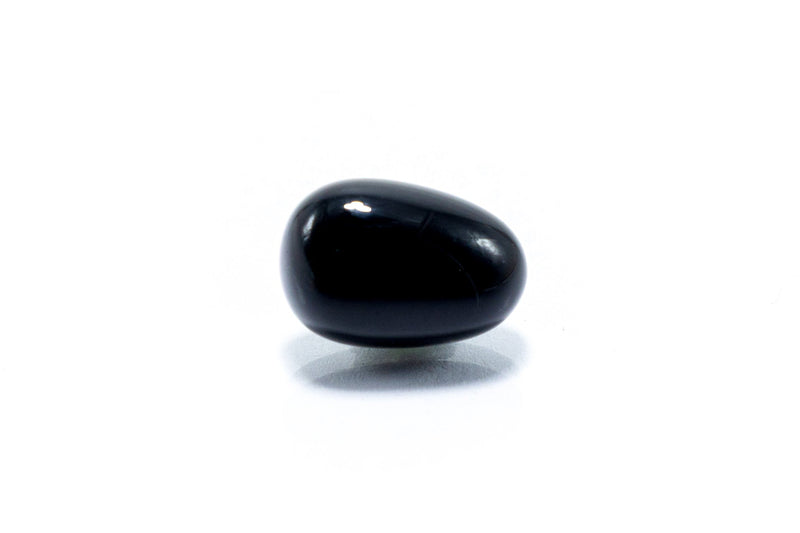
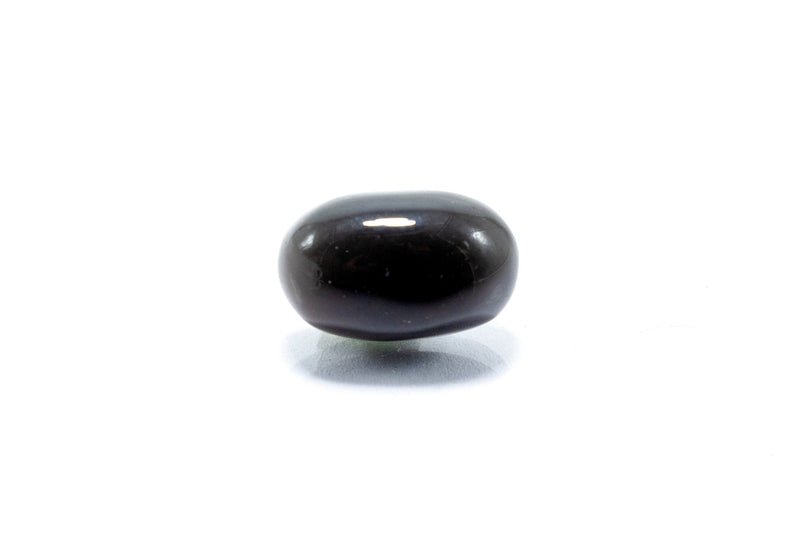
- Black Sulemani Hakik (Kala Hakik Stone) The most well-known and widely worn variety. Black sulemani hakik stone has a deep black or dark charcoal base with white, grey, or ivory natural banding. This is the go-to stone for Saturn, Rahu, and Ketu remedies in Vedic astrology. The kala hakik stone is also the strongest variety for protection from evil eye and negative energies. If someone says 'sulemani hakik' without specifying color, they usually mean this one.
- Red Sulemani Hakik (Lal Hakik Stone) Red sulemani hakik has a reddish-brown to deep red base with natural banding. In astrology, it's more associated with Mars (Mangal) energy - boosting courage, confidence, and physical vitality. It's recommended for those with Mars-related weaknesses or for people in competitive fields who need assertiveness and drive. Red hakik stone is less common than black variety and slightly harder to source in genuine quality.
- Yellow Sulemani Hakik (Sunehra Hakik) Yellow sulemani hakik has a warm amber to golden-yellow tone. It's associated with prosperity, optimism, and mental clarity. Less commonly prescribed for specific planetary remedies, but used frequently in healing practices for boosting confidence and attracting positive energy.
- Green Sulemani Hakik Green sulemani hakik connects to heart chakra healing, emotional wellbeing, and growth. It's used in healing practices for emotional recovery, fertility-related concerns, and building a more compassionate inner state. Green variety is rarer than black and not as commonly stocked.
- Blue Sulemani Hakik Blue sulemani hakik aligns with the Throat Chakra - making it particularly useful for people who struggle with communication, self-expression, or speaking their truth. It's recommended for orators, teachers, and those who deal with blocked self-expression. Also used for stress relief and calming anxious thought patterns.
- White Sulemani Hakik (Safed Sulemani) White or near-white sulemani hakik is associated with purity, clarity, and mental peace. Safed sulemani hakik is sometimes worn by those seeking clarity during confused or transitional life phases. It's softer in energy compared to black variety - less about protection, more about inner calm.
- Yamini Hakik Yamini hakik is a specific and somewhat rare variety in the sulemani family. It's known for distinctive, more complex banding patterns and is associated with heightened spiritual protection and psychic shielding. Yamini hakik stone is prized among practitioners of Tantric and spiritual disciplines for its potency in energy work. Yamini hakik stone price is generally higher than standard black varieties due to its rarity.
- Cat's Eye Sulemani (Sulemani Cat's Eye) A rare variety showing a chatoyancy effect - the stone appears to have a thin line of light moving across its surface when turned under a light source, similar to a cat's eye. Sulemani cat's eye is particularly powerful for protection and warding off the evil eye. It bridges the properties of standard sulemani hakik and the powerful cat's eye gemstone, making it a notable choice in spiritual protection work.
Origin-Based Types:
- Yemeni Sulemani Hakik: Finest quality, deepest color, highest astrological value, premium pricing.
- Irani Sulemani Hakik (Irani Hakik): Strong quality, widely available in India, good astrological acceptance.
- Indian Sulemani Hakik: More affordable, broader availability, lower planetary potency compared to Yemeni/Irani.
- Arabic Sulemani Hakik: Often used interchangeably with Yemeni but sometimes refers to broader Middle Eastern origin stones.