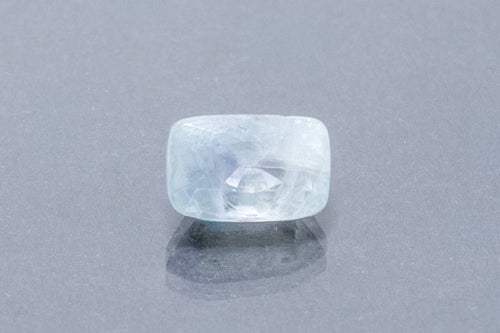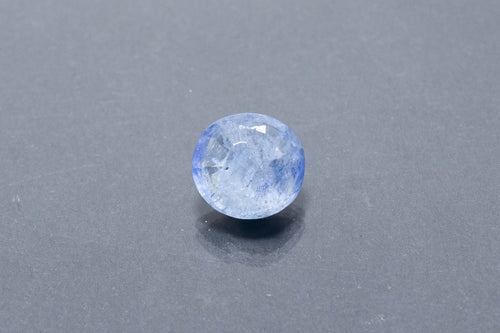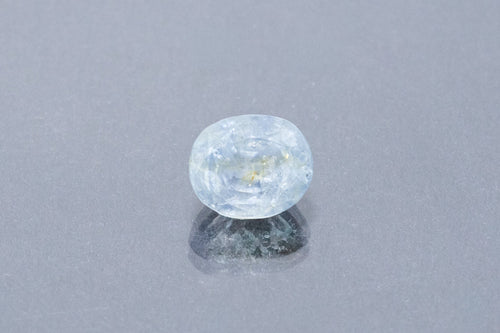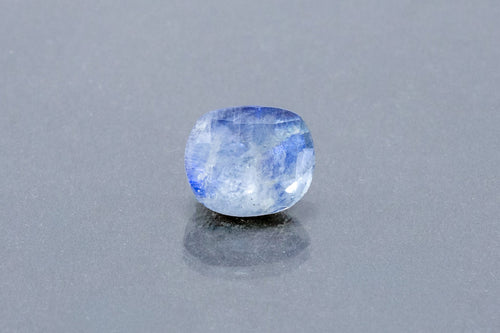


The quality of a Blue Sapphire (Neelam) is determined by six main factors: colour, clarity, cut, carat weight, origin, and treatment — with colour being the single most important factor, since a rich, evenly saturated blue almost always outweighs a larger but dull-coloured stone. A high-quality Neelam should also come with a gemological certificate confirming it's natural and untreated, since that's the only reliable way to verify these qualities rather than relying on appearance alone.
I've handled enough Blue Sapphires over the years to say this confidently: two stones can look nearly identical to an untrained eye and still be worlds apart in value, simply because of how these six factors stack up. Let's go through each one properly.
Colour: The Most Important Quality Factor

Colour carries more weight in valuing a Blue Sapphire than any other factor. The finest stones show a rich, velvety blue known as "Royal Blue," with strong, even saturation and no greyish undertone. A slightly softer, brighter shade called "Cornflower Blue" is also highly valued.
A stone that's too dark tends to look lifeless and almost black in low light, while one that's too pale lacks the intensity that makes a Neelam desirable in the first place. The colour should also stay consistent across the entire stone — patchy or uneven colouring is a sign of lower quality, regardless of how deep the overall tone looks at first glance.
Also Read: How to care Blue sapphire gemstone
Clarity: What Inclusions Tell You

Unlike diamonds, where flawless clarity is prized above everything else, natural Blue Sapphires almost always contain some internal inclusions — and that's actually a good sign, since it points to natural origin rather than lab creation. A good-quality stone is "eye-clean," meaning any inclusions aren't visible to the naked eye, even if they show up under magnification.
Heavy, cloudy inclusions that reduce transparency will lower a stone's value and brilliance. On the flip side, a completely inclusion-free Blue Sapphire, especially at a suspiciously low price, is more likely to be synthetic or glass-filled than exceptionally rare.
Cut: Shaping Brilliance and Symmetry

Since sapphires don't form in finished shapes, cutting and polishing play a major role in how much brilliance a stone shows. A well-cut Neelam has symmetrical, well-proportioned facets that reflect light evenly, giving it a lively, vibrant appearance. A poorly cut stone often looks flat or shows "windowing" — a see-through patch where light passes straight through instead of reflecting back.
Oval, cushion, and round are the most commonly preferred cuts for Blue Sapphire, largely because they tend to preserve colour and brilliance better than more unusual shapes. A skilled cutter will often prioritise colour and light performance over squeezing out maximum carat weight, which is exactly why a smaller, well-cut stone can sometimes outshine a larger, poorly cut one.
Also Read: How to identify original Blue Sapphire
Carat Weight: Bigger Isn't Automatically Better
Carat weight refers to the size of the stone, but it should never be judged on its own. A large Blue Sapphire with poor colour or heavy inclusions is worth far less than a smaller stone with excellent colour and clarity. For astrological purposes, a weight of around 3 to 5.25 carats is commonly recommended, though the ideal weight for you should be based on your birth chart rather than simply choosing the largest available option. Stones above 5.25 carats with strong colour are considerably rarer and more valuable, since fine-quality rough of that size is genuinely difficult to source.
Origin: Where the Stone Comes From Matters

Origin has a real impact on both value and reputation, since different mining regions consistently produce sapphires with distinct characteristics. Kashmir Sapphires are historically considered the finest, known for a soft, velvety blue, but genuine Kashmir stones are now extremely rare and command very high prices.
Ceylon (Sri Lankan) Sapphires are widely regarded as the top-tier option available today, prized for their bright, even colour and good clarity, which is why Ceylon Neelam is the most commonly recommended origin for astrological purposes. Burmese sapphires are valued for their deep, rich blue tones, while stones from Thailand and Madagascar are more commonly available and generally more affordable.
Also Read: Types of Blue Sapphire Gemstone
Treatment: Natural vs Heated vs Synthetic
This is where quality and authenticity overlap. Most sapphires on the market today are heat-treated to improve colour and clarity — an industry-accepted practice for jewellery, but one that lowers value compared to untreated stones and, in traditional Vedic belief, is considered to reduce or eliminate the stone's astrological effectiveness.
Natural, untreated sapphires hold the highest value and are considered the only type suitable for genuine astrological use. Synthetic or lab-created sapphires may look chemically similar, but they're significantly cheaper and are not believed to carry any planetary energy in Vedic tradition.
Why Certification Matters More Than Appearance
Because colour, clarity, origin, and treatment can be difficult to judge accurately by eye — even for experienced buyers — a certificate from a recognised gemological laboratory is the only reliable way to confirm what you're actually paying for. A proper certificate should clearly state whether the stone is natural or treated, along with its origin and key quality characteristics, so you're not relying on guesswork or a seller's word alone.
Also Read: Types of Inclusions in Sapphire
Final Thoughts
A genuinely high-quality Blue Sapphire comes down to a combination of factors, not just one impressive number. Rich, even colour, reasonable clarity, a well-executed cut, a suitable carat weight, a respected origin, and — most importantly — natural, untreated status together determine whether a Neelam is worth its price and capable of delivering what it's bought for. When in doubt, let a certificate do the talking rather than relying on how a stone looks under a shop light.

FAQs
Q1. What determines the quality of a Blue Sapphire?
Blue Sapphire quality is determined by six main factors: colour, clarity, cut, carat weight, origin, and treatment, with colour generally considered the most important.
Q2. What is the best colour for a Blue Sapphire?
Royal Blue and Cornflower Blue are considered the most valuable colours, showing rich, even saturation without being too dark or too pale.
Q3. Does a Blue Sapphire need to be flawless to be high quality?
No, natural Blue Sapphires typically contain minor inclusions, which is actually a sign of natural origin. A completely flawless stone can sometimes indicate synthetic origin.
Q4. Which origin of Blue Sapphire is considered the best?
Kashmir Sapphires are historically regarded as the finest but are extremely rare today, making Ceylon (Sri Lankan) Sapphires the most commonly recommended high-quality option.
Q5. Does heat treatment affect Blue Sapphire quality?
Yes, heat treatment can improve a sapphire's appearance but generally lowers its value compared to natural, untreated stones, and is traditionally considered less effective for astrological purposes.
Q6. Is a bigger Blue Sapphire always better quality?
No, carat weight alone doesn't determine quality. A smaller stone with excellent colour and clarity is often more valuable than a larger one with poor colour or heavy inclusions.
Q7. How can I verify the quality of a Blue Sapphire before buying?
The most reliable way is to check for a certificate from a recognised gemological laboratory, which confirms the stone's natural or treated status, origin, and quality characteristics.