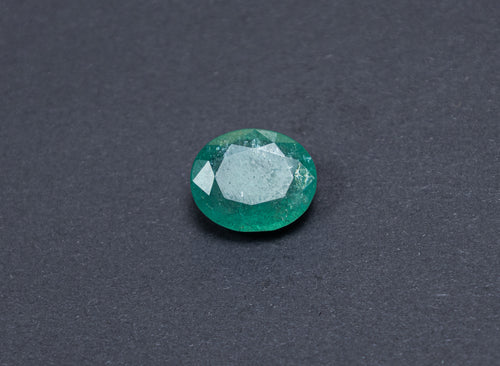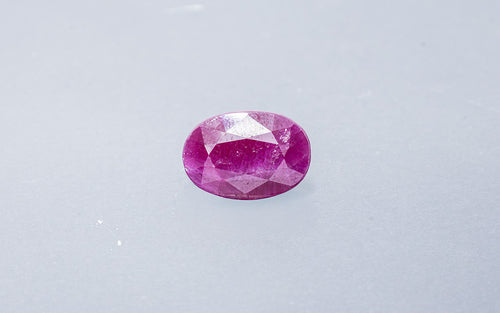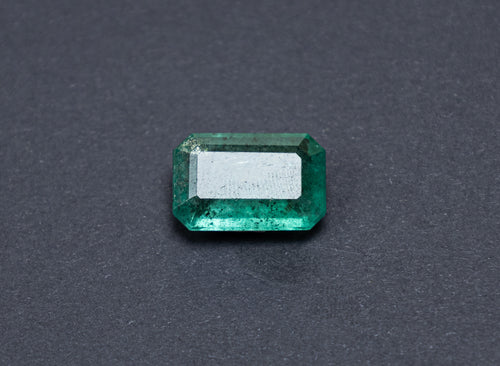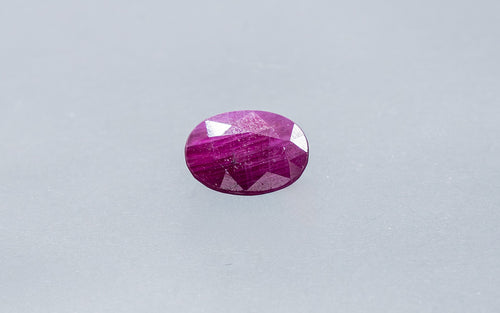


Ruby and Emerald are both precious gemstones, but they come from entirely different mineral families and serve very different purposes — Ruby is a red variety of corundum, prized for its hardness and fiery colour, while Emerald is a green variety of beryl, valued for its rich colour despite being naturally more included and delicate.
In Vedic astrology, the difference matters even more: Ruby is linked to the Sun and worn for confidence and leadership, while Emerald is linked to Mercury and worn for intellect and communication — so choosing between them isn't just about which one looks better, it depends on what you actually need the stone for.
Also Read: Yellow Sapphire vs Yellow Topaz
Mineral Composition and Origin
Ruby belongs to the corundum family — the same mineral group as sapphire — and gets its red colour from traces of chromium. Emerald, on the other hand, belongs to the beryl family and owes its green colour to traces of chromium and vanadium in a completely different crystal structure.
| Parameter | Ruby | Emerald |
|---|---|---|
| Mineral Family | Corundum | Beryl |
| Colouring Element | Chromium | Chromium and/or vanadium |
| Major Sources | Myanmar (Burma), Mozambique, Thailand | Colombia, Zambia, Brazil |
| Most Prized Origin | Burmese "pigeon blood" red | Colombian emerald |
Also Read: Yellow Sapphire vs Citrine
Hardness and Durability
This is one of the biggest practical differences between the two. Ruby scores 9 on the Mohs hardness scale, making it one of the toughest gemstones after diamond, and genuinely suitable for daily wear. Emerald, by comparison, scores 7.5 to 8, and its natural inclusions make it more prone to chipping or fracturing under impact — which is why emerald jewellery generally needs more careful handling than ruby.
| Parameter | Ruby | Emerald |
|---|---|---|
| Mohs Hardness | 9 | 7.5–8 |
| Everyday Wearability | Excellent, highly scratch-resistant | Good, but needs more careful handling |
| Risk of Chipping | Low | Higher, due to natural inclusions |
Also Read: Garnet vs Ruby
Clarity and Inclusions
Clarity expectations are almost opposite for these two stones. In Ruby, visible inclusions generally lower value, and eye-clean stones are considered exceptional. In Emerald, inclusions are so common that the trade has a specific term for them — "jardin," French for garden, referring to the moss-like internal patterns nearly every natural emerald stone shows. A completely flawless emerald is rare enough to raise suspicion of treatment or synthetic origin, whereas the same is true in reverse for rubies at the very high end.
Treatment Practices
Both stones are commonly treated, but in different ways. Rubies are frequently heat-treated to improve colour and clarity, and in some cases glass-filled to mask fractures — a treatment that significantly reduces value if not disclosed. Emeralds are almost universally oiled, meaning natural or synthetic oils are used to fill surface-reaching fractures and improve apparent clarity — a practice so widespread it's considered standard and accepted in the trade, as long as it's disclosed.
| Treatment | Ruby | Emerald |
|---|---|---|
| Common Treatment | Heat treatment (color/clarity); occasionally glass-filling | Oiling (standard, trade-accepted) |
| Effect on Value | Untreated stones command significantly higher prices | Lightly oiled stones are standard; heavy resin filling reduces value |
Also Read: Ruby vs Pink Sapphire
Price Comparison
Generally speaking, fine-quality untreated Ruby tends to command higher prices per carat than Emerald of similar size and quality, largely due to rarity and durability. That said, exceptional Colombian emeralds can rival or even exceed ruby prices at the very top end of the market. Ultimately, price for both comes down to a combination of colour, clarity, carat weight, origin, and treatment — origin and treatment status especially, since a certificate confirming these details can swing value dramatically.
Final Thoughts
Ruby and Emerald may both belong to the world's most precious gemstone category, but they come from different mineral families, behave differently in daily wear, and serve different astrological purposes. Ruby offers strength, durability, and a connection to the Sun's confidence and leadership qualities; Emerald offers striking colour, natural character, and a connection to Mercury's clarity and intellect. The right choice ultimately depends on whether you're buying for beauty, durability, investment, or astrological need.

FAQs
Q1. What is the main difference between Ruby and Emerald?
Ruby is a red variety of corundum known for its hardness and durability, while Emerald is a green variety of beryl known for its rich colour but higher tendency to include natural inclusions.
Q2. Which is more durable, Ruby or Emerald?
Ruby is more durable, scoring 9 on the Mohs hardness scale compared to Emerald's 7.5 to 8, making Ruby better suited for everyday wear.
Q3. Why do Emeralds have more inclusions than Rubies?
Emeralds naturally form with internal inclusions, often called "jardin," due to their crystal structure, whereas Rubies are generally valued more highly when they're eye-clean.
Q4. Is Ruby more expensive than Emerald?
Generally, fine-quality untreated Ruby commands higher prices per carat than Emerald, though exceptional Colombian Emeralds can match or exceed Ruby prices at the top end of the market.
Q5. Which planet is Ruby associated with in astrology, and which is Emerald?
Ruby is associated with the Sun and is linked to confidence and leadership, while Emerald is associated with Mercury and is linked to communication and intellect.
Q6. Can Ruby and Emerald be worn together?
Since the Sun and Mercury aren't always considered strongly compatible in Vedic astrology, wearing Ruby and Emerald together is generally something to confirm with an astrologer rather than assuming it works.
Q7. Is oiling in Emeralds considered acceptable?
Yes, light oiling to fill surface-reaching fractures is a widely accepted and standard practice in the Emerald trade, as long as it's disclosed to the buyer.